

When individuals trust a nonprofit, they expect it to act responsibly and with care. However, negligence can occur, leading to harm or loss. This situation raises the question: Can you hold a nonprofit accountable? If someone suffers due to a nonprofit’s careless actions, it may be possible to take legal action. Understanding the reasons behind this can empower individuals to seek justice.
- Negligence Defined: Learn what negligence means in the context of nonprofits.
- Application of Negligence: Discover how negligence specifically affects nonprofit organizations.
- Duty of Care: Understand the responsibilities nonprofits must uphold.
- Real-Life Examples: See how negligence has impacted individuals in various cases.
- Legal Steps: Know what actions to consider if faced with negligence from a nonprofit.
Understanding Negligence in Nonprofits
Negligence refers to a failure to exercise reasonable care, resulting in harm to another person. In the world of nonprofits, this concept is crucial. Nonprofits have a duty to protect their clients, volunteers, and the public. When they fail to meet this duty, they can be held liable for any damages that arise.
For example, if a nonprofit fails to maintain safe conditions at an event, and someone gets injured, that nonprofit may be considered negligent. Understanding this definition helps clarify when and why a nonprofit might be sued for negligence.
What is Negligence?
Negligence occurs when someone does not act as a reasonable person would in a similar situation. This lack of action can lead to accidents or injuries. To prove negligence, one must show four key elements: duty, breach, causation, and damages.
In the nonprofit sector, these elements are essential. For instance, if a nonprofit organization promises to provide safe environments but fails to do so, they breach their duty of care. This breach can lead to serious consequences, making it vital for nonprofits to understand their responsibilities.
How Does Negligence Apply to Nonprofits?
Negligence applies to nonprofits in various ways. First, they have a legal obligation to ensure safety for everyone involved. This includes staff, volunteers, and those they serve. If a nonprofit ignores this duty, they risk being sued.
Moreover, nonprofits must also manage their funds appropriately and provide adequate training for their staff. Failing in these areas can lead to negligence claims. For example, if a nonprofit misuses donations and causes harm, they could face legal repercussions.
Understanding how negligence applies within the nonprofit context is crucial for both organizations and those they serve. It empowers individuals to seek justice when necessary.
Reason 1: Duty of Care
Every nonprofit has a duty of care to those it serves. This means they must act in the best interest of their clients, volunteers, and the community. The duty of care requires nonprofits to take reasonable steps to prevent harm. When they fail to meet this obligation, it can lead to serious consequences. Understanding this duty is vital for both organizations and individuals who rely on their services.

Explanation of Duty of Care
The duty of care refers to the legal obligation to ensure the safety and well-being of others. In the nonprofit sector, this means providing a safe environment and acting responsibly. For instance, a nonprofit that runs a youth program must ensure that all activities are supervised and safe. If an organization neglects this responsibility, it breaches its duty of care.
This duty not only applies to physical safety but also encompasses emotional and financial well-being. Nonprofits must handle funds responsibly and treat clients with respect. If they fail in any of these areas, they may be held accountable for negligence.
Examples of Breach of Duty
Breaches of duty can occur in various ways within nonprofits. Here are some clear examples:
Unsafe Conditions: If a nonprofit hosts an event without proper safety measures, and someone gets injured, that’s a breach.
Poor Training: If staff members are not adequately trained and make mistakes that harm clients, the organization is liable.
Mismanagement of Funds: Using donations for personal gain or failing to allocate funds properly can lead to significant issues.
These examples highlight how critical it is for nonprofits to uphold their duty of care. Neglecting this responsibility can result in legal action and damage to their reputation.
Reason 2: Failure to Maintain Safe Conditions
Maintaining safe conditions is essential for nonprofits to protect everyone involved. When a nonprofit fails to provide a safe environment, it can lead to accidents and injuries. This negligence not only affects individuals but can also damage the organization’s reputation. Understanding the importance of safety helps nonprofits prioritize the well-being of their clients and staff.
Importance of Safety in Nonprofits
Safety in nonprofits is crucial for building trust with clients and the community. When individuals feel safe, they are more likely to engage and participate in programs. Nonprofits must conduct regular safety checks and ensure that facilities meet health standards.
For example, a shelter must provide secure sleeping areas and proper sanitation. If safety measures are neglected, the nonprofit risks harm to its clients and potential legal action. Prioritizing safety not only protects individuals but also enhances the organization’s credibility and effectiveness.
Real-Life Cases of Unsafe Conditions
There have been numerous instances where nonprofits faced consequences due to unsafe conditions. One notable case involved a community center that did not repair broken steps, leading to a visitor’s injury. The injured party successfully sued the nonprofit for negligence, highlighting the importance of maintaining safe environments.
Another example involves a nonprofit that failed to provide adequate safety training for volunteers handling food. This oversight resulted in several people getting sick from improperly stored meals. Such cases serve as reminders that nonprofits must take safety seriously to avoid legal repercussions and protect those they serve.
Reason 3: Inadequate Training for Staff
Inadequate training for staff can lead to serious issues within nonprofits. When employees and volunteers are not properly trained, they may make mistakes that harm clients or the organization itself. This negligence can result in legal action against the nonprofit. Ensuring that all staff receive appropriate training is essential for maintaining a safe and effective environment.
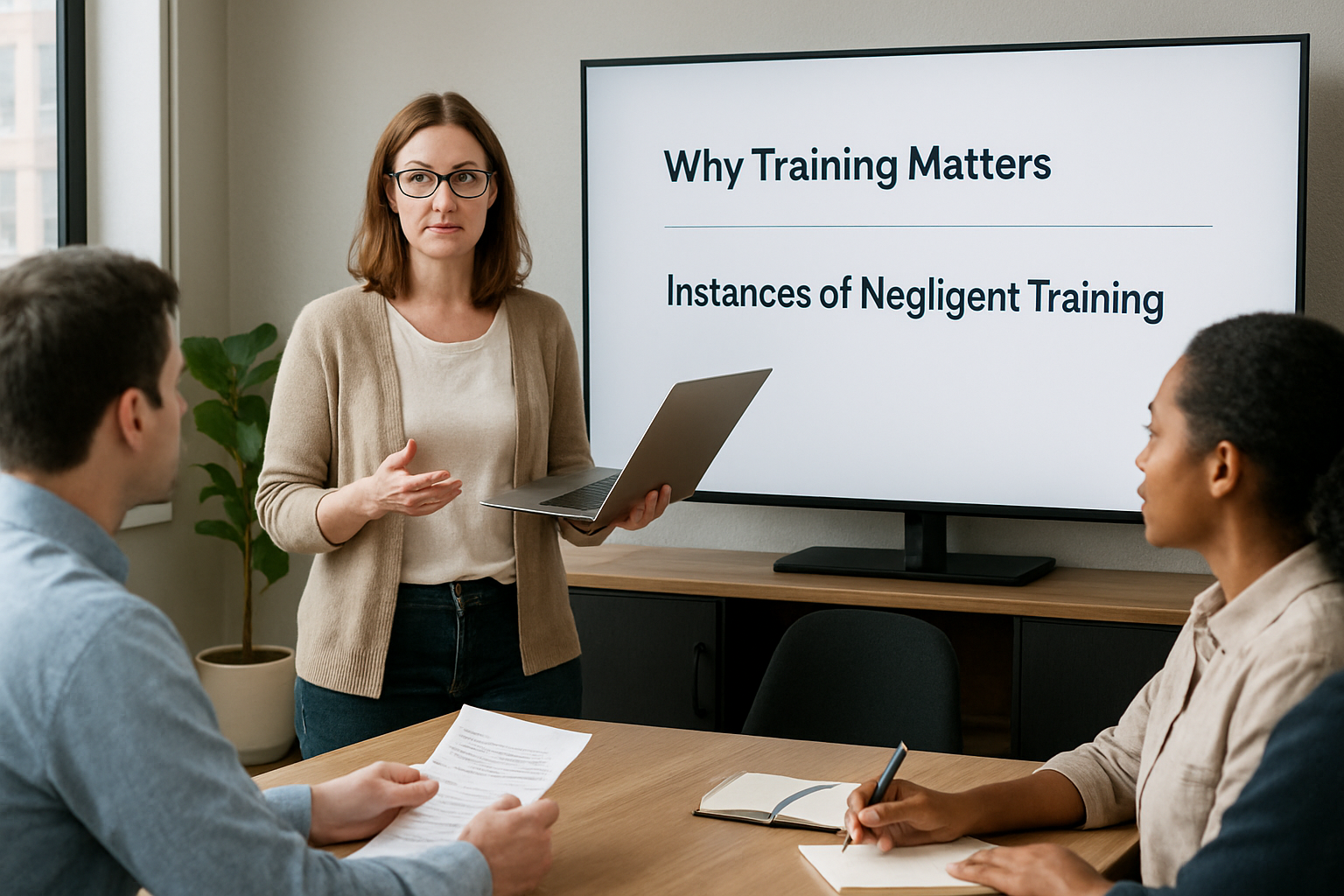
Why Training Matters
Training is vital for nonprofit staff to perform their duties effectively. Proper training equips employees with the skills and knowledge needed to handle various situations safely. For example, staff working with vulnerable populations must understand how to respond to emergencies and provide support appropriately.
When nonprofits invest in training, they reduce the risk of accidents and enhance overall service quality. Additionally, well-trained staff contribute to a positive atmosphere, fostering trust and engagement with clients. Neglecting training can lead to costly mistakes and damage the organization’s reputation.
Instances of Negligent Training
Negligent training can manifest in several ways. One example is a nonprofit that provides inadequate first aid training for its volunteers. If a volunteer encounters a medical emergency and does not know how to respond, it could lead to serious harm or even fatalities.
Another instance involves staff at a nonprofit that works with children. If they are not trained in child safety and protection policies, they may inadvertently expose children to risks. These examples highlight the critical need for comprehensive training programs. Without proper training, nonprofits may face significant legal and ethical challenges.
Reason 4: Mismanagement of Funds
Mismanagement of funds is a serious issue that can lead to negligence claims against nonprofits. When organizations fail to handle their finances properly, they risk harming their clients and undermining their mission. This mismanagement can result in legal repercussions, loss of donor trust, and damage to the organization’s reputation. Understanding how financial practices impact nonprofits is crucial for maintaining accountability.
How Financial Mismanagement Can Lead to Negligence
Financial mismanagement occurs when a nonprofit does not allocate its resources effectively. This can include spending donations on inappropriate expenses or failing to properly budget for essential services. When funds are mismanaged, it can directly affect the quality of services provided.
For example, if a nonprofit uses funds meant for community programs on administrative costs, it may not be able to offer necessary support. This can lead to a breach of duty, as the organization fails to fulfill its commitment to serve the community. Legal action may follow if clients or donors feel misled or harmed by these financial decisions.
Examples of Fund Misuse
There are several notable examples of fund misuse within nonprofits. One case involved a nonprofit that diverted donations intended for educational programs to pay for lavish staff retreats. When this misuse came to light, the organization faced backlash from supporters and legal scrutiny.
Another example is a nonprofit that failed to report financial discrepancies, leading to significant losses. When an audit revealed the mismanagement, the organization faced lawsuits from donors seeking restitution. These cases illustrate the importance of transparent financial practices. Nonprofits must prioritize proper fund management to avoid legal issues and maintain public trust.
Reason 5: Lack of Proper Oversight
Proper oversight is essential for nonprofits to ensure that they operate effectively and ethically. Without adequate oversight, organizations can fall into negligence, leading to harmful consequences for clients and staff. This lack of accountability can result in legal challenges and damage the nonprofit’s reputation. Understanding the role of oversight is crucial for maintaining the integrity of nonprofit operations.

The Role of Oversight in Nonprofits
Oversight involves monitoring and evaluating the activities of a nonprofit to ensure compliance with laws and regulations. It includes reviewing financial practices, program effectiveness, and adherence to ethical standards. Effective oversight helps prevent fraud, mismanagement, and negligence.
Board members play a critical role in this process by providing guidance and ensuring that the organization meets its goals. Additionally, regular audits and evaluations help identify potential issues before they escalate. By prioritizing oversight, nonprofits can maintain transparency and accountability, fostering trust among donors and clients.
Consequences of Insufficient Oversight
Insufficient oversight can lead to severe consequences for nonprofits. One major issue is the potential for fraud or misuse of funds. For instance, without proper checks and balances, an employee might embezzle donations, harming the organization’s finances and reputation.
Another consequence is the failure to meet legal and regulatory requirements. If a nonprofit does not adhere to these standards, it may face penalties or loss of tax-exempt status. Real-world examples demonstrate that lack of oversight can lead to lawsuits and public outcry, emphasizing the need for robust governance structures. Nonprofits must implement strong oversight practices to protect their mission and stakeholders.
Conclusion: Taking Action Against Negligence
When negligence occurs within a nonprofit, it’s essential for affected individuals to know their options. Taking action can help hold the organization accountable and prevent future harm. Understanding the steps involved in pursuing a claim is crucial for anyone considering legal action against a nonprofit.
Steps to Consider When Suing a Nonprofit for Negligence
If someone decides to sue a nonprofit for negligence, there are several steps to follow:
Gather Evidence: Collect all relevant documents, photos, and witness statements that support the claim.
Document Damages: Keep records of any injuries or losses incurred due to the nonprofit’s negligence. This can include medical bills or lost wages.
Consult an Attorney: Seek legal advice from a professional experienced in nonprofit law. They can provide guidance on the best course of action.
Send a Demand Letter: Before filing a lawsuit, consider sending a demand letter outlining the claim and seeking compensation.
File the Lawsuit: If necessary, proceed with filing a lawsuit in the appropriate court.
Following these steps can help ensure that the case is handled properly and effectively.
Seeking Legal Advice
Seeking legal advice is crucial when considering a lawsuit against a nonprofit for negligence. An attorney can clarify the complexities of nonprofit laws and help navigate the legal process. They can assess the strength of the case and provide guidance on potential outcomes.
Additionally, legal professionals can assist in negotiating with the nonprofit before escalating to a lawsuit. Many nonprofits may prefer to settle claims out of court to avoid negative publicity. Engaging a knowledgeable attorney increases the chances of achieving a favorable resolution while protecting the rights of the affected individual.
FAQ
Is it possible to sue a non-profit organization?
Yes, it is possible to sue a nonprofit organization. Nonprofits are not immune to legal action and can be held accountable for negligence or misconduct. If someone suffers harm due to the nonprofit’s actions or inactions, they may have grounds for a lawsuit. It’s essential to gather evidence and consult with an attorney who specializes in nonprofit law to understand the best approach.
Who is legally accountable for a nonprofit organization’s actions?
Legally, the board of directors and the executive staff of a nonprofit organization are accountable for its actions. They are responsible for ensuring that the organization operates within legal guidelines and adheres to its mission. If negligence or mismanagement occurs, these individuals may face legal consequences. Understanding the roles and responsibilities of those in leadership positions is crucial for holding the organization accountable.
What is the 33% rule for nonprofits?
The 33% rule refers to a guideline that suggests nonprofits should spend at least one-third of their total expenses on program services. This rule helps ensure that funds are allocated effectively, maximizing the impact of donations. By adhering to this guideline, nonprofits can demonstrate their commitment to fulfilling their mission and serving their community.
What is the 49 rule on nonprofits?
The 49 rule states that a nonprofit organization should not spend more than 49% of its total expenses on administrative costs. This guideline encourages nonprofits to maintain a balance between operational expenses and the funds directed toward programs and services. By keeping administrative costs below this threshold, nonprofits can reassure donors that their contributions are being used effectively to support the organization’s mission.
Understanding these rules helps nonprofits maintain transparency and accountability, which is vital for building trust with donors and the community.