

A well-crafted non profit organization employee handbook is crucial for any nonprofit aiming for success. It acts as a roadmap for employees, outlining expectations, policies, and benefits. Without it, confusion can arise, leading to misunderstandings and a lack of direction. This can create a chaotic work environment where employees feel lost and unsupported. By providing clear guidelines, organizations can foster a positive culture that promotes teamwork and accountability.
Here’s what you’ll learn in this post:
- The significance of having a structured handbook.
- Key tips for defining roles and responsibilities.
- Importance of conduct and behavior policies.
- How to outline benefits and compensation effectively.
- Establishing clear communication channels.
- Providing training and development opportunities.
- Ensuring compliance with legal requirements.
- The necessity of regularly updating the handbook.
Understanding the Importance of a Non Profit Organization Employee Handbook
A non profit organization employee handbook serves as an essential tool for guiding staff and volunteers. It sets the tone for workplace culture and clarifies organizational values. When employees know what to expect, they can focus on their tasks rather than navigating uncertainties. This clarity helps reduce conflicts and enhances job satisfaction.
Moreover, a comprehensive handbook aids in onboarding new team members. It provides them with the information they need to integrate smoothly into the organization. As noted by nonprofit consultant Sarah Johnson, “A good handbook is like a map; it shows everyone where they fit in.” By investing time in creating a solid handbook, nonprofits can build a strong foundation for success.

Tip 1: Define Clear Roles and Responsibilities
Defining clear roles and responsibilities is vital for any nonprofit’s success. When employees understand their specific duties, they can work more efficiently and effectively. This clarity minimizes confusion and helps team members collaborate better. A well-structured organization thrives on knowing who does what, leading to increased productivity and morale.
In the words of nonprofit leader Mark Thompson, “When everyone knows their role, the whole team shines.” By establishing clear expectations, nonprofits can create a focused work environment where individuals feel empowered to contribute meaningfully. This lays the groundwork for achieving organizational goals and fulfilling the mission.
Importance of Clarity in Job Descriptions
Having clear job descriptions is essential for setting expectations. They help employees understand their tasks and how their work fits into the larger mission. Without clarity, employees may feel overwhelmed or unsure about their contributions. This can lead to frustration and decreased motivation.
Additionally, well-defined job descriptions serve as a reference point for performance evaluations. They allow supervisors to provide constructive feedback based on specific criteria. According to HR expert Lisa Martinez, “Clarity in job descriptions not only boosts employee confidence but also enhances overall performance.” When everyone knows their responsibilities, the organization can function smoothly.
Examples of Effective Job Descriptions
Effective job descriptions are detailed yet concise. They should outline key responsibilities, required skills, and reporting relationships. For instance:
- Program Coordinator:
- Organize and implement community outreach programs.
- Collaborate with volunteers and staff to achieve program goals.
- Report to the Executive Director.
- Fundraising Manager:
- Develop and execute fundraising strategies.
- Manage donor relationships and track contributions.
- Supervise fundraising events and campaigns.
- Communications Specialist:
- Create content for newsletters, social media, and press releases.
- Maintain the organization’s website and online presence.
- Work closely with the marketing team to enhance visibility.
These examples illustrate how clear job descriptions can guide employees in their roles. By defining expectations, nonprofits can foster a more organized and productive workplace.

Tip 2: Include Policies on Conduct and Behavior
Including policies on conduct and behavior is crucial for maintaining a healthy workplace culture. These policies set standards for how employees should interact with one another and represent the organization. When everyone understands what is acceptable, it fosters respect and professionalism among staff. Clear guidelines help prevent conflicts and ensure that all team members feel safe and valued.
As nonprofit consultant Emily Carter states, “A positive work environment thrives on mutual respect and clear expectations.” By establishing conduct policies, organizations can create a space where everyone can contribute positively and feel supported in their roles.
Creating a Positive Work Environment
Creating a positive work environment starts with clear conduct policies. These should promote respect, inclusivity, and collaboration. Encouraging open communication and teamwork helps build trust among employees. When individuals feel comfortable sharing ideas and concerns, it leads to better problem-solving and innovation.
Additionally, recognizing and rewarding positive behavior reinforces a supportive atmosphere. For example, implementing peer recognition programs can boost morale and foster camaraderie. By prioritizing a positive work culture, nonprofits can enhance employee satisfaction and retention, ultimately driving success.
Examples of Conduct Policies
Effective conduct policies should be straightforward and easy to understand. Here are some examples:
- Respectful Communication:
- Treat all colleagues with respect and courtesy.
- Avoid using offensive language or engaging in personal attacks.
- Team Collaboration:
- Encourage teamwork and support fellow employees.
- Share credit for successes and acknowledge contributions.
- Conflict Resolution:
- Address conflicts directly and respectfully with the involved parties.
- Seek mediation from a supervisor if necessary.
- Dress Code:
- Maintain a professional appearance appropriate for the organization’s mission.
- Follow any specific guidelines related to events or meetings.
These examples illustrate how clear conduct policies can guide employee behavior. By setting expectations, nonprofits can cultivate a respectful and productive work environment.
Tip 3: Outline Benefits and Compensation
Outlining benefits and compensation is essential for attracting and retaining talent in a nonprofit organization. A well-defined benefits package shows employees that their contributions are valued. This can lead to increased job satisfaction and loyalty, which are crucial for nonprofit success. When employees understand the perks they receive, they are more likely to feel motivated and engaged in their work.
As HR specialist Jane Foster puts it, “A competitive benefits package is not just an expense; it’s an investment in your team’s future.” By clearly outlining these benefits, nonprofits can create a supportive environment that encourages employees to thrive.
Types of Benefits to Consider
When designing a benefits package, consider including a variety of options that cater to employees’ needs. Here are some types of benefits to consider:
- Health Insurance:
- Offer medical, dental, and vision coverage to support employee well-being.
- Retirement Plans:
- Provide options like 401(k) plans with matching contributions to help employees save for the future.
- Paid Time Off (PTO):
- Include vacation days, sick leave, and personal days to promote work-life balance.
- Flexible Work Arrangements:
- Allow for remote work or flexible hours to accommodate diverse lifestyles.
- Professional Development:
- Support training and educational opportunities to enhance skills and career growth.
By offering a comprehensive range of benefits, nonprofits can attract top talent and foster a positive workplace culture.
Example of a Comprehensive Benefits Package
An effective benefits package might look like this:
Health Insurance: Medical, dental, and vision coverage for employees and their families.
Retirement Plan: A 401(k) plan with a 5% employer match after one year of service.
Paid Time Off:
15 vacation days per year.
10 sick days per year.
3 personal days per year.
Flexible Work: Options for remote work and flexible hours to support work-life balance.
Professional Development: Annual budget for training programs, workshops, and conferences.
By clearly outlining these benefits, nonprofits can ensure employees feel appreciated and supported. This not only boosts morale but also enhances overall organizational effectiveness.

Tip 4: Establish Clear Communication Channels
Establishing clear communication channels is vital for any nonprofit organization. Good communication ensures that everyone is on the same page, which leads to better teamwork and efficiency. When employees can easily share ideas, concerns, and feedback, it fosters a culture of openness and collaboration. This transparency helps build trust among team members and encourages a sense of belonging.
As communication expert Rachel Adams states, “Effective communication is the backbone of a successful organization.” By prioritizing clear channels, nonprofits can enhance their operational effectiveness and create a positive workplace environment.
Importance of Open Communication
Open communication is essential for addressing issues and promoting a healthy work culture. It allows employees to voice their opinions and concerns without fear of repercussions. When staff feel heard, they are more likely to engage actively in their roles and contribute to the organization’s mission.
Furthermore, open communication facilitates problem-solving. When challenges arise, teams can collaborate to find solutions quickly. This proactive approach reduces misunderstandings and ensures that everyone feels valued. Ultimately, fostering open communication leads to higher employee satisfaction and retention.
Examples of Effective Communication Strategies
Implementing effective communication strategies can significantly improve organizational dynamics. Here are some examples:
- Regular Team Meetings:
- Schedule weekly or bi-weekly meetings to discuss updates, challenges, and successes.
- Feedback Mechanisms:
- Create anonymous surveys or suggestion boxes to gather input from employees about workplace issues.
- Collaborative Tools:
- Use platforms like Slack or Microsoft Teams for real-time communication and project collaboration.
- Clear Email Guidelines:
- Establish best practices for email communication to ensure messages are concise and actionable.
- Open-Door Policy:
- Encourage managers to maintain an open-door policy, inviting employees to discuss concerns or ideas freely.
By implementing these strategies, nonprofits can enhance communication flow and create a more cohesive and engaged workforce.
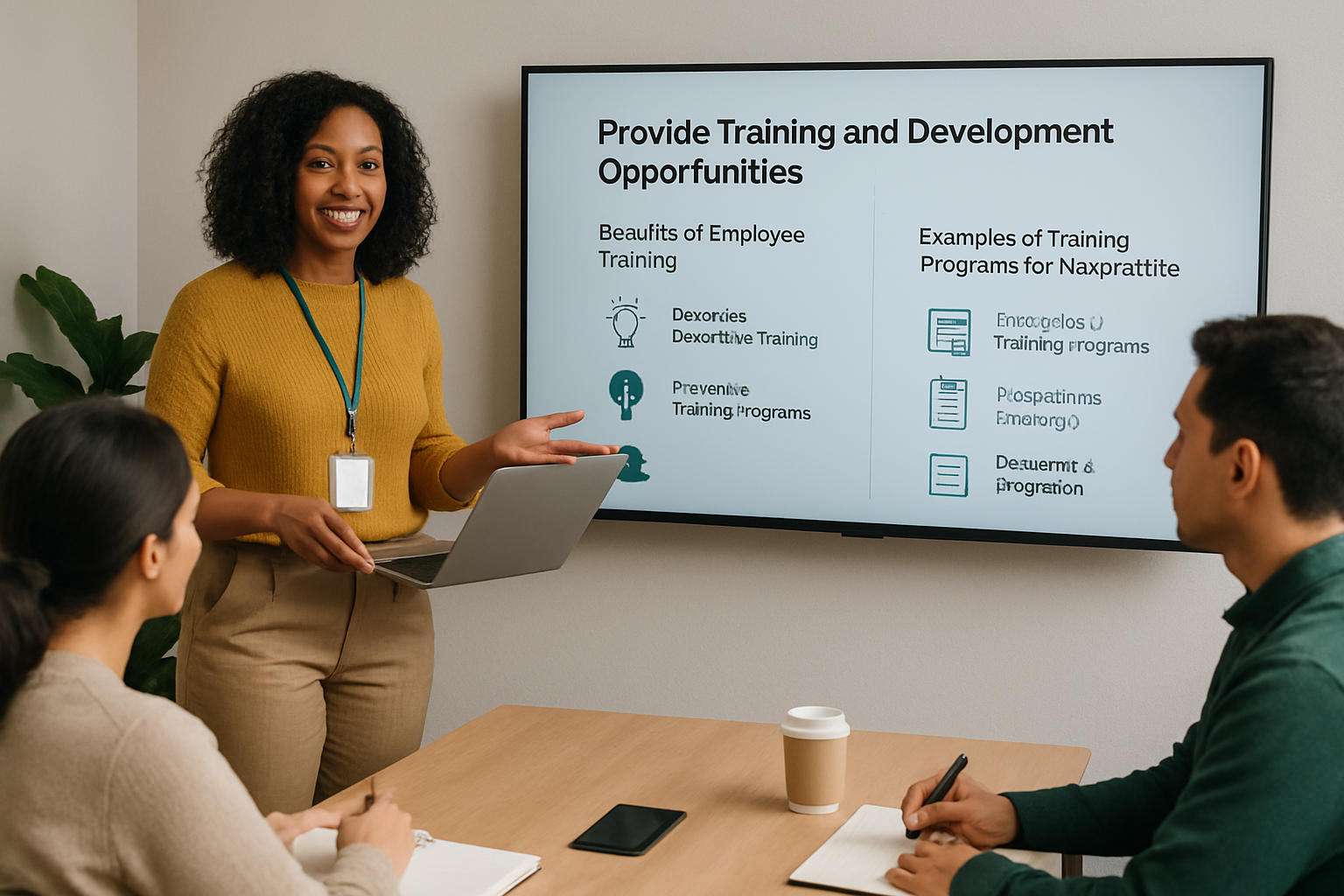
Tip 5: Provide Training and Development Opportunities
Providing training and development opportunities is essential for the growth of both employees and the organization. When nonprofits invest in their staff’s skills, they not only enhance individual performance but also improve overall organizational effectiveness. Training programs can lead to increased job satisfaction and employee retention, as team members feel valued and supported in their professional growth.
As nonprofit leader Tom Reynolds emphasizes, “Investing in training is investing in your mission.” By prioritizing development opportunities, organizations can empower their staff to excel and adapt to changing needs.
Benefits of Employee Training
Employee training offers numerous benefits that positively impact the organization. Some key advantages include:
- Skill Enhancement:
- Training helps employees acquire new skills that can improve their job performance.
- Increased Productivity:
- Well-trained staff can work more efficiently, leading to higher productivity levels.
- Employee Retention:
- Organizations that offer development opportunities are more likely to retain talented employees, reducing turnover costs.
- Adaptability:
- Training prepares employees to adjust to industry changes and new technologies, keeping the organization competitive.
- Improved Morale:
- Investing in training shows employees that the organization values their growth, boosting morale and engagement.
By recognizing these benefits, nonprofits can create a culture of continuous learning that supports both individual and organizational success.
Examples of Training Programs for Nonprofits
Here are some effective training programs that nonprofits can implement:
- Onboarding Programs:
- A structured onboarding process helps new hires acclimate to the organization’s culture and policies.
- Leadership Development:
- Offer workshops or mentorship programs to develop future leaders within the organization.
- Skills Workshops:
- Provide training sessions on specific skills, such as grant writing, fundraising, or public speaking.
- Diversity and Inclusion Training:
- Conduct training to promote awareness and understanding of diversity issues within the workplace.
- Technology Training:
- Offer training on relevant software and tools to ensure employees are equipped to use them effectively.
By implementing these training programs, nonprofits can enhance their workforce’s capabilities and drive greater mission success.
Tip 6: Ensure Compliance with Legal Requirements
Ensuring compliance with legal requirements is crucial for any nonprofit organization. Nonprofits must adhere to various laws and regulations to operate legally and ethically. Failing to comply can lead to serious consequences, including fines, legal action, and damage to the organization’s reputation. By understanding and implementing necessary legal guidelines, nonprofits can protect themselves and their employees.
As legal expert Laura Simmons states, “Compliance is not just a checkbox; it’s essential for sustainable operations.” By prioritizing compliance, organizations can focus on their mission while minimizing risks.
Overview of Key Legal Considerations
Key legal considerations for nonprofits include:
- Employment Law:
- Understand laws related to hiring, firing, wages, and workplace safety to ensure fair treatment of employees.
- Tax Compliance:
- Maintain tax-exempt status by adhering to IRS regulations and filing required forms annually.
- Donor Privacy:
- Protect donor information and comply with regulations regarding data privacy and fundraising practices.
- Health and Safety Regulations:
- Ensure the workplace meets safety standards to protect employees and volunteers from harm.
- Nonprofit Governance:
- Follow state and federal laws regarding board governance, financial reporting, and transparency.
By being aware of these key legal considerations, nonprofits can create a framework that supports compliance and ethical practices.
Examples of Compliance Policies
Implementing compliance policies helps ensure adherence to legal requirements. Here are some examples:
- Anti-Discrimination Policy:
- Outline the organization’s commitment to preventing discrimination based on race, gender, age, or other protected characteristics.
- Whistleblower Policy:
- Encourage employees to report unethical behavior without fear of retaliation, ensuring accountability within the organization.
- Data Protection Policy:
- Establish guidelines for handling and protecting sensitive donor and employee information in compliance with privacy laws.
- Safety Procedures:
- Create procedures for reporting workplace hazards and responding to emergencies to maintain a safe environment.
- Financial Accountability Policy:
- Set standards for financial reporting and auditing to ensure transparency and integrity in financial practices.
By adopting these compliance policies, nonprofits can safeguard their operations and foster trust among employees, donors, and the community.
Tip 7: Regularly Update the Non Profit Organization Employee Handbook
Regularly updating the non profit organization employee handbook is essential for maintaining relevance and effectiveness. As laws, regulations, and organizational needs change, so should the policies outlined in the handbook. Keeping the handbook current ensures that employees have access to accurate information regarding their roles, responsibilities, and benefits. This practice not only prevents misunderstandings but also demonstrates the organization’s commitment to transparency and support.
As HR consultant Megan Lee states, “An outdated handbook can lead to confusion and compliance issues.” By prioritizing regular updates, nonprofits can create a dynamic resource that evolves with the organization.
Importance of Keeping Policies Current
Keeping policies current is vital for several reasons:
- Legal Compliance:
- Laws and regulations frequently change. Updating the handbook ensures that the organization remains compliant and avoids legal pitfalls.
- Employee Clarity:
- Current policies provide employees with the necessary information to understand their rights and responsibilities clearly.
- Adaptation to Organizational Changes:
- As the organization grows or shifts focus, policies must reflect these changes to align with new goals and strategies.
- Enhanced Workplace Culture:
- Regular updates signal to employees that the organization values their input and is committed to fostering a positive work environment.
- Risk Management:
- Keeping policies up-to-date helps mitigate risks associated with outdated practices, reducing potential liabilities.
By recognizing the importance of maintaining current policies, nonprofits can ensure a supportive and legally compliant workplace.
Examples of When to Update the Handbook
Here are some situations that warrant an update to the employee handbook:
- Changes in Employment Law:
- Update the handbook when new labor laws or regulations are enacted that affect employee rights or benefits.
- Organizational Restructuring:
- Revise policies following mergers, acquisitions, or changes in leadership to reflect new reporting structures or job roles.
- Feedback from Employees:
- Incorporate suggestions or concerns raised by employees during surveys or meetings to enhance clarity and relevance.
- Introduction of New Benefits:
- Update the handbook when new employee benefits or programs are introduced to ensure everyone is informed.
- Crisis Response:
- Revise policies in response to emergencies, such as health crises or natural disasters, to address safety and remote work protocols.
By proactively updating the handbook in these scenarios, nonprofits can maintain a relevant and effective resource for their employees.

Frequently Asked Questions
What HR policies should a nonprofit have?
Nonprofits should have several essential HR policies in place to ensure smooth operations. Key policies include an anti-discrimination policy, which promotes a respectful workplace, and a whistleblower policy that encourages reporting unethical behavior without fear of retaliation. Additionally, having a data protection policy is crucial for safeguarding sensitive information about employees and donors. For more insights on effective policies, consider exploring our communication tools for nonprofits.
What is required to be in an employee handbook?
An employee handbook should include a variety of important information. Key components include an overview of the organization, clear job descriptions, conduct and behavior policies, compensation and benefits details, and procedures for addressing grievances. It should also outline compliance with legal requirements, such as employment laws and safety regulations. For guidance on crafting a comprehensive handbook, check out our article on content strategy for nonprofits.
What policies should not be in an employee handbook?
Certain policies may not be suitable for inclusion in an employee handbook. For instance, overly specific or rigid policies can limit flexibility and adaptability within the organization. Additionally, personal opinions or informal practices should be avoided, as they may create confusion. It’s also best to exclude policies that could violate employee privacy or that are not legally enforceable. Instead, focus on policies that provide clear guidance and support a positive work environment.
Do nonprofits have different labor laws?
Yes, nonprofits often operate under different labor laws compared to for-profit organizations. While many employment laws apply universally, some regulations may vary based on the nonprofit’s structure, funding sources, or mission. For example, nonprofits may have specific rules regarding tax-exempt status and fundraising activities. It’s essential for nonprofit leaders to stay informed about relevant labor laws to ensure compliance and protect their organization. For more information, consider reviewing resources on nonprofit PR to better understand the legal landscape.