

Managing a nonprofit can be challenging, especially when it comes to finances. Without a clear budget, organizations may struggle with overspending or misallocating resources. This can lead to stress and hinder their mission. A non profit budget template provides a structured way to plan and track finances, ensuring that every dollar is used effectively. By using these templates, nonprofits can streamline their budgeting process and focus more on their goals rather than financial worries.
- Understand what a non profit budget template is and its key features.
- Discover seven essential templates tailored for different needs.
- Learn how to implement these templates effectively in your organization.
What is a Non Profit Budget Template?
A non profit budget template is a tool designed to help nonprofit organizations plan their finances. It outlines expected income and expenses over a specific period, typically a year. This template serves as a roadmap, guiding nonprofits in allocating resources wisely. By using this template, organizations can anticipate funding needs and make informed decisions about spending.
Nonprofit budget templates come in various formats, catering to different organizational needs. They can range from simple spreadsheets to more complex software solutions. The goal is to create a clear financial picture that helps nonprofits stay on track with their missions.
Definition of a Non Profit Budget Template
A non profit budget template is essentially a framework that outlines the financial goals and expectations of a nonprofit organization. It includes various sections such as revenue sources, anticipated expenses, and potential funding gaps. This template allows nonprofits to visualize their financial situation and plan accordingly.
By defining income and expenditures, this template helps nonprofits understand where they stand financially. It also highlights areas that may need attention, ensuring that organizations can adjust their strategies as necessary. In short, it’s a crucial tool for effective financial management in the nonprofit sector.
Importance of Using a Non Profit Budget Template
Using a non profit budget template is vital for several reasons. First, it promotes transparency within the organization. When everyone knows the budget, it fosters accountability among team members. Second, it aids in strategic planning. Nonprofits can set realistic financial goals based on past performance and future projections.
Moreover, a budget template helps identify funding shortages early. By spotting these gaps, nonprofits can seek additional funding sources or adjust their spending habits. This proactive approach ensures that organizations remain sustainable and can continue their important work. Ultimately, a well-structured budget template is essential for any nonprofit aiming for long-term success.
1. Basic Non Profit Budget Template
A basic non profit budget template is the foundation for any nonprofit organization looking to manage its finances effectively. This template typically includes sections for income sources, fixed costs, variable expenses, and projected surplus or deficit. It’s designed to give a clear overview of the financial landscape, making it easier for nonprofits to keep track of their funds.
Using this template helps organizations plan their activities while ensuring they stay within budget. It’s essential for new nonprofits or those just starting to develop their financial management skills. With a basic budget template, organizations can establish a solid financial base that supports their mission.
Key Features of a Basic Non Profit Budget Template
A basic non profit budget template includes several key features that make it user-friendly and effective. Here are some important elements:
Income Sources: A section to list all potential revenue streams, such as donations, grants, and fundraising events.
Expense Categories: Clear categories for fixed costs (like rent and salaries) and variable expenses (such as marketing and program costs).
Projected Surplus/Deficit: An area to calculate the difference between total income and expenses, helping nonprofits understand their financial health.
Monthly Breakdown: A timeline to show income and expenses on a monthly basis, making it easier to track cash flow.
Notes Section: Space for additional comments or details, allowing organizations to clarify assumptions or changes in their budget.
These features provide a comprehensive view of the nonprofit’s financial situation, aiding in better decision-making.
How to Use the Basic Non Profit Budget Template
To effectively use a basic non profit budget template, follow these simple steps:
Gather Financial Data: Start by collecting past financial records, including income statements and expense reports. This data will help inform your budget estimates.
Fill in Income Sources: List all expected income sources, including donations, grants, and any earned income. Be realistic about projections to avoid overestimating.
Estimate Expenses: Break down expenses into fixed and variable categories. Include all necessary costs to ensure an accurate budget.
Calculate Surplus/Deficit: Subtract total expenses from total income to determine if you have a surplus or deficit. This will guide your financial planning.
Review and Adjust: Regularly revisit the budget throughout the year. Adjust as needed based on actual income and expenses to stay on track.
By following these steps, nonprofits can use the basic budget template to maintain financial stability and support their mission effectively.

2. Annual Non Profit Budget Template
An annual non profit budget template is crucial for nonprofits that want to plan their finances over a longer period. This template covers a full year and helps organizations set financial goals, track spending, and manage resources effectively. By looking at the big picture, nonprofits can align their budget with their strategic objectives.
Using an annual budget template allows nonprofits to anticipate fluctuations in income and expenses throughout the year. It serves as a roadmap, guiding decision-making and ensuring that funds are allocated appropriately to support programs and initiatives.
Purpose of an Annual Non Profit Budget Template
The primary purpose of an annual non profit budget template is to provide a comprehensive overview of the organization’s financial plan for the year. This template helps nonprofits:
Set Financial Goals: Establish clear revenue targets and expense limits for the upcoming year.
Monitor Performance: Track actual income and expenses against the budget to identify discrepancies and adjust strategies accordingly.
Enhance Accountability: Foster transparency within the organization by making financial expectations clear to all team members.
Facilitate Funding Requests: Present a well-structured budget to potential donors and grant-makers, demonstrating financial responsibility and planning.
Support Strategic Planning: Align financial planning with the nonprofit’s mission and goals, ensuring that resources are allocated effectively.
By using this template, nonprofits can enhance their financial health and sustainability.
Steps to Create an Annual Non Profit Budget Template
Creating an annual non profit budget template involves several straightforward steps:
Review Previous Budgets: Start by analyzing past budget performance to identify trends in income and expenses. This historical data will inform your new budget.
Estimate Income: List all expected revenue sources for the year, including donations, grants, and fundraising events. Be conservative in your estimates to avoid shortfalls.
Outline Expenses: Break down all anticipated costs, categorizing them into fixed and variable expenses. Include program costs, administrative expenses, and any planned investments.
Calculate Surplus/Deficit: Subtract total expenses from total income to determine whether you expect a surplus or a deficit. This calculation is crucial for financial planning.
Seek Input: Involve team members in the budgeting process to gather insights and ensure all perspectives are considered. Collaboration leads to more accurate forecasts.
Finalize and Implement: Once the budget is complete, share it with stakeholders and implement it. Regularly review the budget throughout the year to make necessary adjustments.
By following these steps, nonprofits can create a robust annual budget that supports their mission and ensures financial stability.
3. Project-Based Non Profit Budget Template
A project-based non profit budget template is specifically designed for individual projects or initiatives within a nonprofit organization. This template allows nonprofits to allocate resources effectively for specific goals, making it easier to track costs and funding for each project. By focusing on individual projects, organizations can ensure that they meet their objectives without overspending.
Using this template helps nonprofits manage financial accountability by providing detailed insights into the costs associated with each project. It also aids in securing funding, as potential donors often want to see a clear budget breakdown for specific initiatives.
When to Use a Project-Based Non Profit Budget Template
A project-based non profit budget template is ideal in several situations:
New Initiatives: When launching a new program or service, this template helps outline the estimated costs and expected outcomes.
Grant Applications: Many funding sources require detailed budgets for specific projects. This template makes it easy to present a clear financial picture to funders.
Short-Term Projects: For projects with a defined timeline, such as events or campaigns, this template allows for precise tracking of expenses and income.
Program Evaluation: After a project concludes, reviewing the budget can provide valuable insights into financial performance, helping to inform future initiatives.
Resource Allocation: Organizations can use this template to prioritize projects based on available funding, ensuring that resources are allocated efficiently.
By using this template, nonprofits can enhance their financial planning and project management capabilities.
Example of a Project-Based Non Profit Budget Template
Here’s an example of a simple project-based non profit budget template:
| Category | Estimated Costs | Actual Costs | Notes |
|---|---|---|---|
| Personnel | $5,000 | Salaries for project staff | |
| Materials | $2,000 | Supplies needed for activities | |
| Marketing | $1,500 | Promotion costs | |
| Venue Rental | $1,000 | Location for events | |
| Miscellaneous | $500 | Unexpected expenses | |
| Total | $10,000 |
This template outlines various categories relevant to a specific project, allowing for easy tracking of both estimated and actual costs. It also provides space for notes, helping to clarify any changes or important details.

4. Grant Proposal Non Profit Budget Template
A grant proposal non profit budget template is a specialized tool used by nonprofits to outline the financial requirements for specific projects when applying for grants. This template helps organizations present a clear and detailed budget to potential funders, showcasing how their money will be spent. A well-structured budget can significantly enhance the chances of securing funding.
Using this template not only demonstrates financial responsibility but also shows grantors that the nonprofit has carefully considered the costs involved in achieving its goals. This clarity helps build trust and credibility with funders.
Importance of a Grant Proposal Non Profit Budget Template
The grant proposal non profit budget template holds significant importance for several reasons:
Clarity: It provides a clear breakdown of how funds will be allocated, making it easier for grantors to understand the project’s financial needs.
Accountability: A detailed budget promotes accountability, showing funders that the organization is committed to responsible financial management.
Justification of Costs: The template allows nonprofits to justify each expense, explaining why each line item is necessary for the project’s success.
Alignment with Goals: It helps align the budget with the nonprofit’s goals, ensuring that every dollar spent contributes to the mission.
Funding Requests: A well-prepared budget can strengthen grant applications, making them more compelling to potential funders.
By utilizing this template, nonprofits can enhance their chances of receiving the funding they need to carry out their important work.
Components of a Grant Proposal Non Profit Budget Template
A grant proposal non profit budget template typically includes several essential components:
Budget Categories: Clear sections for different types of expenses, such as personnel, materials, travel, and overhead costs.
Detailed Line Items: Specific entries under each category that outline individual expenses, allowing for transparency.
Estimated Costs: A column for projected costs associated with each line item, providing a total estimated budget.
Funding Sources: An area to indicate other funding sources or in-kind contributions that will support the project.
Justification: Space to provide explanations for each expense, helping grantors understand the rationale behind the budget.
Total Budget Summary: A final section that summarizes the total costs, making it easy for reviewers to see the overall financial requirements at a glance.
By including these components, nonprofits can create a comprehensive grant proposal budget that effectively communicates their financial needs to potential funders.
5. Fundraising Event Non Profit Budget Template
A fundraising event non profit budget template is essential for nonprofits planning events to raise money for their causes. This template helps organizations estimate the costs associated with organizing an event, track income from ticket sales or donations, and ensure that the event is financially viable.
By using this template, nonprofits can carefully plan their fundraising efforts, making sure they allocate resources effectively and maximize their potential revenue. It’s a vital tool for ensuring that events are not only enjoyable but also financially successful.
Why You Need a Fundraising Event Non Profit Budget Template
Having a fundraising event non profit budget template is crucial for several reasons:
Financial Planning: It allows nonprofits to plan for all potential costs associated with the event, helping to avoid unexpected expenses.
Goal Setting: The template helps set clear financial goals for the event, such as how much money needs to be raised to cover costs and support programs.
Resource Allocation: It aids in determining where to allocate resources, ensuring that funds are spent wisely to maximize fundraising potential.
Tracking Income and Expenses: Using this template enables organizations to monitor actual income and expenses against projected figures, providing insights into financial performance.
Attracting Sponsors: A well-prepared budget can help attract sponsors by demonstrating financial responsibility and a clear plan for the event.
Overall, this template is a key component in successfully executing a fundraising event.
Breakdown of a Fundraising Event Non Profit Budget Template
A fundraising event non profit budget template typically includes several key sections:
Income Sources: A section to list all expected revenue streams, such as ticket sales, sponsorships, and donations.
Expense Categories: Clear categories for different types of expenses, including venue rental, catering, marketing, and entertainment.
Estimated Costs: A column for projecting costs associated with each line item, providing a total estimated budget for the event.
Actual Costs: Space to record actual expenses incurred during the event, allowing for comparison with estimates.
Net Income: A calculation of total income minus total expenses, showing the overall financial outcome of the event.
Comments Section: An area for notes or additional details, such as changes made during planning or post-event reflections.
By including these components, nonprofits can create a comprehensive budget that ensures their fundraising events are well-planned and financially successful.

6. Monthly Non Profit Budget Template
A monthly non profit budget template is an essential tool for nonprofits that want to keep a close eye on their finances throughout the year. This template breaks down income and expenses on a monthly basis, allowing organizations to track their financial performance regularly. By monitoring their budget monthly, nonprofits can make timely adjustments to stay on course.
Using this template helps organizations avoid cash flow issues and ensures they allocate funds appropriately for ongoing programs and activities. It’s particularly useful for managing expenses that fluctuate from month to month, providing a clearer financial picture.
Benefits of Using a Monthly Non Profit Budget Template
There are several benefits to using a monthly non profit budget template:
Enhanced Cash Flow Management: By tracking income and expenses monthly, nonprofits can better manage their cash flow, ensuring they have enough funds available when needed.
Timely Adjustments: Regular monitoring allows organizations to identify any discrepancies between projected and actual figures, enabling them to make necessary adjustments quickly.
Improved Financial Discipline: A monthly budget encourages nonprofits to adhere to spending limits and prioritize essential expenses.
Goal Tracking: Organizations can set monthly financial goals, helping them stay focused on their overall mission and objectives.
Informed Decision-Making: With clear visibility into monthly finances, nonprofits can make informed decisions about resource allocation and future planning.
Overall, this template fosters better financial health and sustainability.
Tips for Maintaining a Monthly Non Profit Budget Template
To effectively maintain a monthly non profit budget template, consider these tips:
Regular Updates: Update the budget at least once a month to reflect actual income and expenses. This keeps the budget relevant and accurate.
Review Variances: Analyze any significant differences between projected and actual figures. Understanding why these variances occur can help improve future budgeting.
Involve Team Members: Encourage staff involvement in the budgeting process. Input from various team members can provide valuable insights and foster accountability.
Use Budgeting Software: Consider using budgeting software to streamline the process and make it easier to track finances over time.
Set Reminders: Schedule regular reminders to review and update the budget. Consistency is key to maintaining an effective financial plan.
By following these tips, nonprofits can ensure their monthly budget remains a valuable tool for financial management.
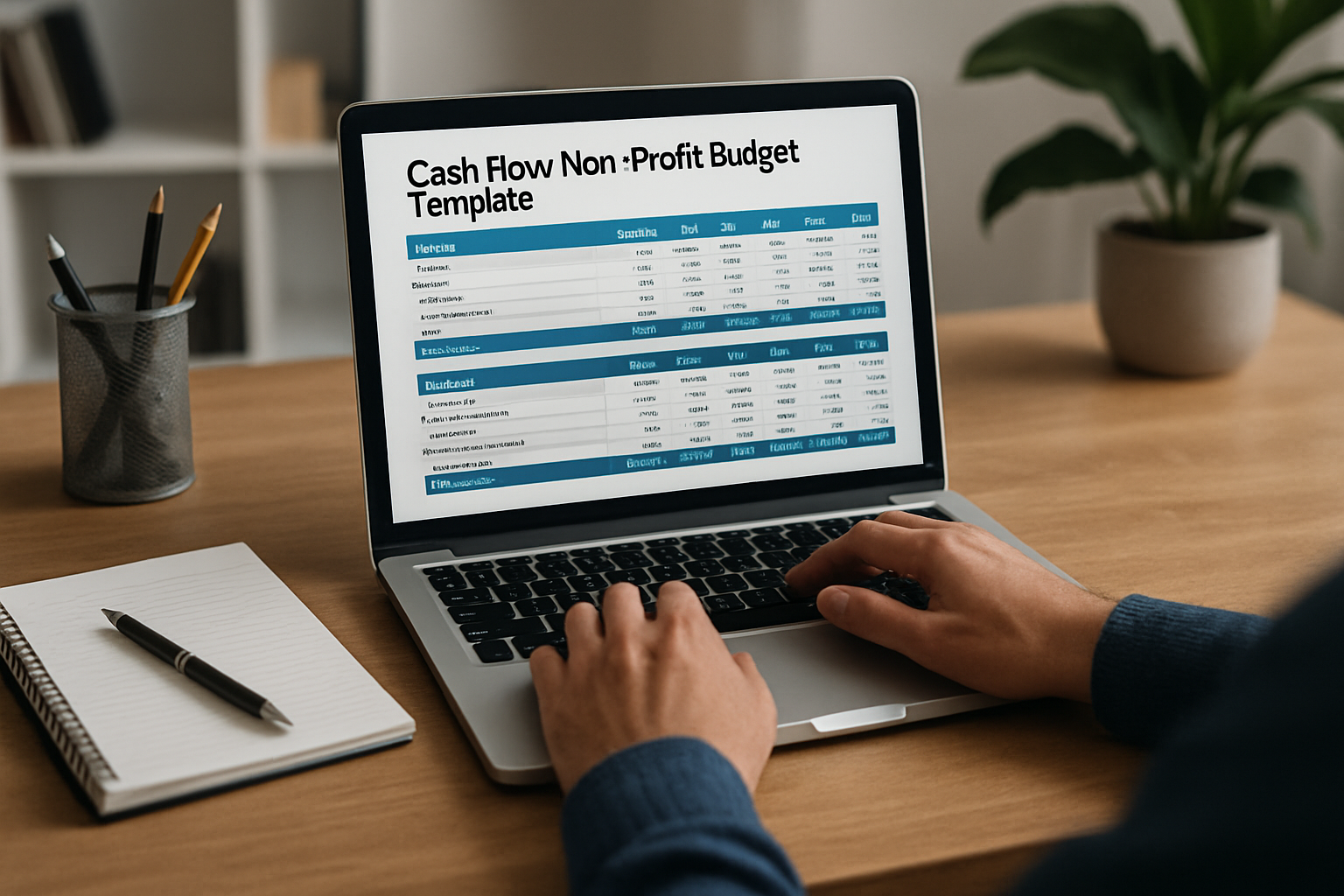
7. Cash Flow Non Profit Budget Template
A cash flow non profit budget template is a vital tool for nonprofits to manage their incoming and outgoing funds effectively. This template focuses specifically on cash flow, helping organizations track the timing of cash inflows and outflows over a defined period, usually monthly. By understanding their cash flow, nonprofits can ensure they have enough liquidity to meet their obligations and support their programs.
Using this template allows nonprofits to anticipate cash shortages and plan accordingly. It helps organizations maintain financial stability and avoid unexpected financial challenges.
Understanding the Cash Flow Non Profit Budget Template
The cash flow non profit budget template consists of several key components that provide insights into an organization’s financial health:
Cash Inflows: This section includes all expected sources of income, such as donations, grants, fundraising events, and membership fees.
Cash Outflows: Here, organizations list all anticipated expenses, including salaries, rent, utilities, and program costs.
Net Cash Flow: This calculation shows the difference between total cash inflows and outflows, indicating whether the organization is in a cash surplus or deficit.
Beginning and Ending Cash Balance: The template tracks the cash balance at the start and end of each period, providing a clear picture of liquidity.
Monthly Breakdown: A detailed month-by-month view allows organizations to see trends and make adjustments as needed.
By understanding these components, nonprofits can effectively manage their cash flow and ensure they remain financially viable.
How to Implement a Cash Flow Non Profit Budget Template
To implement a cash flow non profit budget template, follow these steps:
Gather Financial Data: Collect historical data on income and expenses to inform your cash flow projections.
Estimate Cash Inflows: List all expected income sources and project when these funds will be received. Be realistic about timing and amounts.
Outline Cash Outflows: Identify all monthly expenses and when they are due. Include fixed costs and variable expenses to create a comprehensive overview.
Calculate Net Cash Flow: Subtract total cash outflows from total cash inflows to determine the net cash flow for each month.
Monitor and Adjust: Regularly review the cash flow template, making adjustments as necessary based on actual income and expenses. This ongoing process helps identify potential cash shortfalls early.
By following these steps, nonprofits can effectively use a cash flow budget template to maintain financial health and support their mission.
Conclusion
In summary, utilizing various non profit budget templates is crucial for the financial health of nonprofit organizations. Each template serves a specific purpose, helping nonprofits manage their finances effectively, whether for general budgeting, project-specific needs, or cash flow management. By implementing these templates, organizations can gain clarity on their financial status, set realistic goals, and ensure they are allocating resources wisely.
Recap of Non Profit Budget Templates
To recap, here are the essential non profit budget templates discussed:
- Basic Non Profit Budget Template: A foundational tool for overall financial management.
- Annual Non Profit Budget Template: Helps plan finances for the entire year.
- Project-Based Non Profit Budget Template: Focuses on individual projects and their specific costs.
- Grant Proposal Non Profit Budget Template: Essential for outlining budgets when applying for grants.
- Fundraising Event Non Profit Budget Template: Designed to track income and expenses related to fundraising events.
- Monthly Non Profit Budget Template: Provides a detailed view of finances on a month-by-month basis.
- Cash Flow Non Profit Budget Template: Focuses on managing cash inflows and outflows to maintain liquidity.
Encouragement to Utilize Non Profit Budget Templates
Nonprofits are encouraged to adopt these non profit budget templates to enhance their financial management practices. By doing so, organizations can improve accountability, make informed decisions, and ultimately better serve their missions. Whether you are a small organization just starting or a larger nonprofit looking to refine your processes, these templates can provide the structure needed to achieve financial stability and success. Embrace the power of budgeting to empower your nonprofit and make a lasting impact in your community.
Frequently Asked Questions (FAQ)
How to create a budget for a non-profit?
Creating a budget for a nonprofit involves several key steps. Start by gathering historical financial data to inform your projections. Next, estimate your income sources, including donations, grants, and fundraising efforts. Then, outline your expected expenses, categorizing them into fixed and variable costs. Once you have your estimates, calculate the surplus or deficit by subtracting total expenses from total income. It’s essential to regularly review and adjust your budget throughout the year to reflect actual performance. For more detailed guidance, check out our article on how to grow a nonprofit organization.
What is the 50/30/20 budget rule template?
The 50/30/20 budget rule is a simple budgeting framework that allocates your income into three categories: 50% for needs, 30% for wants, and 20% for savings or debt repayment. While this rule is often used for personal finance, nonprofits can adapt it to manage their budgets too. For example, the “needs” could represent essential program costs, “wants” might include discretionary spending on events, and “savings” could be funds set aside for future projects. This approach helps organizations prioritize their spending effectively.
What is the budget tool for nonprofits?
There are various budget tools available for nonprofits, ranging from simple spreadsheets to comprehensive budgeting software. Many organizations find that using a non profit budget template helps streamline the budgeting process. Tools like QuickBooks, Microsoft Excel, or dedicated nonprofit management software can assist in tracking income and expenses, generating reports, and maintaining financial records. These tools enable nonprofits to keep their finances organized and accessible, ensuring better decision-making.
What is the average budget for a nonprofit organization?
The average budget for a nonprofit organization can vary significantly based on its size, mission, and geographic location. According to recent studies, small nonprofits may operate with annual budgets of $250,000 to $500,000, while larger organizations can have budgets exceeding $10 million. Understanding the average budget in your sector can help in setting realistic financial goals and expectations. It’s essential for nonprofits to create tailored budgets that reflect their specific needs and objectives. For additional insights, consider exploring resources on communication tools for nonprofits to enhance your outreach and fundraising efforts.