

Finding the right candidates for nonprofit roles can be challenging. Nonprofits often struggle with high turnover rates and limited resources, making it essential to ask the right questions during interviews. By understanding the nonprofit interview questions that matter, organizations can better assess candidates’ skills and passion for the mission. This blog post highlights ten critical questions that help uncover the best fit for your nonprofit team.
- Discover the importance of asking the right nonprofit interview questions.
- Learn about ten essential questions to guide your interviews.
- Get tips on conducting effective interviews for your nonprofit.
- Understand how to create a comfortable environment for candidates.
Understanding the Role of Nonprofit Interview Questions
Nonprofit interview questions play a vital role in identifying candidates who align with an organization’s mission. These questions help reveal not only a candidate’s skills but also their passion for making a difference. When hiring for nonprofits, it’s crucial to assess how well potential employees understand the unique challenges faced by these organizations.
For instance, a candidate who has experience in fundraising may be more valuable than one without. Furthermore, asking about past experiences can provide insight into how they handle real-life situations. This approach ensures that the selected individuals are not just qualified but truly committed to the cause.
By focusing on targeted nonprofit interview questions, organizations can enhance their chances of building a strong, dedicated team. This not only improves overall performance but also fosters a culture that thrives on shared values and goals.
Why Nonprofit Interview Questions Matter
Asking the right nonprofit interview questions is crucial for several reasons. First, these questions help uncover a candidate’s genuine interest in the nonprofit sector. Individuals who are passionate about making a difference often have unique insights and experiences that can significantly benefit your organization.
Moreover, tailored interview questions allow hiring managers to assess how well candidates align with the organization’s mission and values. This alignment is essential for fostering a positive workplace culture and ensuring long-term commitment.

Additionally, effective nonprofit interview questions can reveal problem-solving abilities and adaptability. Nonprofits often operate in unpredictable environments, so understanding how candidates respond to challenges is vital. By prioritizing these questions, organizations can build a team that not only possesses the necessary skills but also shares a common vision for success.
Top 10 Nonprofit Interview Questions
When it comes to hiring for nonprofit roles, asking the right questions can make all the difference. Here are ten essential nonprofit interview questions that can help you find the perfect fit for your organization.
1. What inspired you to work in the nonprofit sector?
This question helps gauge a candidate’s passion and motivation. Understanding what drives them can reveal their commitment to the mission. Candidates who share personal stories or experiences often demonstrate a deeper connection to the cause. For example, someone might mention volunteering at a local shelter as a turning point in their life. This insight not only shows their dedication but also indicates how they may relate to the organization’s values.
2. Can you describe your experience with fundraising?
Fundraising is a crucial aspect of many nonprofits, making this question vital. Candidates should explain their past experiences, whether it’s organizing events, applying for grants, or building relationships with donors. Look for specific examples that showcase their skills and success. For instance, a candidate might talk about leading a campaign that raised significant funds for a community project. This kind of experience can be invaluable for your organization as it seeks to grow its donor base and support its mission.
3. How do you handle conflicts within a team?
Conflict is inevitable in any workplace, especially in nonprofits where passionate individuals may have differing opinions. This question helps assess a candidate’s conflict resolution skills and their ability to maintain a positive team dynamic. Look for responses that demonstrate empathy, communication, and problem-solving abilities. For instance, a good candidate might share a story about mediating a disagreement between team members by facilitating open dialogue. Their approach can indicate how they would contribute to a collaborative environment within your organization.
4. What strategies do you use for community engagement?
Community engagement is crucial for nonprofits to thrive. This question allows candidates to showcase their creativity and understanding of outreach efforts. Ideal responses should include specific strategies such as hosting events, utilizing social media, or collaborating with local businesses. For example, a candidate might describe a successful initiative where they organized a community clean-up day, fostering relationships while promoting the nonprofit’s mission. Understanding their approach can help determine how well they would connect with your target audience.
5. How do you measure the success of a nonprofit program?
Measuring success is essential for nonprofits to justify their efforts and secure funding. This question reveals a candidate’s analytical skills and understanding of key performance indicators (KPIs). Look for answers that highlight specific metrics used to assess program effectiveness, such as participant feedback, fundraising outcomes, or community impact. A strong candidate might explain how they tracked progress through surveys or data analysis. This insight can show how they would contribute to evaluating and improving your organization’s programs.

6. Can you share an example of a successful project you’ve led?
This question allows candidates to showcase their leadership and project management skills. A strong response should include specific details about the project, including objectives, challenges faced, and outcomes achieved. For instance, a candidate might describe leading a volunteer-driven initiative that resulted in a significant increase in community awareness for a cause. By sharing tangible results, such as the number of participants or funds raised, candidates can demonstrate their ability to drive success within a nonprofit setting.
7. How do you prioritize tasks in a resource-limited environment?
Nonprofits often operate with limited resources, making effective prioritization essential. This question helps assess a candidate’s organizational skills and ability to manage competing demands. Look for responses that highlight strategies such as creating to-do lists, setting clear goals, or utilizing project management tools. A good candidate might explain how they prioritized urgent tasks while ensuring long-term projects stayed on track. Their approach can indicate how well they would adapt to the fast-paced and often unpredictable nature of nonprofit work.
8. What is your approach to building relationships with donors?
Building strong relationships with donors is critical for nonprofit sustainability. This question reveals a candidate’s understanding of donor engagement and stewardship. Ideal answers should include specific strategies, such as regular communication, personalized thank-you notes, or invitations to events. For example, a candidate might share how they successfully cultivated a major donor relationship through consistent updates and involvement in program activities. Understanding their approach can help determine how effectively they would contribute to growing your organization’s donor base.
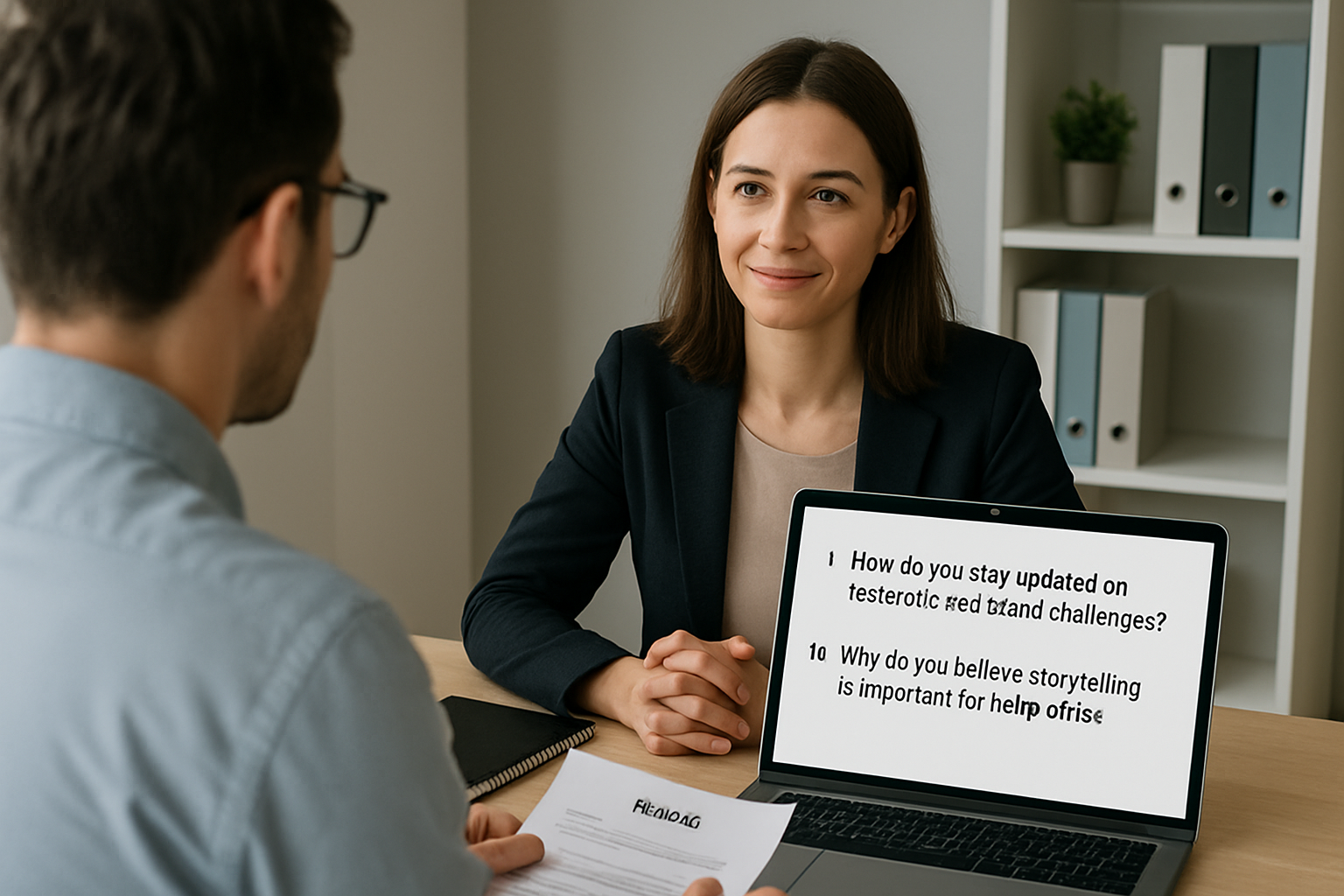
9. How do you stay updated on nonprofit trends and challenges?
This question assesses a candidate’s commitment to professional development and their awareness of the nonprofit landscape. A strong answer should include specific resources they use, such as industry publications, webinars, or networking events. For example, a candidate might mention subscribing to nonprofit newsletters or attending annual conferences to learn about emerging trends. Their proactive approach to staying informed can indicate their dedication to adapting strategies that benefit your organization.
10. Why do you believe storytelling is important for nonprofits?
Storytelling is a powerful tool for nonprofits, and this question helps gauge a candidate’s understanding of its impact. Candidates should articulate how stories can connect emotionally with donors and community members, driving engagement and support. A compelling response might include examples of successful campaigns that used storytelling to illustrate the organization’s mission. For instance, a candidate may discuss how sharing personal stories from beneficiaries helped raise awareness and funds. Their insight into the importance of storytelling can demonstrate their ability to effectively communicate your nonprofit’s message.
Tips for Conducting Effective Interviews
Conducting effective interviews is essential for selecting the right candidates for nonprofit roles. By employing specific strategies, hiring managers can ensure that they get the most out of each interview. Here are some practical tips to enhance your interviewing process.
Preparing for the Interview
Preparation is key to a successful interview. Hiring managers should review the candidate’s resume and cover letter beforehand to tailor their questions accordingly. Creating a structured list of nonprofit interview questions can help maintain focus during the conversation. Additionally, it’s beneficial to familiarize yourself with the organization’s mission and recent accomplishments, enabling you to engage in meaningful discussions. This preparation not only shows respect for the candidate’s time but also sets a professional tone for the interview.
Creating a Comfortable Environment
A relaxed atmosphere can significantly impact a candidate’s performance during an interview. To create a comfortable environment, consider conducting the interview in a quiet, private space where distractions are minimized. Begin with casual conversation to help ease nerves, and encourage candidates to express themselves openly. Nonprofits often seek individuals who fit well within their culture, so fostering an inviting atmosphere can lead to more authentic responses. This approach not only benefits the candidate but also allows the organization to assess how well they might integrate into the team.
Following Up After the Interview
Following up after an interview is a crucial step in the hiring process. It shows professionalism and respect for the candidate’s time and effort. A timely follow-up can also reinforce the organization’s commitment to transparency and communication. After the interview, sending a thank-you email to candidates is a great way to express appreciation for their interest and participation.
In this message, you can briefly reiterate key points discussed during the interview and outline the next steps in the hiring process. This not only keeps candidates informed but also helps maintain a positive impression of your nonprofit. For example, a candidate might appreciate knowing when they can expect feedback or a decision regarding their application.

Conclusion: Choosing the Right Fit with Nonprofit Interview Questions
Selecting the right candidates for nonprofit roles is essential for the success of any organization. By utilizing targeted nonprofit interview questions, hiring managers can gain valuable insights into candidates’ motivations, skills, and alignment with the organization’s mission. The questions outlined in this blog post not only help assess qualifications but also reveal how well candidates can contribute to the nonprofit’s goals.
Ultimately, the goal is to build a dedicated team that shares a passion for making a difference. By following best practices for interviewing and focusing on effective communication, nonprofits can create a positive experience for candidates while ensuring they find the right fit for their organization. This thoughtful approach will lead to stronger teams and, ultimately, greater impact in the communities they serve.
Frequently Asked Questions (FAQ)
More
If you’re looking for more insights on nonprofit interviewing, consider exploring various resources that cover best practices and strategies. Websites like Storly.ai offer valuable information tailored to nonprofits, helping you refine your interview process.
What are the 3 C’s of interviewing?
The 3 C’s of interviewing refer to Competence, Compatibility, and Character. Competence assesses whether a candidate has the skills and experience needed for the role. Compatibility evaluates how well they align with the organization’s culture and values. Finally, character looks at the individual’s integrity and ethical standards. Focusing on these aspects can lead to more informed hiring decisions.
How to prepare for an interview at a nonprofit?
Preparing for an interview at a nonprofit involves several steps. Start by researching the organization’s mission, recent projects, and key challenges. Review the job description carefully to understand the required skills and responsibilities. Additionally, practice answering common nonprofit interview questions and prepare thoughtful questions to ask the interviewer. This preparation will help you feel confident and demonstrate your genuine interest in the organization.
What are the 5 best questions to ask an interviewer?
When interviewing for a nonprofit position, consider asking these five questions:
- What are the biggest challenges your organization is currently facing?
- How does this role contribute to the overall mission of the nonprofit?
- Can you describe the team dynamics and collaboration style within the organization?
- What opportunities for professional development are available?
- How do you measure success for this position and the organization as a whole?
These questions can provide valuable insights into the organization and help you determine if it’s the right fit for you.
What are the 6 C’s interview questions?
The 6 C’s of interview questions include Communication, Collaboration, Critical Thinking, Creativity, Cultural Fit, and Commitment. These questions aim to assess how well candidates can communicate their ideas, work with others, solve problems, think creatively, fit into the organizational culture, and demonstrate dedication to the mission. Incorporating these elements into your interview process can enhance the quality of your hiring decisions.