
Using Venmo for nonprofits can transform how organizations collect donations. Many nonprofits face challenges in reaching potential donors and making the donation process easy. Traditional methods can be cumbersome, leading to missed opportunities. By using Venmo, nonprofits can streamline their fundraising efforts and connect with supporters directly. This guide will provide essential steps and insights to harness the power of Venmo effectively.
- Understand what Venmo is and how it operates.
- Explore the benefits of using Venmo for nonprofits.
- Learn how to set up a Venmo account tailored for nonprofit needs.
- Discover strategies to promote Venmo to your supporters.
- Engage donors effectively through personalized interactions.
- Manage donations efficiently while ensuring compliance.
- Analyze the success of your fundraising efforts using Venmo.
Understanding Venmo for Nonprofits
Venmo is a mobile payment service that allows users to send and receive money easily. For nonprofits, it serves as a convenient tool to collect donations from supporters. Simply put, it simplifies the donation process. Users can link their bank accounts or cards to the app, making transactions quick and hassle-free.
By utilizing Venmo, nonprofits can engage younger donors who prefer digital payments over traditional methods. This platform not only supports financial transactions but also builds community through social interactions. As donors can see their friends’ activities, it encourages more people to contribute.
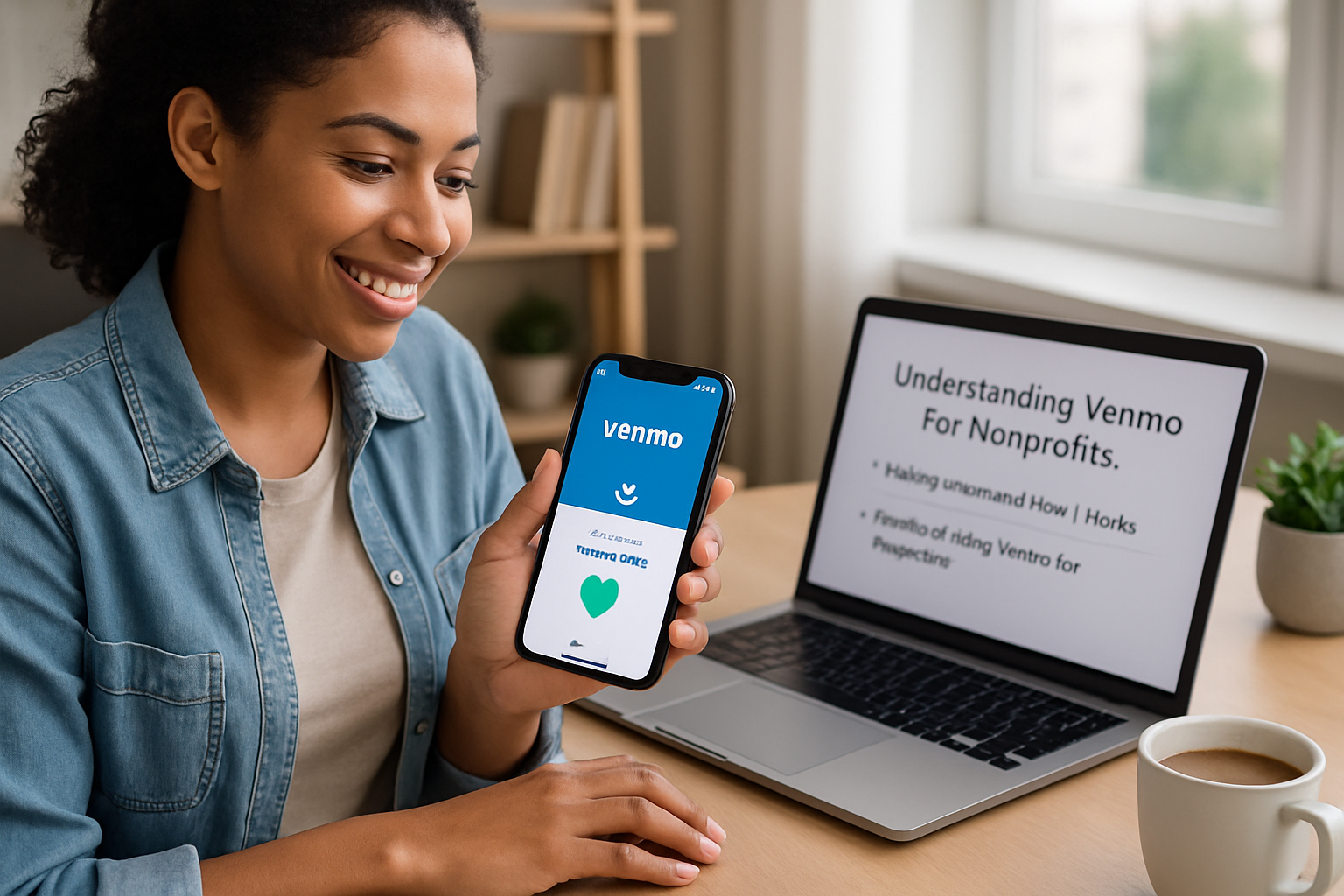
What is Venmo and How It Works
Venmo operates as a peer-to-peer payment system. Users can download the app on their smartphones and create an account. After linking their bank account or debit card, they can send money to others by simply entering their username or phone number. This seamless process makes it ideal for nonprofits looking to collect donations quickly.
When a donor wants to contribute, they can search for the nonprofit’s Venmo handle and enter the amount they wish to donate. The transaction is confirmed instantly, and both parties receive a notification. This speed and simplicity are crucial for nonprofits trying to maximize their fundraising efforts. Additionally, Venmo allows users to add notes or messages to each transaction, enabling nonprofits to thank their supporters personally.
Benefits of Using Venmo for Nonprofits
There are numerous advantages to adopting Venmo for nonprofits. First, it offers convenience. Donors can make contributions at any time, without worrying about checks or cash. This ease of use can significantly increase the likelihood of receiving donations.
Second, Venmo promotes social sharing. Donors can share their contributions on their feeds, encouraging others to participate. This aspect helps nonprofits expand their reach and attract new supporters.
Third, using Venmo can lower transaction fees compared to traditional payment processors. This means nonprofits keep more of the funds raised, allowing them to allocate resources towards their mission. Overall, embracing Venmo can enhance fundraising efforts and foster a sense of community among supporters.
Setting Up a Venmo Account for Nonprofits
To start using Venmo for nonprofits, organizations need to set up a dedicated account. This process is straightforward but essential for managing donations effectively. First, visit the Venmo website or download the app on a smartphone. After creating a personal account, nonprofits should switch to a business profile, which offers features tailored for organizations.
Having a business profile allows nonprofits to accept payments and track their transactions more efficiently. It also provides access to tools that help manage donations and engage with supporters. With a proper setup, nonprofits can leverage Venmo to enhance their fundraising efforts.
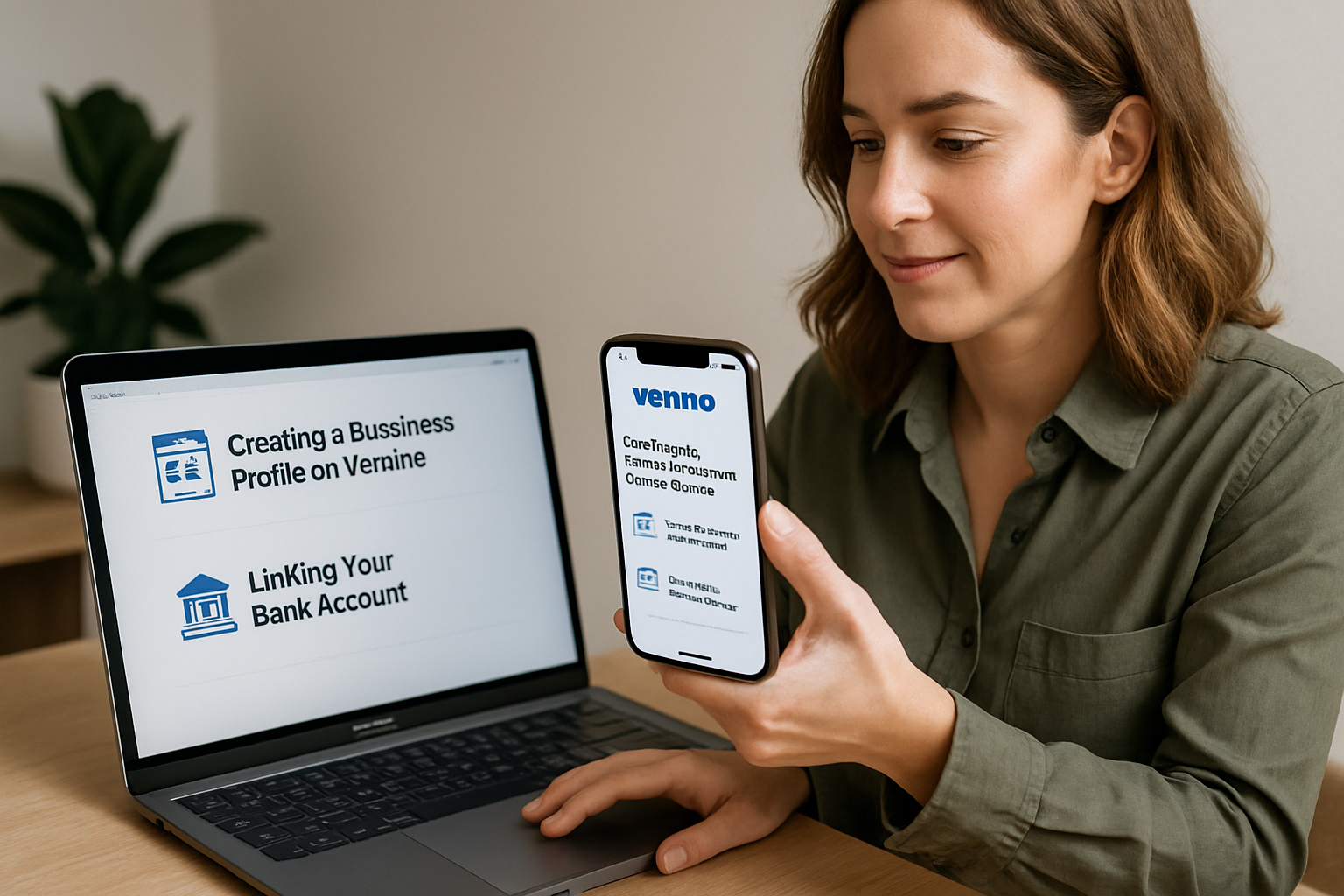
Creating a Business Profile on Venmo
Creating a business profile on Venmo is crucial for nonprofits. To do this, open the app and navigate to the settings. Select the option to create a business profile and follow the prompts. Nonprofits will need to provide basic information, such as their name, address, and tax identification number.
Once the profile is set up, organizations can customize it with their logo and mission statement. This personalization helps build trust with donors and enhances brand recognition. A well-crafted business profile not only represents the nonprofit but also encourages supporters to engage and contribute.
Linking Your Bank Account
After establishing a business profile, the next step is linking a bank account. This connection allows nonprofits to receive donations directly. To link an account, navigate to the settings within the Venmo app and select the option to add a bank account.
Nonprofits can choose to link a checking or savings account. Once the account is linked, Venmo may require verification, which usually involves confirming small deposits made by Venmo. This process ensures security and accuracy in transactions. By linking their bank accounts, nonprofits can streamline the donation process and ensure funds are readily accessible for their initiatives.
Promoting Venmo for Nonprofits
Promoting Venmo for nonprofits is essential to maximize donations. The more visible the payment option, the more likely supporters will use it. Organizations should actively share their Venmo handle across various platforms to encourage contributions. Effective promotion involves strategic communication and outreach to engage potential donors.
Utilizing social media, email campaigns, and even events can significantly boost awareness of the Venmo account. By making it easy for supporters to find and use their Venmo handle, nonprofits can enhance their fundraising efforts and foster a strong community of donors.
Sharing Your Venmo Handle on Social Media
Social media is a powerful tool for promoting a nonprofit’s Venmo handle. Organizations can create engaging posts that highlight their mission and include a clear call to action. For example, sharing stories of impact or upcoming projects can motivate followers to donate via Venmo.
Nonprofits should also consider using eye-catching graphics or videos to showcase their Venmo information. Platforms like Instagram, Facebook, and Twitter allow for creative storytelling, making it easier to connect with supporters. Additionally, tagging friends or encouraging shares can help spread the word further, bringing in new donors who might not have been aware of the organization.
Including Venmo in Email Campaigns
Email campaigns are another effective way to promote Venmo for nonprofits. When sending newsletters or fundraising appeals, organizations should prominently feature their Venmo handle. This ensures that supporters know how to donate quickly.
Incorporating Venmo into email content can be as simple as adding a donation button or including a direct link to the Venmo profile. Nonprofits can also share success stories or updates on how donations will make an impact. Personalizing emails with heartfelt messages can resonate with supporters, motivating them to contribute through Venmo. By integrating this payment option into email communications, nonprofits can streamline the donation process and increase engagement.
Engaging Donors with Venmo for Nonprofits
Engaging donors is vital for any nonprofit, and using Venmo for nonprofits can enhance this interaction. When organizations actively connect with their supporters, it fosters a sense of community and encourages ongoing contributions. One effective way to engage donors is through personalized communication that acknowledges their support.
By utilizing Venmo’s features, nonprofits can create unique experiences for their donors. Whether it’s sending thank-you messages or sharing stories about the impact of their donations, these engagements help build lasting relationships and encourage future support.
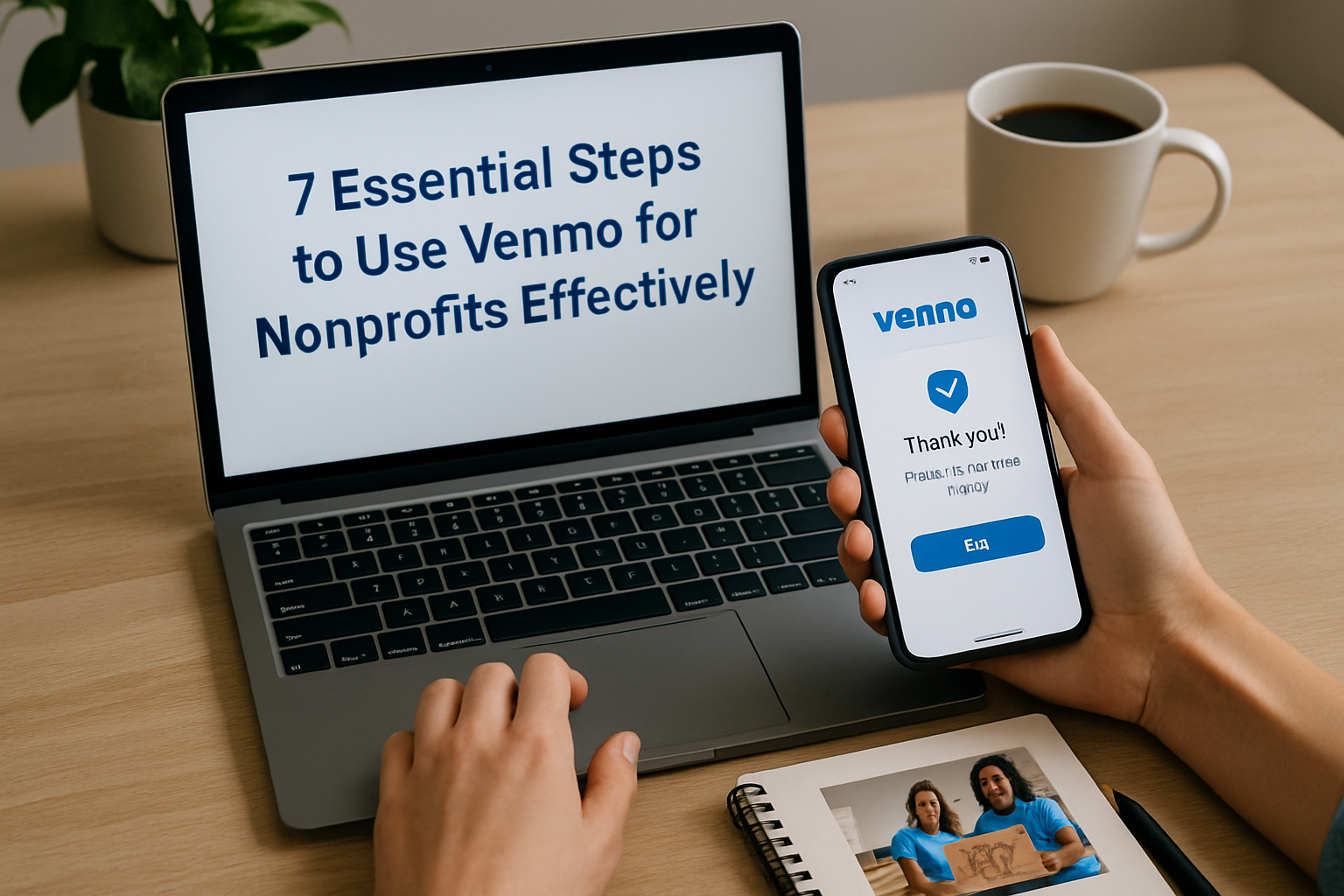
Personalizing Thank-You Messages
Personalized thank-you messages are a great way to show appreciation to donors. After someone donates via Venmo, organizations should send a heartfelt message acknowledging their contribution. This can be done directly through the app or via email, making the donor feel valued.
Including specific details about how their donation will make an impact can enhance the message. For instance, mentioning a particular project or need that the funds will support adds a personal touch. By taking the time to express gratitude, nonprofits can strengthen their relationship with donors and encourage them to contribute again in the future.
Sharing Impact Stories
Sharing impact stories is another powerful method for engaging donors. Nonprofits can use Venmo to collect funds for specific projects and then update donors on the results. These stories can be shared through social media, newsletters, or even directly through Venmo messages.
Highlighting how donations have made a difference not only keeps donors informed but also inspires them to continue supporting the cause. For example, showcasing testimonials from beneficiaries or sharing photos of completed projects can illustrate the tangible effects of their contributions. By keeping donors in the loop, nonprofits create a sense of partnership and shared purpose, leading to stronger connections and increased support.
Managing Donations through Venmo for Nonprofits
Effectively managing donations is crucial for any nonprofit using Venmo for nonprofits. This platform not only simplifies the donation process but also provides tools to help organizations keep track of their incoming funds. By understanding how to manage these donations, nonprofits can allocate resources more efficiently and maintain transparency with their supporters.
From tracking transactions to handling fees, managing donations through Venmo requires attention to detail. With the right approach, nonprofits can ensure that they maximize their fundraising efforts while keeping their financial records organized.
Tracking Incoming Donations
Tracking incoming donations on Venmo is straightforward. Nonprofits can view all transactions directly in the app. Each donation appears in a detailed list, showing the donor’s username, amount, and any notes they included. This feature allows organizations to keep accurate records of who donated and when.
To enhance tracking, nonprofits should consider maintaining a spreadsheet or database that logs these transactions. This practice helps in monitoring overall fundraising progress and provides insights into donor behavior. By analyzing this data, organizations can identify trends and tailor their future fundraising strategies effectively.
Handling Fees and Charges
Understanding fees and charges associated with Venmo is essential for nonprofits. While sending money to friends is often free, business accounts incur transaction fees on received payments. These fees typically range around 1.9% plus $0.10 per transaction.
Nonprofits should factor these fees into their budgeting and fundraising goals. By being transparent about these costs, organizations can inform donors about how much of their contribution will go directly to the cause. Additionally, exploring ways to cover these fees—such as adding a small suggested donation amount—can help ensure that the maximum funds reach the nonprofit’s initiatives.
Ensuring Compliance with Venmo for Nonprofits
Ensuring compliance is a critical aspect of using Venmo for nonprofits. Organizations must be aware of the legal and financial responsibilities that come with accepting donations through this platform. By understanding these requirements, nonprofits can operate smoothly and maintain their credibility with donors.
Compliance involves adhering to tax regulations and maintaining transparency in financial reporting. By taking these steps, nonprofits can build trust with their supporters and ensure that they are using funds appropriately.

Understanding Tax Implications
Understanding tax implications is essential for nonprofits using Venmo. Donations received may be considered taxable income, depending on the organization’s structure and local laws. It’s crucial for nonprofits to consult with a tax professional to clarify how these donations should be reported.
Additionally, providing donors with receipts for their contributions can help them claim deductions on their taxes. Nonprofits should keep track of all donations and offer documentation to supporters as needed. Being proactive about tax implications not only ensures compliance but also enhances donor confidence in the organization.
Keeping Records for Transparency
Keeping accurate records is vital for maintaining transparency in nonprofit operations. With Venmo, organizations can easily access transaction histories, but it’s important to supplement this data with additional documentation. Maintaining spreadsheets or accounting software can help track donations and expenses more comprehensively.
Regularly updating these records and conducting audits can prevent discrepancies and ensure accountability. By being transparent about financial activities, nonprofits can foster trust among donors and stakeholders. This practice not only helps in compliance but also strengthens the organization’s reputation within the community.
Analyzing the Success of Venmo for Nonprofits
Analyzing the success of Venmo for nonprofits is crucial for understanding how effective the platform is in generating donations. By evaluating engagement levels and tracking donation trends, organizations can gain insights into their fundraising strategies. This analysis helps nonprofits identify what works well and where adjustments may be necessary.
Regularly reviewing performance metrics allows nonprofits to refine their approach and maximize their impact. By focusing on data-driven decisions, organizations can enhance their fundraising efforts and better serve their missions.
Measuring Engagement and Donations
Measuring engagement and donations through Venmo involves tracking key metrics such as the number of transactions, donation amounts, and donor retention rates. Nonprofits can monitor these figures directly within the app, but it’s also beneficial to compile this data into a comprehensive report.
By analyzing trends over time, organizations can identify peak donation periods or successful campaigns. For example, if a specific fundraising event resulted in a spike in donations, nonprofits can replicate similar strategies in the future. Understanding donor behavior not only informs fundraising tactics but also helps in building stronger relationships with supporters.
Adjusting Strategies Based on Feedback
Adjusting strategies based on feedback is essential for improving fundraising efforts. Nonprofits should actively seek input from donors regarding their experiences using Venmo. This can be done through surveys or direct communication, allowing organizations to gather valuable insights.
By listening to donor feedback, nonprofits can identify areas for improvement, such as simplifying the donation process or enhancing communication. Implementing changes based on this feedback demonstrates that the organization values its supporters’ opinions. This responsiveness can lead to increased donor satisfaction and higher retention rates, ultimately boosting overall fundraising success.
FAQ about Using Venmo for Nonprofits
Can you use Venmo for a nonprofit?
Yes, nonprofits can use Venmo for nonprofits as a convenient way to collect donations. By creating a business profile on Venmo, organizations can accept payments directly from supporters. This platform simplifies the donation process and helps engage younger donors who prefer digital transactions.
How much does Venmo charge nonprofits?
Venmo charges nonprofits a fee of approximately 1.9% plus $0.10 per transaction for payments received through a business account. It’s essential for nonprofits to factor these fees into their fundraising goals to maximize the funds that reach their initiatives. Transparency about these costs can help maintain donor trust.
How do I set up Venmo for my organization?
To set up Venmo for your organization, start by downloading the app and creating a personal account. Then, switch to a business profile by providing necessary information like your organization’s name and tax identification number. After setting up the profile, link your bank account to receive donations. For detailed steps, you can refer to guides on how to manage donations effectively.
What is the alternative to Venmo for nonprofits?
While Venmo is a popular choice, there are several alternatives for nonprofits. Platforms like PayPal, Square, and Stripe also offer donation processing services. Each option has its features and fee structures, so it’s important for nonprofits to evaluate which service aligns best with their needs and audience.
More
For further insights on enhancing your nonprofit’s fundraising strategies, consider exploring resources about effective communication tools and marketing automation for nonprofits. These tools can help streamline operations and improve donor engagement, ultimately leading to greater success in your fundraising efforts.