
Changing nonprofit bylaws can feel overwhelming. Many organizations struggle with this process, often leading to confusion and potential legal issues. Understanding what bylaws are and why they matter is crucial for nonprofits looking to adapt and thrive. This blog post will guide you through the essentials of nonprofit bylaws, their importance, and the steps to change them effectively.
- Nonprofit bylaws define how an organization operates.
- They are essential for legal compliance and governance.
- Updating bylaws can improve organizational efficiency.
- Clear bylaws help avoid misunderstandings among members.
- Regular updates ensure alignment with current laws and practices.
Understanding Nonprofit Bylaws
Nonprofit bylaws are the rules that govern how an organization operates. They outline the structure, roles, and responsibilities within the nonprofit. Bylaws typically cover areas like board member duties, meeting protocols, and how decisions are made. They serve as a roadmap, guiding the organization in achieving its mission while ensuring accountability and transparency.
Without well-defined bylaws, a nonprofit may face challenges in decision-making and governance. This can lead to disputes among members or leaders, ultimately hindering the organization’s ability to fulfill its mission. It’s vital for nonprofits to have clear bylaws in place to foster a healthy working environment.
What Are Nonprofit Bylaws?
Nonprofit bylaws are legal documents that establish the internal rules and regulations of a nonprofit organization. These documents specify how the organization is structured, detailing aspects such as the number of board members, their qualifications, and the process for electing them. Bylaws also outline the procedures for holding meetings, voting, and amending the bylaws themselves.
In essence, bylaws provide a framework for operations, ensuring everyone involved understands their roles and responsibilities. For instance, if a board member resigns, the bylaws dictate how to fill that vacancy. This clarity helps maintain stability and focus within the organization, making it easier to navigate challenges and changes.
Importance of Nonprofit Bylaws
Bylaws are crucial for several reasons. First, they ensure compliance with state and federal laws, protecting the organization from legal issues. Nonprofits must adhere to specific regulations, and having clear bylaws helps demonstrate this compliance.
Second, bylaws promote good governance by establishing clear roles and responsibilities. This clarity reduces confusion and helps prevent conflicts among members. When everyone knows their duties, the organization can operate more smoothly, fostering collaboration and trust.
Lastly, regularly updated bylaws reflect the evolving needs of the organization. As nonprofits grow and adapt, their bylaws should too. Keeping bylaws current ensures that the organization remains effective and responsive to changes in the community or legal landscape.
Reasons to Change Nonprofit Bylaws
Changing nonprofit bylaws is often necessary to keep pace with the evolving landscape of laws and organizational needs. Various factors can prompt a nonprofit to revisit its bylaws, ensuring they remain relevant and effective. For instance, new legislation may require updates to comply with state or federal regulations. Additionally, as organizations grow or shift focus, their governance structures may need adjustments to better support their mission.
Understanding these reasons can help nonprofits proactively manage their bylaws, avoiding pitfalls that could hinder their operations. An organization that regularly reviews and updates its bylaws demonstrates a commitment to transparency and good governance, fostering trust among members and stakeholders.
Adapting to New Laws
Nonprofits must stay informed about changes in laws that affect their operations. When new regulations are enacted, it’s essential to adapt bylaws accordingly. For example, if a state introduces new requirements for board member qualifications or meeting procedures, failing to update bylaws could lead to legal complications.
Organizations should regularly review their bylaws to ensure compliance with current laws. This not only protects the nonprofit but also enhances its credibility in the eyes of donors and the community. By adapting to new laws, a nonprofit can continue to operate smoothly while maintaining its mission and integrity.
Responding to Organizational Changes
As nonprofits evolve, so do their needs. Organizational changes, such as shifts in leadership, mission, or size, often necessitate updates to bylaws. For instance, if a nonprofit expands its board or changes its focus area, the existing bylaws may no longer be suitable.
Updating bylaws to reflect these changes ensures that the governance structure aligns with the organization’s current goals. This adaptability helps maintain clarity in roles and responsibilities, enabling the organization to function effectively. Regularly revisiting bylaws allows nonprofits to respond to internal and external changes, keeping them agile and focused on their mission.

Improving Governance Practices
Strong governance practices are vital for the success of any nonprofit organization. Updating bylaws can significantly enhance these practices by clarifying roles, responsibilities, and procedures. For instance, well-defined bylaws outline how board members are elected, the frequency of meetings, and the decision-making process. This clarity helps ensure that everyone involved understands their duties and the expectations placed upon them.
Moreover, improved governance fosters accountability and transparency within the organization. When bylaws are clear and current, members are more likely to trust the leadership and feel confident in the decision-making process. Regularly revisiting and updating bylaws allows nonprofits to implement best practices, ensuring effective governance that aligns with their mission and values. This proactive approach not only strengthens the organization but also enhances its reputation among donors and the community.
How to Change Bylaws for a Nonprofit
Changing bylaws for a nonprofit can seem daunting, but breaking the process down into manageable steps makes it easier. By following a structured approach, organizations can ensure that their bylaws remain relevant and effective. This section outlines a clear path to updating bylaws, focusing on the essential steps involved in making these changes.
Step 1: Review Current Bylaws
The first step in changing nonprofit bylaws is to conduct a thorough review of the existing document. This involves examining each section to determine what works well and what may need revision. It’s important to involve key stakeholders, such as board members and legal counsel, in this review process to gain diverse perspectives on necessary changes.
During this review, organizations should pay close attention to sections that may be outdated or unclear. Identifying these areas early on sets the stage for a more focused discussion about proposed changes, ensuring that the final document aligns with the current needs and goals of the organization.
Identify Areas Needing Change
Once the current bylaws have been reviewed, the next step is to pinpoint specific areas that require modification. This could involve several factors, such as outdated language, changes in state laws, or shifts in organizational structure. For example, if the board has expanded or the mission has evolved, certain sections may no longer reflect the organization’s reality.
Gathering input from board members and staff can help identify these areas effectively. Engaging stakeholders encourages collaboration and ensures that everyone feels invested in the process. By clearly documenting the areas needing change, nonprofits can create a roadmap for drafting the proposed amendments, leading to a more streamlined and effective update process.
Gather Input from Board Members
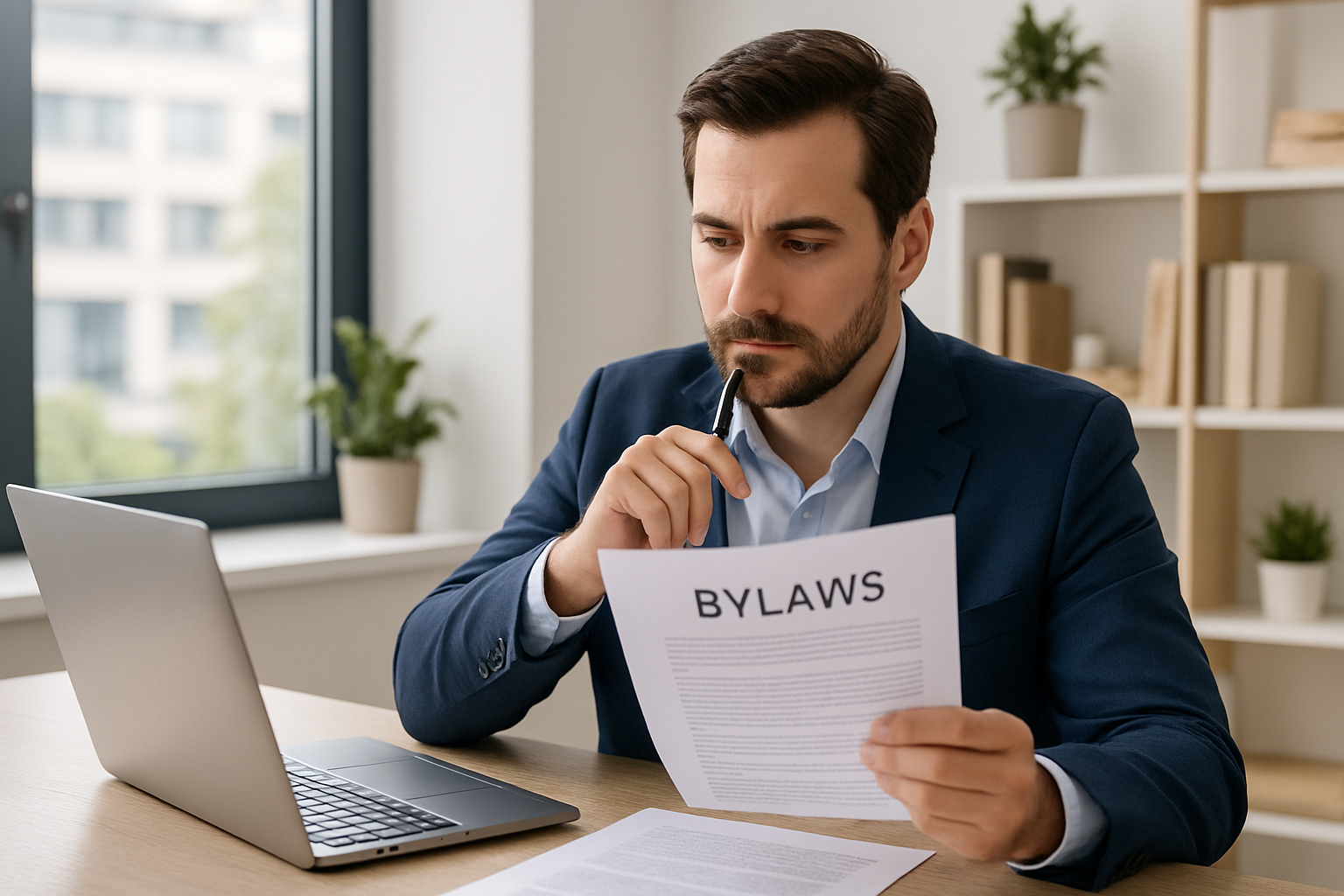
Collecting input from board members is a crucial step in the process of changing nonprofit bylaws. Engaging board members ensures that diverse perspectives are considered, leading to more comprehensive and effective changes. Organizing a meeting or workshop can provide a platform for open discussion about the current bylaws and potential amendments.
During these discussions, it’s helpful to encourage members to voice their concerns and suggestions. This collaborative approach fosters a sense of ownership among board members, making them more likely to support the proposed changes. Additionally, documenting feedback helps create a clear understanding of the rationale behind each amendment, which can be beneficial during the approval process.
Step 2: Draft Proposed Changes
After gathering input, the next step is to draft the proposed changes to the bylaws. This document should reflect the collective insights and suggestions from board members while addressing the identified areas needing modification. It’s important to ensure that the proposed changes align with the organization’s mission and comply with any relevant laws.
When drafting, consider organizing the changes by section for clarity. This structured approach makes it easier for board members to review and understand the modifications. Additionally, having a legal expert review the draft can help catch any potential issues before presenting the changes to the entire board.
Use Clear and Simple Language
When drafting proposed changes, using clear and simple language is essential. Legal jargon or overly complex terms can lead to misunderstandings and confusion among board members and stakeholders. The goal is to create a document that everyone can easily comprehend, ensuring that all members are on the same page.
Consider using straightforward phrases and direct sentences to convey ideas effectively. For example, instead of saying “the board shall convene,” simply state “the board will meet.” This clarity not only facilitates better communication but also encourages engagement from board members during the review process, making it easier for them to provide meaningful feedback on the proposed changes.
Ensure Compliance with State Laws
Ensuring compliance with state laws is a critical step when drafting proposed changes to nonprofit bylaws. Each state has specific regulations governing nonprofit organizations, and failure to adhere to these laws can lead to legal issues or challenges down the line. It’s essential to familiarize yourself with your state’s requirements regarding bylaws, including any mandatory provisions that must be included.
Consulting with a legal expert who specializes in nonprofit law can provide valuable insights into what needs to be addressed in your bylaws. This expert can help identify any potential conflicts between your proposed changes and state regulations, ensuring that the updated bylaws are compliant. By prioritizing legal compliance, nonprofits can safeguard their operations and maintain their good standing.
Step 3: Present Changes to the Board
Once the proposed changes have been drafted and reviewed for compliance, it’s time to present them to the board. This presentation is an opportunity to explain the rationale behind the amendments and address any questions or concerns from board members. A well-structured presentation can facilitate a productive discussion and encourage buy-in from all members.
It’s beneficial to provide board members with copies of the proposed changes in advance of the meeting. This allows them to review the document and come prepared with feedback or suggestions. Engaging in open dialogue during the presentation fosters a collaborative atmosphere, making it easier to reach consensus on the proposed changes.
Schedule a Meeting for Discussion
Scheduling a meeting for discussion is a crucial step in the process of changing nonprofit bylaws. This meeting should be planned at a time that accommodates as many board members as possible, ensuring full participation. Clear communication about the purpose of the meeting and the importance of the proposed changes helps set the tone for a constructive conversation.
During the meeting, it’s important to create an environment where members feel comfortable sharing their thoughts. Encouraging questions and addressing concerns openly can lead to valuable insights and further refinements of the proposed changes. Keeping the meeting focused and organized will help ensure that all necessary points are covered, ultimately leading to a more efficient decision-making process.

Encourage Open Dialogue
Encouraging open dialogue during the meeting is essential for a successful discussion of the proposed changes to the bylaws. Creating an environment where board members feel comfortable expressing their opinions fosters collaboration and helps ensure that all perspectives are considered. To facilitate this, the chairperson or facilitator should actively invite questions and comments throughout the presentation.
Utilizing techniques such as round-robin discussions or small group breakout sessions can help engage quieter members and promote a more inclusive conversation. By allowing everyone to share their thoughts, the board can identify potential concerns and reach a consensus on the proposed changes. This collaborative approach not only strengthens the bylaws but also builds trust and camaraderie among board members.
Step 4: Vote on Proposed Changes
Once the discussion has concluded, it’s time for the board to vote on the proposed changes to the bylaws. This step is crucial, as it solidifies the amendments and ensures that the organization operates under the updated rules moving forward. Voting should be conducted in a fair and transparent manner, following the procedures outlined in the existing bylaws.
It’s important to clearly communicate the voting process to all board members before the meeting. This includes explaining how votes will be cast—whether by show of hands, secret ballot, or another method. Ensuring that everyone understands the process helps maintain order and encourages participation in the decision-making.
Understand Voting Requirements
Understanding the voting requirements is vital for successfully amending nonprofit bylaws. Each organization’s current bylaws should specify the necessary quorum and voting thresholds to approve changes. Typically, a majority vote is required, but some organizations may have stricter requirements, such as a two-thirds vote.
Before the meeting, it’s essential to review these requirements with board members to avoid confusion during the voting process. Ensuring that the required number of members is present will help validate the results. Following the established voting procedures not only upholds the integrity of the process but also reinforces the importance of governance and accountability within the organization.
Document the Voting Process
Documenting the voting process is essential for maintaining transparency and accountability within the organization. After the board votes on the proposed changes to the bylaws, it’s important to record the results, including how many members voted for, against, or abstained from the motion. This documentation serves as an official record of the decision-making process and can be referenced in the future if needed.
The minutes of the meeting should include details about the voting procedure, the names of board members present, and any discussions that took place prior to the vote. Keeping accurate records helps ensure that the organization adheres to its governance practices and provides a clear history of decisions made regarding the bylaws.
Step 5: Update Official Records
After successfully voting on the proposed changes, the next step is to update the official records of the nonprofit. This involves amending the bylaws document to reflect the approved changes and ensuring that all relevant parties have access to the updated version. Keeping accurate and current records is crucial for effective governance and compliance with legal requirements.
Additionally, organizations should communicate the updated bylaws to all stakeholders, including board members, staff, and volunteers. This ensures that everyone is aware of the changes and understands their implications. Regularly updating official records fosters a culture of transparency and helps maintain trust within the organization.
File Changes with the State
Filing changes with the state is a critical step in the process of updating nonprofit bylaws. Many states require nonprofits to submit their amended bylaws to maintain compliance with state regulations. This filing typically involves submitting a form along with a copy of the updated bylaws, and there may be associated fees.
It’s important to check the specific requirements for your state, as they can vary significantly. Failing to file the changes could result in penalties or complications with the organization’s legal status. By proactively filing the changes, nonprofits can ensure that their operations remain compliant and that they uphold their commitment to good governance.

Notify Stakeholders of the Changes
Notifying stakeholders of the changes to the bylaws is an essential final step in the amendment process. This communication ensures that everyone involved with the nonprofit, including board members, staff, volunteers, and donors, is aware of the updates and understands their implications. Clear communication fosters transparency and helps maintain trust within the organization.
When notifying stakeholders, it’s beneficial to provide a summary of the changes along with the updated bylaws. This can be done through emails, newsletters, or meetings, depending on the preferences of the organization. Including a brief explanation of why the changes were made can also help stakeholders appreciate the rationale behind the amendments. By keeping everyone informed, nonprofits can promote a culture of engagement and collaboration, further strengthening their mission and community support.
Common Mistakes to Avoid When Changing Bylaws
Changing bylaws can be a complex process, and nonprofits must navigate this carefully to avoid common pitfalls. Understanding these mistakes can help organizations ensure that their amendments are effective and compliant with legal standards. Being aware of potential missteps allows nonprofits to implement changes smoothly while maintaining good governance.
Ignoring Legal Requirements
One of the most significant mistakes nonprofits can make when changing bylaws is ignoring legal requirements. Each state has specific laws governing nonprofit organizations, including regulations about what must be included in bylaws and how changes should be made. Failing to comply with these legal standards can result in serious consequences, including penalties or loss of nonprofit status.
To avoid this mistake, nonprofits should consult legal experts familiar with nonprofit law in their state before making any changes. This ensures that all amendments are compliant and that the organization remains in good standing. By prioritizing legal requirements, nonprofits can protect themselves and maintain their credibility in the community.
Failing to Communicate Changes
Another common mistake is failing to communicate changes effectively to stakeholders. Once bylaws have been amended, it’s crucial to inform all relevant parties, including board members, staff, and volunteers. Lack of communication can lead to confusion and misunderstandings about roles, responsibilities, and governance practices.
To prevent this issue, nonprofits should create a clear communication plan that outlines how and when stakeholders will be informed of the changes. Providing a summary of the amendments along with the updated bylaws can help ensure that everyone understands the modifications. Open communication promotes transparency and trust within the organization, ultimately supporting its mission and goals.

Not Keeping Records
Failing to keep accurate records during the process of changing bylaws is a significant oversight that many nonprofits make. Documenting every step, from the initial review of existing bylaws to the final voting results, is essential for maintaining transparency and accountability. Without proper records, organizations may struggle to demonstrate compliance with legal requirements or to provide clarity in future discussions.
To avoid this mistake, nonprofits should establish a systematic approach to record-keeping throughout the amendment process. This includes maintaining detailed minutes of meetings, documenting feedback from board members, and preserving copies of all drafts and final versions of the bylaws. By keeping thorough records, organizations can ensure that they have a clear history of decisions made, which can be invaluable for audits, legal inquiries, or internal reviews. This practice not only supports good governance but also builds trust among stakeholders by demonstrating a commitment to transparency and accountability.
Conclusion
Updating nonprofit bylaws is a vital process that ensures organizations remain compliant, effective, and aligned with their mission. By following the steps outlined in this guide, nonprofits can navigate the complexities of amending their bylaws with confidence. Regularly reviewing and updating bylaws not only enhances governance practices but also strengthens the organization’s foundation for future growth.
The Benefits of Updating Bylaws Regularly
Regularly updating bylaws offers numerous benefits to nonprofit organizations. First, it helps ensure compliance with changing laws and regulations, protecting the organization from potential legal issues. Additionally, updated bylaws reflect the current structure and needs of the organization, which can improve decision-making and operational efficiency.
Moreover, keeping bylaws current fosters trust among stakeholders, as it demonstrates a commitment to transparency and good governance. Engaging board members and stakeholders in the amendment process encourages collaboration and investment in the organization’s future. Ultimately, regular updates help nonprofits stay agile and responsive to changes in their environment, allowing them to better fulfill their missions.
Encouraging a Culture of Transparency
Encouraging a culture of transparency within a nonprofit is essential for building trust and fostering engagement among stakeholders. When organizations openly communicate about changes to bylaws and governance practices, they create an environment where members feel valued and informed. This transparency promotes accountability and helps ensure that everyone understands their roles and responsibilities.
To cultivate this culture, nonprofits should prioritize clear communication at all levels, from the board to staff and volunteers. Regular updates about bylaws and organizational changes can be shared through meetings, newsletters, or emails. By actively involving stakeholders in discussions and decisions, nonprofits can strengthen relationships and enhance their overall effectiveness.

Frequently Asked Questions (FAQ)
Can a non-profit change their bylaws?
Yes, a nonprofit can change its bylaws. Organizations often need to adapt their bylaws to reflect new laws, organizational changes, or improvements in governance practices. The process typically involves reviewing the current bylaws, drafting proposed changes, and obtaining approval from the board. By following the proper procedures, nonprofits can ensure that their bylaws remain relevant and effective.
Do you need a lawyer to change bylaws?
While it is not always necessary to hire a lawyer to change bylaws, consulting with one is highly recommended. A legal expert can provide guidance on state regulations and ensure that the proposed amendments comply with legal requirements. This consultation helps prevent potential issues that could arise from non-compliance, making it a wise investment for any nonprofit organization.
What is the difference between amending and revising bylaws?
Amending and revising bylaws are often used interchangeably, but there are subtle differences. Amending refers to making specific changes to existing bylaws, such as altering a section or adding new provisions. In contrast, revising usually implies a more comprehensive overhaul of the entire document. Both processes aim to improve the effectiveness and relevance of the bylaws, but the scope of changes distinguishes the two terms.
What makes bylaws invalid?
Bylaws can become invalid for several reasons. Common issues include failing to comply with state laws or regulations, having conflicting provisions, or not following the proper amendment process outlined in the existing bylaws. Additionally, if the bylaws are not properly documented or communicated to stakeholders, they may be considered unenforceable. To avoid these pitfalls, nonprofits should ensure that their bylaws are clear, compliant, and regularly updated.
By addressing these questions, nonprofits can better navigate the complexities of changing their bylaws and foster a culture of transparency and good governance. For more information on best practices for nonprofits, you can explore resources related to nonprofit governance and effective communication strategies.