

Managing a nonprofit can be a tough job. Many organizations struggle with limited resources, making effective project management crucial. Without a solid plan, projects can fall flat, wasting time and money. However, with the right strategies, nonprofits can thrive and achieve their goals. This post shares essential tips for non profit project management that can help organizations succeed.
- Learn what non profit project management is and why it matters.
- Discover how to set clear goals and build strong teams.
- Find out how to create detailed plans and utilize technology effectively.
- Understand the importance of monitoring progress and engaging stakeholders.
- Evaluate projects to learn and improve for the future.
Understanding Non Profit Project Management
Non profit project management refers to the specific strategies and processes used by nonprofit organizations to plan, execute, and oversee projects. Unlike traditional project management, which often focuses on profit-driven outcomes, nonprofit project management emphasizes social impact. This approach involves setting objectives that align with the organization’s mission while managing resources efficiently. By understanding this unique framework, organizations can better navigate challenges and enhance their effectiveness in serving their communities.
What is Non Profit Project Management?
At its core, non profit project management involves coordinating various tasks to achieve a specific goal within a nonprofit context. This includes planning, executing, and evaluating projects that support the organization’s mission. For example, a nonprofit may launch a fundraising campaign to support a local shelter. Project management ensures that all steps, from marketing to donor engagement, are handled efficiently.
Effective project management helps nonprofits maximize their impact by ensuring that resources are allocated wisely. It also allows for better communication among team members, volunteers, and stakeholders, fostering a collaborative environment. By focusing on clear goals and structured processes, nonprofits can achieve meaningful results.
Importance of Non Profit Project Management
The significance of non profit project management cannot be overstated. First, it helps organizations stay organized, ensuring that all tasks are completed on time and within budget. This structured approach minimizes the risk of overspending or missing deadlines, which can be detrimental to a nonprofit’s reputation and effectiveness.
Moreover, effective project management enhances accountability. When everyone knows their roles and responsibilities, it fosters a sense of ownership among team members. This leads to increased motivation and better performance. As nonprofit leader John Smith once said, “Clear roles lead to clear results.” Ultimately, strong project management practices empower nonprofits to make a lasting impact in their communities.
Tip 1: Set Clear Goals for Your Project
Setting clear goals is the foundation of effective non profit project management. Without defined objectives, projects can become unfocused and lead to wasted resources. Clear goals help guide the team in the right direction, ensuring that everyone understands what they are working toward. By having specific targets, nonprofits can measure their success and adjust their strategies as needed. This clarity not only keeps the team aligned but also inspires confidence in stakeholders, showing them that the organization is committed to achieving its mission.
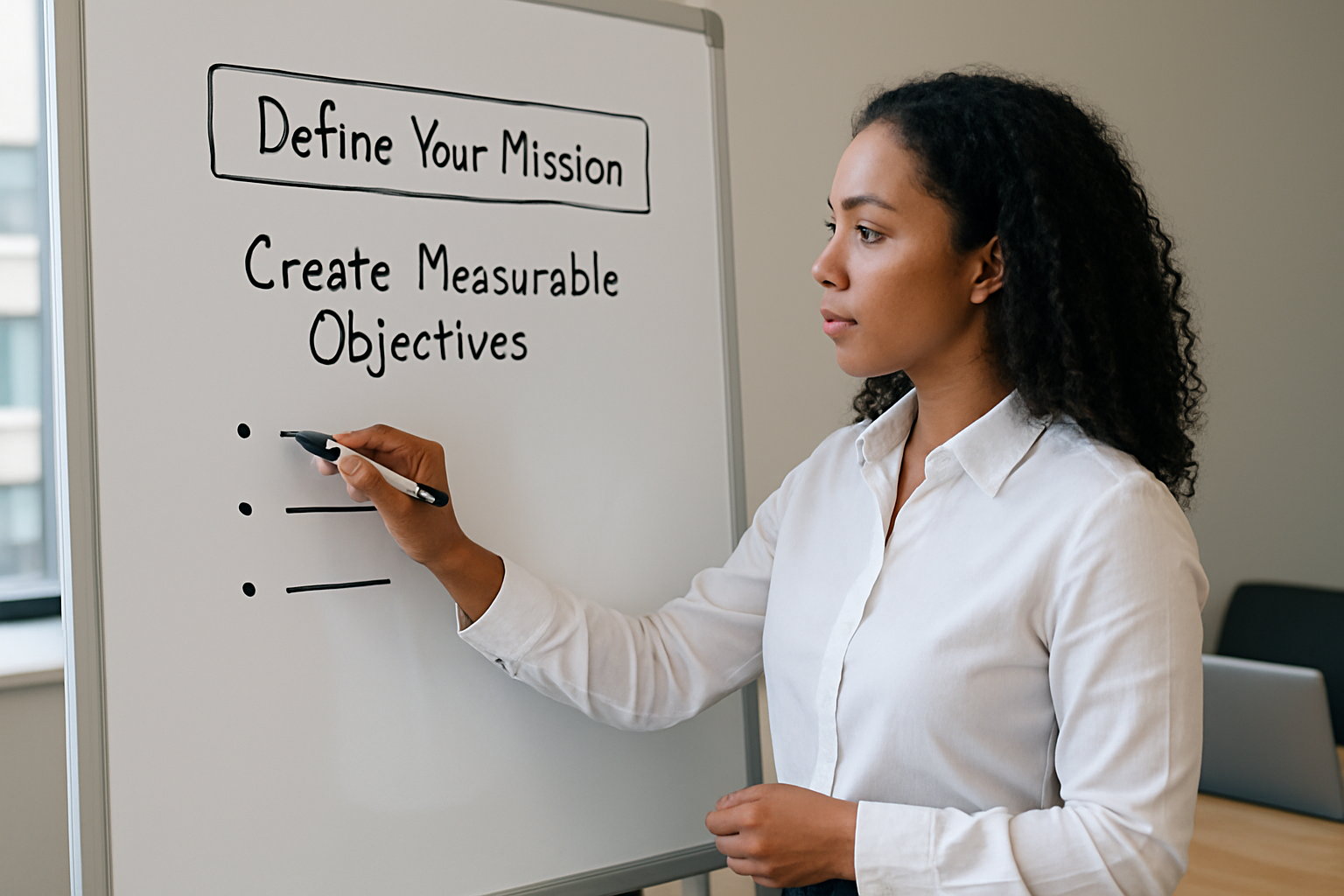
Define Your Mission
Defining your mission is the first step in setting clear goals. A mission statement articulates the purpose of the nonprofit and serves as a guiding light for all projects. For instance, if a nonprofit’s mission is to provide education to underprivileged children, all project goals should align with this aim. This focus helps prioritize initiatives that truly matter.
When crafting a mission statement, it’s essential to keep it concise and impactful. The clearer the mission, the easier it will be to develop specific goals. A well-defined mission fosters unity among team members and provides a framework for decision-making, ensuring that all efforts contribute to the nonprofit’s overall vision.
Create Measurable Objectives
Once the mission is defined, the next step is to create measurable objectives. These objectives should be specific, achievable, relevant, and time-bound (SMART). For example, instead of saying, “We want to raise funds,” a measurable objective would be, “We aim to raise $10,000 for educational supplies by December 31.”
Measurable objectives allow nonprofits to track progress and assess outcomes effectively. They provide a clear roadmap for the team, making it easier to evaluate success. Regularly reviewing these objectives helps organizations stay on course and adjust strategies as needed, ensuring that they remain focused on their mission while maximizing their impact.
Tip 2: Build a Strong Team
Building a strong team is crucial for successful non profit project management. A well-rounded team brings diverse skills and perspectives, which can enhance creativity and problem-solving. When team members feel valued and connected, they are more likely to contribute effectively toward the project’s goals. Investing time in team building not only strengthens relationships but also boosts morale, leading to improved productivity.
To create a strong team, nonprofits should focus on selecting individuals who share the organization’s mission and values. By fostering an environment of trust and respect, organizations can empower their teams to work collaboratively and achieve greater results.
Identify Key Roles
Identifying key roles within the team is essential for effective project execution. Each member should have a clear understanding of their responsibilities, which helps avoid confusion and overlapping tasks. For example, a nonprofit might designate a project manager to oversee the timeline, a fundraiser to handle donations, and a communications officer to manage outreach efforts.
By clearly defining roles, nonprofits can ensure that everyone knows what is expected of them. This clarity allows team members to focus on their specific tasks while supporting one another in achieving the overall project goals. Additionally, recognizing individual strengths and assigning roles accordingly can lead to a more efficient and harmonious working environment.
Foster Collaboration and Communication
Fostering collaboration and communication is vital for a successful team dynamic. Regular check-ins and open dialogue help keep everyone aligned and informed about project progress. Tools like Slack or Trello can facilitate communication, making it easier for team members to share updates and feedback.
Encouraging collaboration allows team members to leverage each other’s strengths and expertise. For example, brainstorming sessions can generate innovative ideas and solutions, enhancing the overall quality of the project. By creating an environment where everyone feels comfortable sharing their thoughts, nonprofits can build a culture of teamwork that drives success in their non profit project management efforts.
Tip 3: Create a Detailed Plan
Creating a detailed plan is essential for effective non profit project management. A well-structured plan serves as a roadmap, guiding the team through each phase of the project. It helps clarify what needs to be done, who will do it, and when it should be completed. Without a solid plan, projects can quickly become chaotic, leading to missed deadlines and wasted resources.
By taking the time to develop a comprehensive plan, nonprofits can ensure that all aspects of the project are considered. This proactive approach allows teams to anticipate challenges and strategize solutions, ultimately increasing the likelihood of success.

Outline Tasks and Responsibilities
Outlining tasks and responsibilities is a critical component of a detailed project plan. Breaking down the project into smaller, manageable tasks makes it easier to assign specific duties to team members. For instance, if a nonprofit is organizing an event, tasks might include securing a venue, coordinating volunteers, and promoting the event.
By clearly defining who is responsible for each task, teams can hold individuals accountable and track progress more effectively. This structure not only enhances efficiency but also minimizes the risk of tasks falling through the cracks. Regularly reviewing the task list ensures that everyone stays on track and can adjust as needed.
Set Realistic Timelines
Setting realistic timelines is vital for keeping the project on schedule. When creating a timeline, it’s important to consider the complexity of each task and the resources available. For example, if a nonprofit is launching a marketing campaign, they should allow sufficient time for research, content creation, and distribution.
Unrealistic deadlines can lead to stress and burnout among team members, which may negatively impact the project’s quality. By setting achievable timelines, nonprofits can maintain a steady pace while ensuring that tasks are completed thoroughly. Regularly revisiting the timeline allows teams to make adjustments as necessary, keeping the project aligned with its goals.
Tip 4: Utilize Technology Effectively
Utilizing technology effectively is a game-changer in non profit project management. With the right tools, nonprofits can streamline their processes, enhance communication, and improve overall efficiency. Technology helps teams stay organized and ensures that everyone has access to the information they need, when they need it. By embracing digital solutions, nonprofits can focus more on their mission and less on administrative tasks.
In today’s fast-paced environment, leveraging technology can significantly boost productivity. From project management software to communication platforms, the right tech tools can transform how teams collaborate and execute projects.
Tools for Non Profit Project Management
There are several tools available specifically designed for non profit project management. Popular options include:
Trello: This user-friendly tool allows teams to create boards for different projects, making it easy to assign tasks and track progress.
Asana: Known for its flexibility, Asana helps teams manage tasks, timelines, and responsibilities all in one place.
Slack: A communication platform that enables real-time messaging and file sharing, keeping team members connected and informed.
Google Workspace: Offers a suite of tools like Google Docs and Sheets that facilitate collaboration and document sharing.
By incorporating these tools, nonprofits can enhance their workflow and ensure that everyone stays on the same page. The right technology not only improves efficiency but also fosters a culture of collaboration and accountability.
Benefits of Digital Solutions
The benefits of digital solutions in non profit project management are numerous. First, they save time by automating routine tasks, allowing team members to focus on more strategic initiatives. For example, automated reminders can help keep deadlines in check, reducing the risk of missed tasks.
Second, digital solutions enhance transparency. Teams can easily track progress and share updates, which fosters trust among team members and stakeholders. Additionally, many tools offer analytics features that provide valuable insights into project performance, helping organizations make data-driven decisions.
Finally, using technology can improve donor engagement. Platforms that streamline communication and reporting can help nonprofits showcase their impact, ultimately attracting more support. Embracing digital solutions is essential for nonprofits aiming to maximize their effectiveness and achieve their goals.
Tip 5: Monitor Progress Regularly
Monitoring progress regularly is a vital aspect of effective non profit project management. Keeping track of how a project is advancing helps ensure that it stays on course and meets its objectives. Regular monitoring allows teams to identify potential issues early, enabling them to make necessary adjustments before problems escalate. This proactive approach is essential for maintaining momentum and ensuring that resources are used efficiently.
By establishing a routine for checking in on progress, nonprofits can foster accountability among team members. This practice not only keeps the project aligned with its goals but also encourages open communication, allowing for timely feedback and collaboration.

Establish Checkpoints
Establishing checkpoints throughout the project timeline is crucial for effective monitoring. These checkpoints serve as milestones that allow teams to assess their progress against the established goals. For example, a nonprofit planning a community event might set checkpoints for securing a venue, finalizing the guest list, and launching marketing efforts.
By scheduling regular reviews, teams can evaluate what’s working and what isn’t. This structured approach helps keep everyone accountable and focused on their tasks. Additionally, it provides an opportunity for team members to share insights and celebrate achievements, fostering a positive and motivated work environment.
Adjust Plans as Needed
Adjusting plans as needed is an important part of the monitoring process. No project goes exactly as planned, and being flexible is key to overcoming challenges. If a checkpoint reveals that a task is falling behind schedule, the team may need to reallocate resources or adjust timelines to stay on track.
Being open to change allows nonprofits to respond effectively to unforeseen circumstances. For instance, if fundraising efforts are not meeting expectations, a nonprofit might pivot its strategy to include new outreach methods. Regularly revisiting and adjusting plans ensures that organizations remain agile and continue to work toward their mission, even when faced with obstacles.
Tip 6: Engage with Stakeholders
Engaging with stakeholders is a critical component of successful non profit project management. Stakeholders include anyone who has an interest in the project, such as donors, volunteers, community members, and beneficiaries. By actively involving these individuals, nonprofits can gain valuable insights, foster collaboration, and build stronger relationships. Engaging stakeholders not only enhances transparency but also helps cultivate a sense of ownership and commitment to the project.
When stakeholders feel valued and included, they are more likely to support the organization’s mission. This support can manifest as increased donations, volunteer participation, or positive word-of-mouth, all of which contribute to the overall success of the nonprofit.
Importance of Stakeholder Involvement
The importance of stakeholder involvement cannot be overstated. Engaging stakeholders ensures that their perspectives and needs are considered throughout the project. For example, involving community members in planning a service program can lead to more relevant and effective initiatives.
Additionally, stakeholder involvement can enhance accountability. When stakeholders are informed and engaged, they are more likely to hold the organization accountable for its actions. This transparency builds trust and strengthens the nonprofit’s reputation within the community. Ultimately, involving stakeholders leads to better decision-making and more impactful outcomes, aligning projects closely with the needs of those they serve.
Strategies for Effective Engagement
Implementing strategies for effective engagement can significantly enhance stakeholder involvement. First, regular communication is key. Keeping stakeholders informed about project updates, challenges, and successes fosters a sense of connection. Newsletters, social media updates, and community meetings are great ways to maintain open lines of communication.
Second, actively seeking feedback is essential. Encouraging stakeholders to share their thoughts and suggestions demonstrates that their opinions matter. This can be done through surveys, focus groups, or informal discussions.
Lastly, recognizing and celebrating stakeholder contributions can strengthen relationships. Acknowledging volunteers, donors, and community partners for their support creates a positive atmosphere and encourages continued involvement. By employing these strategies, nonprofits can cultivate strong partnerships that enhance their non profit project management efforts.
Tip 7: Evaluate and Reflect
Evaluating and reflecting on projects is a crucial step in non profit project management. This process allows organizations to assess their performance and identify areas for improvement. By taking the time to analyze what worked well and what didn’t, nonprofits can refine their strategies for future projects. This continuous learning approach not only enhances effectiveness but also fosters a culture of growth within the organization.
Regular evaluation helps teams celebrate their achievements while also recognizing challenges. This balanced perspective promotes accountability and encourages team members to strive for excellence in their future endeavors.

Conduct Post-Project Reviews
Conducting post-project reviews is an essential practice for nonprofits. These reviews involve gathering the team to discuss the project’s outcomes, processes, and overall effectiveness. For instance, after organizing a fundraising event, the team can analyze attendance numbers, funds raised, and participant feedback.
During this review, it is important to document key findings and insights. This information serves as a valuable resource for future projects, helping teams avoid repeating mistakes and replicate successes. Engaging all team members in the review process encourages diverse perspectives and fosters a sense of ownership over the project’s outcomes.
Learn from Successes and Challenges
Learning from both successes and challenges is vital for continuous improvement in non profit project management. Celebrating successes reinforces positive behaviors and strategies that contributed to the project’s achievements. For example, if a specific marketing tactic led to higher donor engagement, this approach can be replicated in future campaigns.
Conversely, analyzing challenges provides an opportunity for growth. If a particular strategy failed to yield results, understanding why can help teams adapt and innovate. By fostering an environment that values learning from every experience, nonprofits can build resilience and enhance their capacity to make a lasting impact in their communities.
FAQ
What does a nonprofit project manager do?
A nonprofit project manager plays a crucial role in overseeing projects from start to finish. They are responsible for planning, executing, and monitoring project activities while ensuring that they align with the organization’s mission. This includes coordinating team members, managing budgets, and communicating with stakeholders. Essentially, a nonprofit project manager ensures that all aspects of a project run smoothly and effectively, maximizing impact while minimizing costs.
What are the 5 C’s of project management?
The 5 C’s of project management are Clear objectives, Communication, Collaboration, Commitment, and Control. These elements are essential for successful project execution, especially in a nonprofit setting. Clear objectives help define the project’s goals, while effective communication keeps everyone informed. Collaboration fosters teamwork, commitment ensures accountability, and control involves monitoring progress and making necessary adjustments. By focusing on these 5 C’s, nonprofits can enhance their project management efforts.
What is the highest paying job in a non-profit?
The highest paying job in a nonprofit organization is typically the Executive Director or CEO. These leaders are responsible for the overall strategic direction and management of the organization. They work closely with the board of directors and play a vital role in fundraising, stakeholder engagement, and community relations. According to data from various sources, salaries for nonprofit CEOs can vary widely based on the organization’s size and location, but they often command competitive compensation packages.
What is a reasonable salary for a nonprofit CEO?
A reasonable salary for a nonprofit CEO depends on several factors, including the organization’s size, budget, and geographic location. On average, nonprofit CEOs earn between $70,000 and $150,000 per year. Larger organizations or those based in high-cost areas may offer higher salaries. It’s important for nonprofits to ensure that their compensation packages are competitive yet sustainable, aligning with their mission and values while attracting talented leaders.
By addressing these questions, nonprofits can better understand the landscape of project management and leadership within their organizations. For more insights on how to grow a nonprofit organization or strategies for effective storytelling, check out how to grow a nonprofit organization and the power of AI storytelling.