
Nonprofit organizations often face challenges in governance and compliance. Without clear guidelines, misunderstandings can arise, leading to conflicts and inefficiencies. NONPROFIT BYLAWS serve as the backbone of an organization, outlining how it operates and making sure everyone is on the same page. By understanding these bylaws, nonprofits can avoid pitfalls and enhance their chances of success.
- Definition: Learn what NONPROFIT BYLAWS are and their key components.
- Significance: Discover why having strong NONPROFIT BYLAWS is crucial for organizational health.
- Structure: Understand how to structure your bylaws effectively for clarity and compliance.
Understanding NONPROFIT BYLAWS
NONPROFIT BYLAWS are the rules that govern how a nonprofit organization operates. They outline the framework for decision-making, member roles, and overall governance. These bylaws are essential because they provide clarity on how the organization should function, ensuring all members understand their responsibilities. Additionally, they help maintain compliance with state and federal laws, protecting the organization from legal issues.
In essence, NONPROFIT BYLAWS are not just formalities; they are vital documents that guide the organization’s mission and operations. Having well-defined bylaws can prevent confusion and promote transparency among stakeholders.
What Are NONPROFIT BYLAWS?
NONPROFIT BYLAWS are formal documents that specify the internal rules and procedures of a nonprofit organization. They typically include sections on membership, board structure, meeting protocols, and voting rights. These bylaws serve as a roadmap, detailing how decisions are made and how the organization is governed.
For example, a nonprofit might specify that its board of directors must meet quarterly, ensuring regular oversight and accountability. Moreover, bylaws can address how new members join or how existing members can be removed. By clearly defining these processes, nonprofits can operate smoothly and avoid potential conflicts.
Importance of NONPROFIT BYLAWS
The significance of NONPROFIT BYLAWS cannot be overstated. First and foremost, they ensure legal compliance, which is crucial for maintaining tax-exempt status. Without proper bylaws, an organization may face penalties or lose its nonprofit designation altogether.
Additionally, having clear bylaws fosters trust among stakeholders. When everyone knows the rules, it minimizes misunderstandings and conflicts. This clarity can lead to better collaboration and a more cohesive team. As nonprofit consultant Jane Smith states, “Having strong bylaws is like having a solid foundation for a house; without it, everything can crumble.” Thus, investing time in crafting effective NONPROFIT BYLAWS pays off in the long run.
Key Elements of NONPROFIT BYLAWS
When creating NONPROFIT BYLAWS, certain key elements must be included to ensure clarity and functionality. These elements provide a solid framework for how the organization operates. Typically, bylaws should contain sections on the purpose statement, membership guidelines, board structure, meeting procedures, and voting rights. Each element plays a critical role in guiding the organization’s activities and maintaining legal compliance.
For instance, a well-defined purpose statement sets the mission and vision, while clear membership guidelines establish who can join and how they can participate. By incorporating these essential components, nonprofits can create a strong foundation for successful governance.
Purpose Statement in NONPROFIT BYLAWS
The purpose statement is a crucial part of NONPROFIT BYLAWS. It clearly defines the mission and objectives of the organization, serving as a guiding principle for all activities. This statement should articulate what the nonprofit aims to achieve and the impact it seeks to make in the community.
For example, a nonprofit focused on environmental conservation might state, “Our purpose is to promote sustainable practices and educate the public on environmental issues.” A well-crafted purpose statement not only inspires members but also helps attract donors and volunteers who share similar values.
Membership Guidelines in NONPROFIT BYLAWS
Membership guidelines are another vital component of NONPROFIT BYLAWS. These guidelines outline who can become a member, the application process, and any requirements for joining. Clear membership criteria help ensure that the organization attracts individuals who are committed to its mission.
For instance, a nonprofit might specify that members must attend a certain number of meetings annually or contribute a specific amount to remain active. Additionally, these guidelines can address how members can resign or be removed from the organization. By establishing clear membership rules, nonprofits can foster a sense of belonging and accountability among their members.
Board of Directors Structure in NONPROFIT BYLAWS
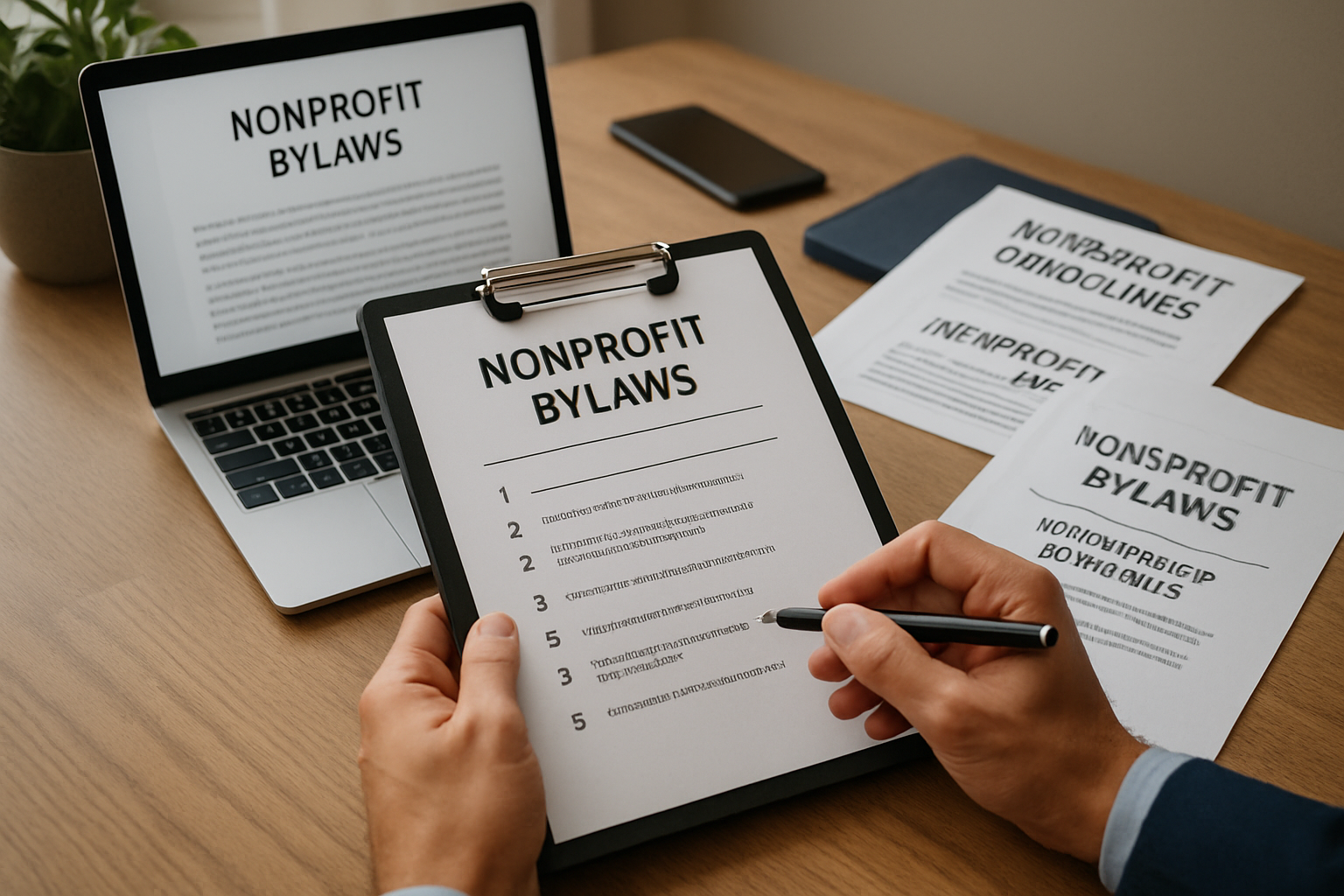
The board of directors is a critical component of any nonprofit organization, and defining its structure in the NONPROFIT BYLAWS is essential. This section should outline how many members are on the board, their roles, and how they are elected or appointed. A well-structured board can provide effective governance and strategic direction for the organization.
For example, bylaws might specify that the board consists of seven members, including a president, vice president, treasurer, and secretary. Additionally, the bylaws should detail the term lengths for board members and any eligibility requirements. Clear guidelines help ensure that the board operates smoothly and that members understand their responsibilities, ultimately leading to better decision-making and organizational success.
Essential Provisions in NONPROFIT BYLAWS
Essential provisions in NONPROFIT BYLAWS provide the necessary guidelines for how the organization will operate on a day-to-day basis. These provisions typically include meeting procedures, voting rights, and amendment processes. By clearly defining these areas, nonprofits can ensure smooth operations and effective governance.
Including detailed provisions helps prevent misunderstandings among members and establishes a framework for accountability. For instance, outlining how meetings are scheduled and conducted allows for better participation and engagement. Overall, these essential provisions are vital for maintaining order and transparency within the organization.
Meeting Procedures in NONPROFIT BYLAWS
Meeting procedures are a fundamental aspect of NONPROFIT BYLAWS. This section should specify how often meetings will take place, how they will be announced, and what constitutes a quorum for decision-making. Clear meeting procedures help ensure that all members have the opportunity to participate and contribute to discussions.
For example, bylaws might state that regular meetings occur monthly, with a notice sent out at least two weeks in advance. Additionally, they may require that a quorum consists of a majority of board members present. By establishing these procedures, nonprofits can facilitate effective communication and collaboration among their members.
Voting Rights and Procedures in NONPROFIT BYLAWS
Voting rights and procedures are critical components of NONPROFIT BYLAWS. This section should outline who has the right to vote, the voting process, and the requirements for passing resolutions. Clearly defined voting procedures help ensure fairness and transparency in decision-making.
For instance, bylaws might specify that each member has one vote and that decisions are made by a simple majority. Additionally, they could include provisions for absentee voting or proxy voting if members cannot attend meetings. By detailing these voting rights and procedures, nonprofits can promote active participation and ensure that all voices are heard.
Amendment Process in NONPROFIT BYLAWS
The amendment process in NONPROFIT BYLAWS is crucial for allowing the organization to adapt over time. This section should clearly outline how changes to the bylaws can be proposed, discussed, and approved. A well-defined amendment process ensures that all members have a voice in shaping the organization’s governance.
Typically, the bylaws might state that amendments can be proposed by any board member or through a petition signed by a certain percentage of members. Once proposed, the amendment should be discussed at a designated meeting, with a vote required for approval. For example, a two-thirds majority of those present might be necessary for an amendment to pass. By establishing a clear amendment process, nonprofits can remain flexible and responsive to changing needs while maintaining stability in their governance.
Compliance and Legal Considerations for NONPROFIT BYLAWS
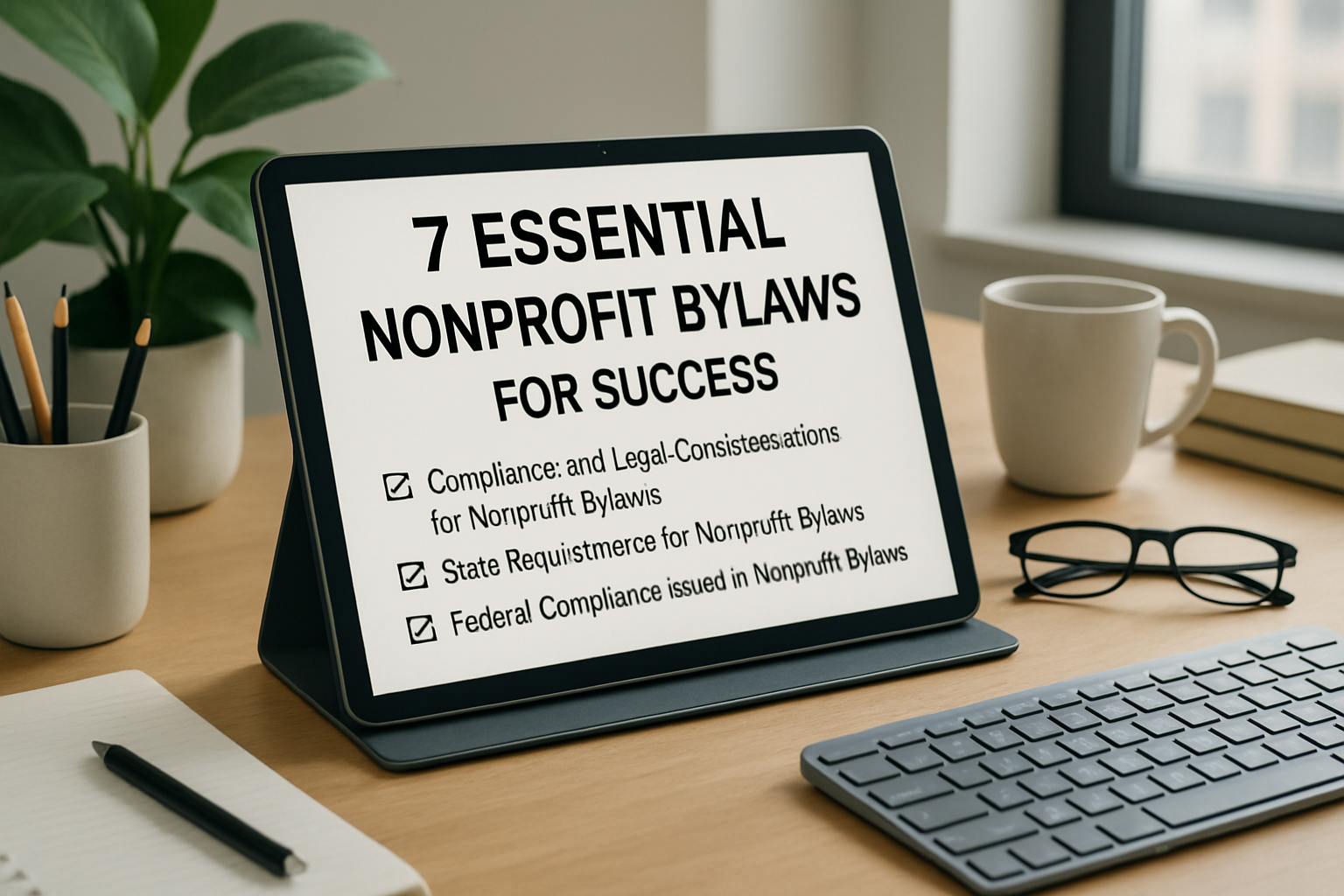
Compliance and legal considerations are vital aspects of NONPROFIT BYLAWS. Ensuring that the bylaws align with both state and federal regulations is crucial for maintaining the organization’s tax-exempt status and avoiding potential legal issues. Nonprofits must be aware of the specific requirements that govern their operations to ensure they remain compliant.
By addressing compliance within the bylaws, organizations can provide clarity on governance and operational procedures. This proactive approach helps protect the nonprofit from legal challenges and fosters trust among stakeholders. Understanding the legal landscape is essential for any nonprofit aiming for long-term success.
State Requirements for NONPROFIT BYLAWS
State requirements for NONPROFIT BYLAWS can vary significantly, making it essential for organizations to familiarize themselves with local laws. Most states have specific guidelines regarding the content and structure of bylaws, including provisions on membership, board composition, and meeting protocols.
For example, some states may require that certain information, such as the nonprofit’s purpose and the process for electing directors, be included in the bylaws. Additionally, there may be requirements for filing the bylaws with the state or making them accessible to members. By adhering to these state requirements, nonprofits can ensure compliance and avoid legal complications.
Federal Compliance Issues in NONPROFIT BYLAWS
Federal compliance issues are another critical consideration for NONPROFIT BYLAWS. Nonprofits must comply with IRS regulations to maintain their tax-exempt status under Section 501(c)(3). This includes ensuring that the bylaws reflect the organization’s charitable purposes and that they do not allow for private inurement or excessive compensation to board members.
Additionally, nonprofits must adhere to federal laws regarding fundraising, reporting, and governance. For instance, organizations must file annual reports with the IRS and comply with the rules governing lobbying and political activities. By incorporating these federal compliance issues into their bylaws, nonprofits can safeguard their operations and maintain their tax-exempt status.
Best Practices for Crafting NONPROFIT BYLAWS
Crafting effective NONPROFIT BYLAWS requires careful consideration and attention to detail. Best practices include involving stakeholders in the drafting process, ensuring clarity and simplicity in language, and regularly reviewing the bylaws to keep them relevant. By following these best practices, nonprofits can create bylaws that serve their needs and promote good governance.
Engaging various stakeholders—such as board members, staff, and volunteers—can lead to a more comprehensive understanding of the organization’s needs. Additionally, using straightforward language helps ensure that all members can easily comprehend the bylaws. By implementing these best practices, nonprofits can establish a solid foundation for their operations.
Engaging Stakeholders in NONPROFIT BYLAWS
Engaging stakeholders in the development of NONPROFIT BYLAWS is crucial for creating a sense of ownership and accountability. By including input from board members, staff, and even volunteers, organizations can gather diverse perspectives that enhance the bylaws’ effectiveness. This collaborative approach fosters transparency and encourages commitment among members.
For example, hosting workshops or meetings where stakeholders can discuss and provide feedback on draft bylaws allows for open dialogue. This engagement not only improves the quality of the bylaws but also strengthens relationships within the organization. Ultimately, when stakeholders feel involved, they are more likely to support and adhere to the established guidelines.
Regular Review of NONPROFIT BYLAWS
Regularly reviewing NONPROFIT BYLAWS is an essential practice for ensuring they remain relevant and effective. As the organization evolves, its needs and circumstances may change, necessitating updates to the bylaws. Establishing a routine review process helps identify areas that require adjustments or enhancements.
Nonprofits should consider scheduling annual reviews of their bylaws to assess compliance with current laws and best practices. During these reviews, organizations can also gather feedback from stakeholders to determine if any changes are needed. By committing to regular reviews, nonprofits can ensure their bylaws continue to support their mission and operational goals effectively.
Conclusion: The Impact of Strong NONPROFIT BYLAWS on Success
Strong NONPROFIT BYLAWS significantly contribute to the success and sustainability of an organization. By establishing clear guidelines for governance, decision-making, and compliance, these bylaws create a solid foundation that fosters transparency and accountability. When nonprofits have well-crafted bylaws, they are better equipped to navigate challenges and seize opportunities.
Moreover, strong bylaws engage stakeholders and promote a sense of ownership among members. This engagement leads to a more cohesive organization, where everyone understands their roles and responsibilities. Ultimately, investing time and effort into developing robust NONPROFIT BYLAWS can enhance the organization’s credibility, attract support, and ensure long-term success.
FAQ
What are the bylaws of a nonprofit?
Bylaws are the internal rules that govern a nonprofit organization. They outline how the organization operates, including membership criteria, board structure, meeting procedures, and voting rights. A well-defined set of bylaws ensures clarity and helps prevent conflicts among members.
Examples. Nonprofit bylaws examples
There are various nonprofit bylaws examples available online that can serve as templates. For instance, many organizations provide sample bylaws tailored to specific types of nonprofits, such as educational or environmental groups. These examples can help guide your organization in crafting its own unique bylaws that meet its specific needs.
Sample Bylaws. Sample bylaws for a nonprofit religious organization
If you’re looking for sample bylaws for a nonprofit religious organization, many resources offer templates designed specifically for faith-based groups. These samples often include provisions related to worship services, member participation, and the role of clergy or leaders. Utilizing these templates can save time and ensure compliance with legal requirements.
How to write bylaws for a non-profit?
When considering how to write bylaws for a nonprofit, start by gathering input from stakeholders to ensure inclusivity. Outline the essential components, such as the purpose statement, membership guidelines, and board structure. Use clear and straightforward language to enhance understanding. Resources like Storly.ai can provide additional guidance on best practices for writing effective bylaws.
What is the 33% rule for nonprofits?
The 33% rule for nonprofits typically refers to the guideline that no more than one-third of the board members should be related to ensure diversity and prevent conflicts of interest. This rule helps maintain objectivity and integrity in decision-making processes, promoting a balanced perspective within the organization.
Are bylaws required in Georgia?
Yes, bylaws are required in Georgia for nonprofit organizations. The state mandates that every nonprofit must have a set of bylaws to govern its operations. These bylaws should be maintained and made available to members, ensuring transparency and adherence to legal standards.
Do bylaws need to be filed with the IRS?
No, bylaws do not need to be filed with the IRS. However, they should be kept on record as part of the organization’s official documents. While the IRS requires other forms and documentation for tax-exempt status, maintaining updated bylaws is crucial for governance and compliance.