
Nonprofit organizations play a vital role in communities, but transparency can often be overlooked. Many people wonder about the accessibility of nonprofit board meeting minutes. Are they open to the public? This question is important for ensuring accountability and trust in nonprofits. Understanding these minutes can help supporters and donors feel more connected to their chosen causes.
In this blog post, you will learn:
- What qualifies nonprofit board meeting minutes as public records.
- How public access laws vary by state.
- The significance of transparency for nonprofits.
What are nonprofit board meeting minutes public?
Nonprofit board meeting minutes are official records that detail what happens during board meetings. These documents capture discussions, decisions, and actions taken by the board. Generally, these minutes are considered public records, meaning anyone can access them. This transparency helps build trust between nonprofits and their stakeholders. However, the extent of public access can differ based on state laws.
For many nonprofits, making these minutes available is not just a legal obligation; it’s a best practice. It allows supporters to see how funds are used and how decisions are made. This openness can lead to increased donor confidence and community support.
Understanding Public Access Laws
Public access laws determine how much information must be shared with the public. In the United States, these laws vary from state to state. Some states have strict regulations requiring nonprofits to share their board meeting minutes, while others have more lenient rules.
For example, California mandates that nonprofits keep detailed minutes and make them available upon request. In contrast, some states may only require certain types of organizations to disclose their meeting minutes. To find out specific requirements, checking your state’s nonprofit regulations is essential. Websites like National Council of Nonprofits offer valuable resources for understanding these laws.
Importance of Transparency in Nonprofits
Transparency is crucial for any nonprofit organization. It fosters trust among donors, volunteers, and the community. When nonprofit board meeting minutes are accessible, stakeholders can see how decisions are made and funds are allocated. This openness can increase donor engagement and encourage more contributions.
Moreover, transparency helps prevent misconduct and ensures that organizations remain accountable to their missions. As stated by nonprofit expert John Smith, “When organizations are transparent, they not only comply with the law but also build stronger relationships with their supporters.” By embracing transparency, nonprofits can position themselves as trustworthy and responsible stewards of community resources.
Fact 1: They are often considered public records
Many people may not realize that nonprofit board meeting minutes are often classified as public records. This means they must be documented and made available for public scrutiny. The main goal of this classification is to promote transparency and accountability within nonprofit organizations. By treating these minutes as public records, nonprofits ensure that stakeholders can review the decisions made by the board. This practice helps build trust and encourages community involvement.

Legal requirements for documentation
The legal requirements for documenting nonprofit board meeting minutes vary by state. In many cases, nonprofits are required to keep accurate records of their meetings, including agendas, discussions, and decisions made. These records must be maintained in a manner that allows for easy access by the public.
For instance, the IRS requires tax-exempt organizations to keep detailed records of their activities, which include board meeting minutes. Failing to comply with these legal requirements can lead to penalties or loss of tax-exempt status. Nonprofits should familiarize themselves with both federal and state laws regarding documentation to ensure compliance.
Examples of states with specific laws
Different states have unique laws concerning the accessibility of nonprofit board meeting minutes. For example:
California: Nonprofits must provide copies of board meeting minutes upon request. They are also required to maintain these records for at least three years.
New York: Organizations must keep minutes of all meetings and make them available to members upon request.
Texas: Nonprofits are required to keep minutes of meetings and allow members to inspect these records during reasonable hours.
Understanding these specific laws can help nonprofits navigate the complexities of public access and ensure they meet the expectations of their stakeholders. For more information on state regulations, resources like State Nonprofit Associations can be helpful.
Fact 2: Access can vary by state
The access to nonprofit board meeting minutes is not uniform across the United States. Each state has its own set of regulations governing how and when these documents can be accessed by the public. This variability can create confusion for both nonprofits and their supporters. Some states have robust laws ensuring public access, while others may have more restrictive policies. Understanding these differences is crucial for nonprofits aiming to maintain transparency and comply with legal requirements.
Differences in state regulations
State regulations can differ significantly regarding the accessibility of board meeting minutes. In some states, like Florida, all nonprofit records, including meeting minutes, are considered public and must be made available upon request. In contrast, states like Delaware have less stringent rules, allowing nonprofits to limit access to certain documents.
Additionally, some states require that meeting minutes be shared only with specific stakeholders, such as members or donors, rather than the general public. This inconsistency can lead to misunderstandings about what information is available and who can access it. Nonprofits should carefully review their state’s laws to ensure compliance and transparency.
How to find your state’s rules
Finding your state’s rules regarding nonprofit board meeting minutes can be straightforward if you know where to look. Start by visiting your state’s Secretary of State website, which often provides information on nonprofit regulations. Many states have online resources that outline the requirements for documentation and public access.
Another useful tool is the National Council of Nonprofits, which offers guidance on state-specific laws and regulations. By utilizing these resources, nonprofits can stay informed about their obligations and foster a culture of transparency within their organizations.
Fact 3: Not all minutes are created equal
When it comes to nonprofit board meeting minutes, it’s important to understand that not all minutes are the same. Different types of minutes serve various purposes and may contain different levels of detail. Some minutes provide a comprehensive overview of discussions, while others may only highlight key decisions made during meetings. This variance can affect how stakeholders perceive the transparency and accountability of a nonprofit organization.

Types of minutes that may be available
There are generally two main types of board meeting minutes that nonprofits may produce:
Formal Minutes: These are detailed records that capture every aspect of the meeting, including discussions, motions, and votes. They provide a comprehensive account of what transpired and are often required for legal compliance.
Summary Minutes: These are concise documents that highlight only the essential points, such as decisions made and action items assigned. While they are easier to read, they may lack the depth needed for full transparency.
Each type serves a purpose, and nonprofits should choose the one that best fits their needs while also complying with legal requirements.
What details are typically included
Regardless of the type, certain details are typically included in nonprofit board meeting minutes. Common elements include:
- Date and Time: When the meeting took place.
- Attendees: A list of board members and guests present.
- Agenda Items: Topics discussed during the meeting.
- Decisions Made: Any resolutions or motions passed.
- Action Items: Tasks assigned to specific individuals.
Including these details ensures that the minutes serve as an accurate record of the meeting. This transparency helps build trust among stakeholders and supports the overall mission of the nonprofit.
Fact 4: They can protect the organization
Having well-documented nonprofit board meeting minutes can serve as a protective measure for organizations. These records not only provide transparency but also help safeguard against potential legal issues. By maintaining clear and accurate minutes, nonprofits can demonstrate compliance with regulations and show that they are operating in good faith. This practice can be crucial in defending the organization during audits or disputes.
Legal protections offered through transparency
Transparency through board meeting minutes offers various legal protections for nonprofits. When organizations document their decisions and discussions, they create a paper trail that can be invaluable in case of legal scrutiny. For example, if a board member were to challenge a decision, having detailed minutes can help clarify the context and rationale behind that choice.
Moreover, many states have laws that protect nonprofits when they operate transparently. By adhering to these legal requirements, nonprofits can reduce the risk of litigation and enhance their credibility in the eyes of donors and the public.
Case studies of nonprofits benefitting from clear minutes
Several nonprofits have experienced positive outcomes due to their commitment to maintaining clear board meeting minutes. One notable example is a community health organization that faced allegations of mismanagement. By presenting well-documented minutes, they were able to demonstrate their decision-making processes and show that they followed proper protocols. This transparency helped them resolve the issue without legal repercussions.
Another case involves an educational nonprofit that used its meeting minutes to showcase its governance practices to potential donors. The clear documentation helped build trust and resulted in increased funding. These examples illustrate how proper record-keeping can protect organizations and foster positive relationships with stakeholders.
Fact 5: They promote accountability
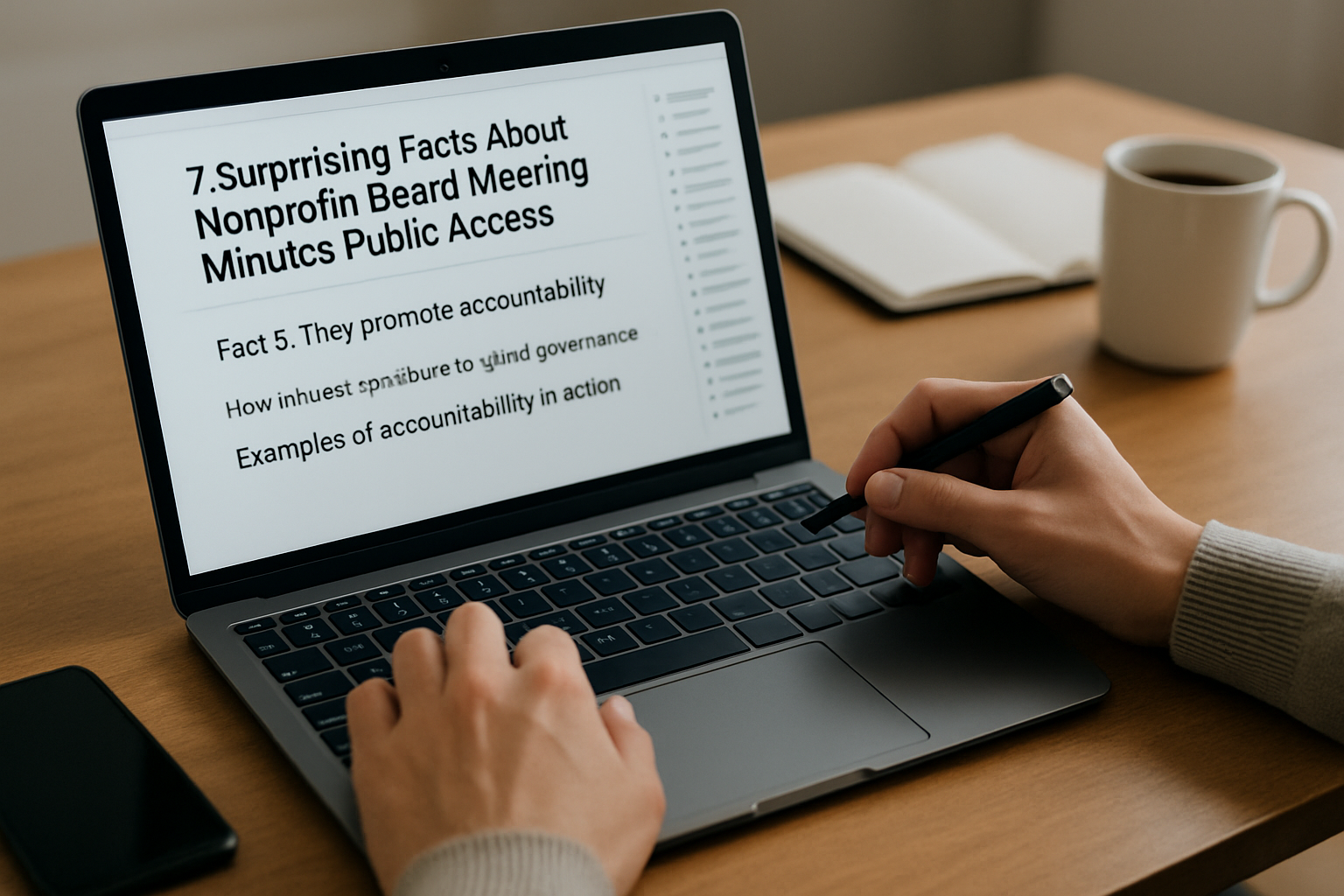
Nonprofit board meeting minutes play a significant role in promoting accountability within organizations. By documenting discussions and decisions, these records ensure that board members are held responsible for their actions. This accountability is essential for maintaining trust among stakeholders, including donors, volunteers, and the community. When minutes are accessible, it allows everyone to see how decisions align with the nonprofit’s mission and values.
How minutes contribute to good governance
Minutes serve as a cornerstone of good governance in nonprofits. They provide a clear record of what was discussed and decided during meetings, enabling board members to reflect on past actions and make informed future choices. This practice encourages responsible decision-making and helps prevent misunderstandings among board members.
Additionally, having detailed minutes can aid in evaluating the effectiveness of the board over time. By reviewing past decisions documented in the minutes, boards can assess whether they are meeting their goals and fulfilling their obligations to stakeholders.
Examples of accountability in action
Numerous nonprofits have successfully demonstrated accountability through their board meeting minutes. For instance, a local environmental group faced criticism for its spending practices. By providing access to their minutes, they showcased how funds were allocated for various projects, thereby alleviating concerns from supporters.
In another case, a nonprofit focused on youth services used its meeting minutes to highlight its commitment to transparency. When questioned about program effectiveness, they presented documented discussions that showed how board members regularly evaluated programs and made adjustments based on outcomes. These examples illustrate that clear and accessible minutes can strengthen accountability and enhance the credibility of nonprofit organizations.
Fact 6: They can be requested by anyone
One of the key aspects of nonprofit board meeting minutes is that they are generally accessible to the public. This means that anyone, including donors, community members, and even competitors, can request access to these records. This openness is vital for fostering trust and transparency in nonprofit organizations. By allowing public access, nonprofits can demonstrate their commitment to accountability and good governance.
Who can request access to the minutes?
In most cases, any individual or organization can request access to board meeting minutes. This includes current and potential donors, volunteers, and even members of the community who are interested in understanding how the nonprofit operates. However, while anyone can make a request, the specific process and requirements may vary depending on state laws and the nonprofit’s own policies.
For instance, some states may require individuals to be members of the organization to access certain documents, while others allow unrestricted access. Nonprofits should clearly communicate their policies regarding who can request minutes to ensure transparency and compliance with legal regulations.
Process for making a request
The process for requesting nonprofit board meeting minutes can differ based on the organization and state laws. Typically, individuals should follow these steps:
Identify the Organization: Determine which nonprofit’s minutes you wish to access.
Check the Website: Many nonprofits provide information about accessing their minutes on their official websites. Look for a “Transparency” or “Public Records” section.
Submit a Written Request: If the information isn’t readily available, submit a formal request in writing. This request should include your name, contact information, and specify the minutes you want to access.
Wait for a Response: Organizations usually have a set timeframe within which they must respond to requests. Be patient but follow up if you don’t hear back.
By understanding this process, stakeholders can engage more effectively with nonprofits and ensure that they are held accountable for their actions.
Fact 7: Digital access is becoming more common
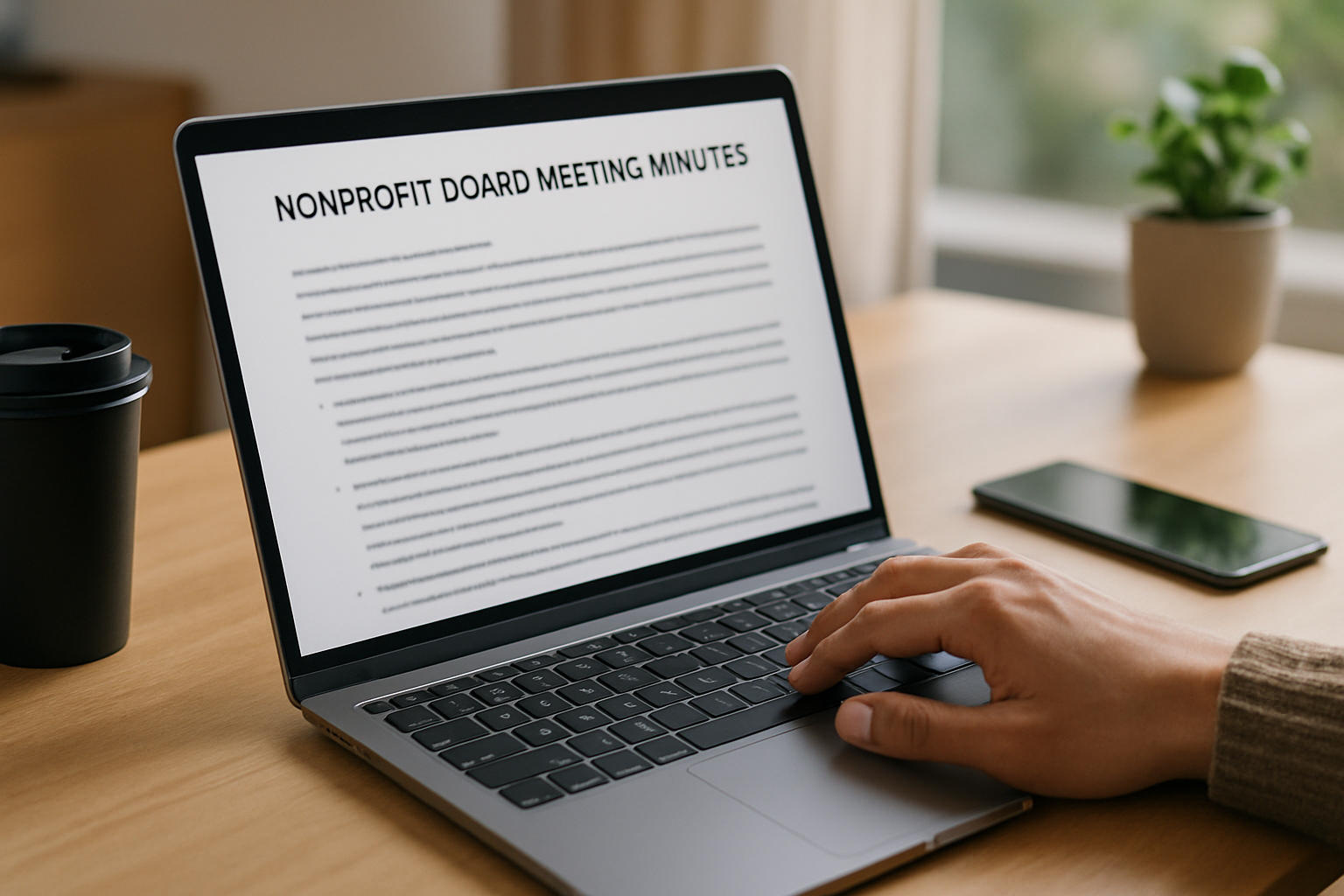
As technology continues to evolve, the availability of nonprofit board meeting minutes is increasingly moving online. Many organizations are recognizing the benefits of making these records accessible through digital platforms. This shift not only enhances transparency but also makes it easier for stakeholders to access important information. By embracing digital access, nonprofits can foster greater engagement with their supporters and the community.
The shift towards online availability
The trend towards online availability of board meeting minutes reflects a broader movement in the nonprofit sector towards increased transparency. Many organizations are now hosting their minutes on their websites, allowing anyone to view them at any time. This practice eliminates barriers to access and encourages more individuals to engage with the nonprofit’s activities.
Additionally, some nonprofits are using social media and email newsletters to share highlights from their meetings, further promoting transparency. This digital shift not only meets the expectations of tech-savvy supporters but also aligns with best practices for modern governance.
Benefits of digital meeting minutes for nonprofits
Digital access to nonprofit board meeting minutes offers several advantages for organizations:
Increased Accessibility: Stakeholders can easily access minutes from anywhere, making it convenient for those who may not be able to attend meetings in person.
Cost-Effective: Digital records reduce the need for physical storage and printing costs, saving nonprofits money over time.
Improved Engagement: By providing easy access to minutes, nonprofits can encourage more community involvement and feedback.
Enhanced Transparency: Digital minutes allow for real-time updates, ensuring that stakeholders have the most current information about the organization’s activities.
By leveraging digital platforms for their board meeting minutes, nonprofits can improve their operations and strengthen their relationships with supporters.
Conclusion
In summary, nonprofit board meeting minutes are essential for promoting transparency, accountability, and good governance. They are often considered public records, and access can vary by state. Different types of minutes exist, each serving its purpose, and maintaining clear documentation can protect organizations legally. Moreover, anyone can request these minutes, and the process for doing so is typically straightforward. With the shift towards digital access, nonprofits can enhance engagement and foster trust among stakeholders.
Recap of key points
Public Records: Nonprofit board meeting minutes are generally considered public records, allowing for community oversight.
State Variability: Access to these minutes varies by state, impacting how organizations manage transparency.
Types of Minutes: Not all minutes are the same; some are detailed while others are summaries, serving different needs.
Accountability: Clear minutes promote accountability and help protect organizations from legal issues.
Digital Access: The trend toward online availability makes it easier for stakeholders to access important information.
Encouragement for nonprofits to embrace transparency
Nonprofits should actively embrace transparency by documenting and sharing their board meeting minutes. By doing so, they not only comply with legal requirements but also build trust within their communities. Transparency fosters stronger relationships with donors and supporters, ultimately leading to a more engaged and committed base. As the nonprofit sector continues to evolve, organizations that prioritize openness will be better positioned to thrive and fulfill their missions.
FAQ
Are nonprofit board meeting minutes confidential?
Typically, nonprofit board meeting minutes are not considered confidential. They are often classified as public records, meaning they can be accessed by anyone interested in reviewing them. However, some organizations may have specific policies regarding confidentiality for sensitive topics discussed during meetings. It’s essential for nonprofits to clearly communicate their policies on what information is public and what might remain private.
Who should have access to board meeting minutes?
Access to board meeting minutes should generally be available to all stakeholders, including donors, volunteers, and community members. Transparency is crucial for building trust, so making these records accessible helps ensure accountability. However, specific access rights can vary based on state laws and the nonprofit’s own policies. Nonprofits should strive to provide clear guidelines on who can request and view these minutes.
Do board meeting minutes have to be public?
Whether board meeting minutes must be made public depends on state regulations. In many states, nonprofits are required to maintain and provide access to these records, promoting transparency and accountability. Organizations should familiarize themselves with their state’s laws to ensure compliance. Resources like the National Council of Nonprofits can help nonprofits understand their obligations regarding public access.
Are board meeting minutes discoverable?
Yes, board meeting minutes are generally discoverable as they are public records. This means that anyone can request access to them, provided the nonprofit adheres to the legal requirements set by their state. The process for making a request is usually straightforward, allowing individuals to engage with the nonprofit’s activities. By maintaining clear and accessible minutes, organizations can foster greater transparency and trust among their supporters.