

Understanding your audience is crucial for any event non profit. Many organizations struggle to connect with potential supporters, leaving them frustrated and unsure about how to engage effectively. Knowing who your audience is and what they care about can transform your events into memorable experiences that attract donors and fans alike. By identifying target demographics and assessing their interests, nonprofits can create tailored strategies that resonate deeply, leading to increased visibility and support.
Key Takeaways:
- Grasping your audience’s demographics helps tailor your messaging.
- Assessing interests ensures engaging and relevant events.
- Understanding preferences can enhance donor relationships and support.
Understand Your Audience for Event Non Profit
Identify Target Demographics
To make the most of an event non profit, it’s essential to identify the target demographics. This involves understanding who is likely to attend your events, including age, gender, location, and income level. For example, a charity focused on youth programs may find that younger adults and parents are their main supporters.
By collecting data through surveys or social media analytics, nonprofits can pinpoint their audience’s characteristics. This insight helps in crafting messages that resonate. When organizations know their audience, they can use language and visuals that appeal directly to them, increasing engagement and participation.
Assess Interests and Preferences
Once the demographics are established, assessing interests and preferences is the next step for any event non profit. This means diving deeper into what drives your audience. Are they passionate about community service, arts, or environmental issues? Understanding these interests allows nonprofits to design events that align with what supporters care about.
For instance, hosting a fundraising gala with art displays might attract those interested in the arts. Additionally, creating polls or engaging with followers on social media can yield valuable insights. Tailoring events to meet these preferences not only boosts attendance but also fosters a stronger connection between the nonprofit and its supporters.
10 Essential Tips for Event Non Profit Success
Understanding your audience is crucial for any event non profit. Many organizations struggle to connect with potential supporters, leaving them frustrated and unsure about how to engage effectively. Knowing who your audience is and what they care about can transform your events into memorable experiences that attract donors and fans alike. By identifying target demographics and assessing their interests, nonprofits can create tailored strategies that resonate deeply, leading to increased visibility and support.
Key Takeaways:
- Grasping your audience’s demographics helps tailor your messaging.
- Assessing interests ensures engaging and relevant events.
- Understanding preferences can enhance donor relationships and support.
Set Clear Goals for Event Non Profit
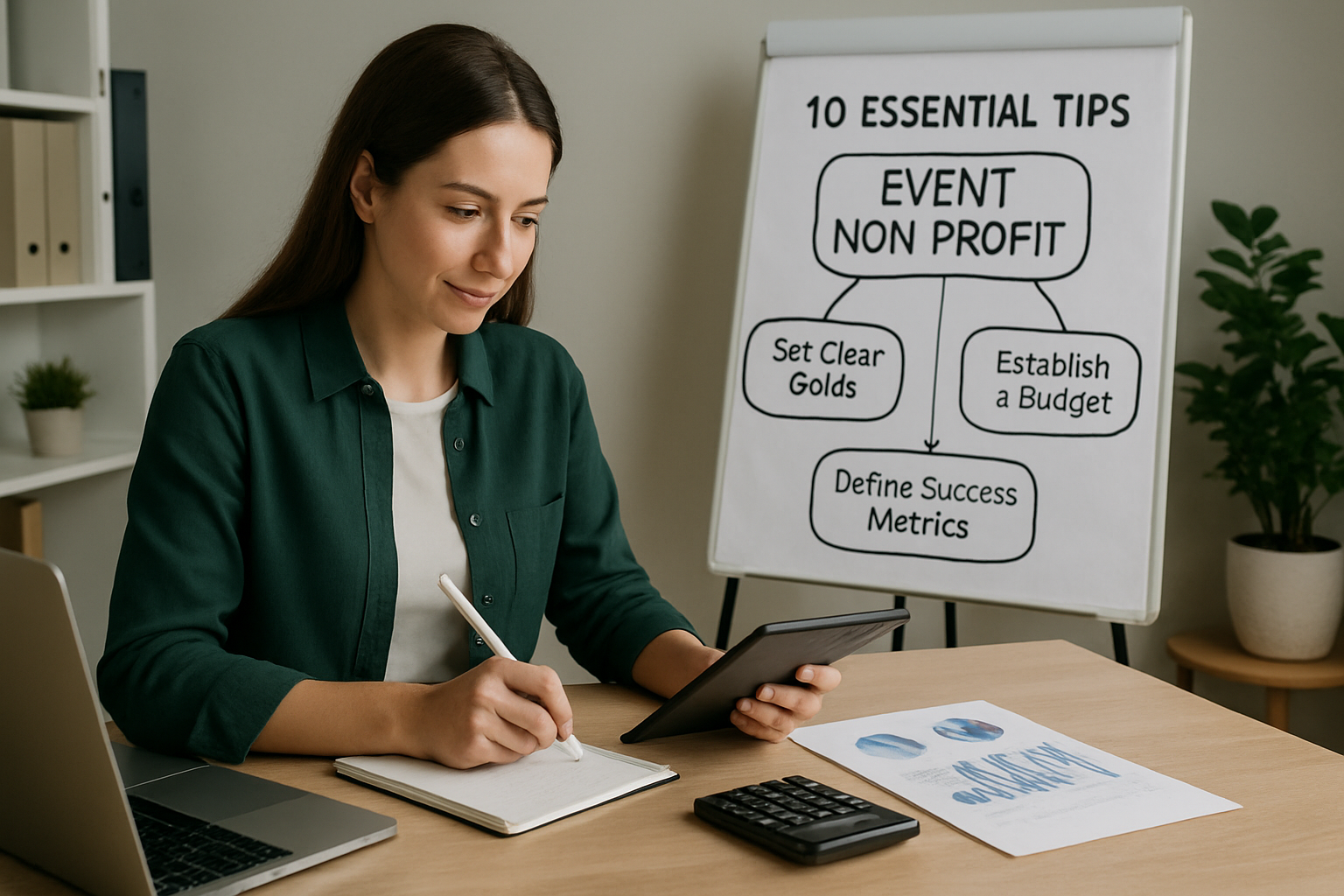
Setting clear goals is vital for the success of any event non profit. Goals provide direction and help measure the effectiveness of your initiatives. For example, a nonprofit might aim to raise a specific amount of funds or increase community awareness. Without clear objectives, efforts can become scattered, leading to confusion among team members and attendees.
To establish effective goals, organizations should use the SMART criteria: Specific, Measurable, Achievable, Relevant, and Time-bound. This framework ensures that goals are realistic and focused, making it easier to track progress and adjust strategies as needed. When everyone knows the goals, it creates a unified approach that can significantly enhance event outcomes.
Define Success Metrics
Once goals are set, defining success metrics is essential for an event non profit. These metrics help measure the effectiveness of the event and determine if the goals were met. Common metrics include the amount of money raised, the number of attendees, and the level of engagement on social media.
For instance, if the goal was to raise $10,000, tracking donations in real-time during the event can provide immediate feedback. Additionally, gathering attendee feedback through surveys can reveal insights into their experience. These metrics not only show what worked but also highlight areas for improvement, guiding future events.
Establish a Budget
Establishing a budget is a critical step for any event non profit. A well-planned budget helps ensure that resources are allocated effectively and that the event remains financially viable. Start by listing all potential expenses, such as venue rental, catering, marketing, and entertainment.
It’s also important to consider potential income sources, like ticket sales and sponsorships. For example, if a nonprofit expects to sell 200 tickets at $50 each, that’s $10,000 in revenue. Creating a detailed budget allows organizations to make informed decisions, ensuring they stay on track financially.
10 Essential Tips for Event Non Profit Success
Understanding your audience is crucial for any event non profit. Many organizations struggle to connect with potential supporters, leaving them frustrated and unsure about how to engage effectively. Knowing who your audience is and what they care about can transform your events into memorable experiences that attract donors and fans alike. By identifying target demographics and assessing their interests, nonprofits can create tailored strategies that resonate deeply, leading to increased visibility and support.
Key Takeaways:
- Grasping your audience’s demographics helps tailor your messaging.
- Assessing interests ensures engaging and relevant events.
- Understanding preferences can enhance donor relationships and support.
Build a Strong Team for Event Non Profit
Building a strong team is essential for the success of any event non profit. A dedicated group of individuals can bring diverse skills and perspectives, making the planning process smoother and more effective. Whether it’s volunteers or staff members, having the right people in place ensures that every aspect of the event is handled professionally.
To start, nonprofits should focus on creating a positive team culture. This involves fostering open communication, encouraging collaboration, and recognizing individual contributions. When team members feel valued, they are more likely to be motivated and committed to the event’s success.
Recruit Volunteers
Recruiting volunteers is a key step for any event non profit. Volunteers can significantly reduce costs while bringing enthusiasm and fresh ideas. To attract the right individuals, organizations should clearly communicate the mission and purpose of the event.
Using social media and local community boards can help spread the word. For example, a nonprofit may post a call for volunteers on their Facebook page, highlighting the fun and impact of participating. Additionally, providing incentives, such as free event tickets or recognition, can motivate people to join the cause.
Assign Roles and Responsibilities
Assigning roles and responsibilities is crucial for an effective event non profit team. Clear roles ensure that everyone knows what is expected of them, reducing confusion and overlap. Start by identifying the key tasks needed for the event, such as marketing, logistics, and fundraising.
Once these tasks are outlined, match them with team members’ strengths and interests. For instance, if someone has a background in graphic design, they could handle promotional materials. Regular check-ins can help keep everyone on track and allow for adjustments as needed, ensuring a smooth event execution.
10 Essential Tips for Event Non Profit Success
Understanding your audience is crucial for any event non profit. Many organizations struggle to connect with potential supporters, leaving them frustrated and unsure about how to engage effectively. Knowing who your audience is and what they care about can transform your events into memorable experiences that attract donors and fans alike. By identifying target demographics and assessing their interests, nonprofits can create tailored strategies that resonate deeply, leading to increased visibility and support.
Key Takeaways:
- Grasping your audience’s demographics helps tailor your messaging.
- Assessing interests ensures engaging and relevant events.
- Understanding preferences can enhance donor relationships and support.
Create an Engaging Event Plan for Event Non Profit
Creating an engaging event plan is vital for any event non profit. A well-thought-out plan lays the groundwork for a successful event that captivates attendees and meets organizational goals. This involves considering every detail, from the overall theme to logistics, ensuring everything aligns with the mission of the nonprofit.
An engaging event plan should also include elements that foster interaction and connection among participants. Incorporating storytelling or personal testimonies can create emotional connections, making the event more memorable. When attendees feel involved, they are more likely to support the cause long after the event ends.
Select an Appropriate Venue
Selecting an appropriate venue is crucial for an event non profit. The right location sets the tone and can significantly impact attendance and engagement. Factors to consider include capacity, accessibility, and facilities. For instance, a community center might be ideal for a local fundraiser, while a larger auditorium may suit a gala.
Additionally, consider the venue’s alignment with the event’s purpose. A nature-themed fundraiser could benefit from an outdoor setting, enhancing the overall experience. Visiting potential venues ahead of time allows organizers to visualize the layout and make informed decisions that best serve the audience.
Plan Activities and Schedule
Planning activities and a schedule is essential for keeping an event non profit engaging and organized. A well-structured agenda helps maintain momentum and ensures that all key components are covered. Start by outlining the main activities, such as speeches, performances, or workshops.
For example, if hosting a fundraising dinner, include time for guest speakers to share stories and inspire attendees. Additionally, allowing for breaks and networking opportunities can enhance participant engagement. By creating a clear timeline, nonprofits can ensure that the event flows smoothly and keeps everyone involved.

10 Essential Tips for Event Non Profit Success
Understanding your audience is crucial for any event non profit. Many organizations struggle to connect with potential supporters, leaving them frustrated and unsure about how to engage effectively. Knowing who your audience is and what they care about can transform your events into memorable experiences that attract donors and fans alike. By identifying target demographics and assessing their interests, nonprofits can create tailored strategies that resonate deeply, leading to increased visibility and support.
Key Takeaways:
- Grasping your audience’s demographics helps tailor your messaging.
- Assessing interests ensures engaging and relevant events.
- Understanding preferences can enhance donor relationships and support.
Promote Your Event Non Profit Effectively
Promoting your event effectively is essential for the success of any event non profit. Without a solid promotional strategy, even the best-planned events may struggle to attract attendees. A multifaceted approach that includes various channels can maximize outreach and engagement.
Start by creating a compelling message that highlights the event’s purpose and benefits. Use eye-catching visuals and storytelling techniques to draw in potential supporters. The more you can convey the impact of their participation, the more likely they are to commit to attending.
Utilize Social Media Channels
Utilizing social media channels is a powerful way to promote an event non profit. Platforms like Facebook, Instagram, and Twitter allow organizations to reach a wide audience quickly and cost-effectively. By creating engaging posts that include visuals, videos, and testimonials, nonprofits can generate buzz around the event.
For example, sharing behind-the-scenes content or sneak peeks of planned activities can pique interest. Additionally, using targeted ads can help reach specific demographics, ensuring that the right people see the event promotion. Encouraging followers to share posts can further amplify reach, creating a community of supporters excited about the event.
Engage with Local Media
Engaging with local media is another effective strategy for promoting an event non profit. Building relationships with journalists and media outlets can lead to valuable coverage that raises awareness. Start by crafting a press release that outlines the event details, goals, and its significance to the community.
Reach out to local newspapers, radio stations, and TV channels to pitch stories. Highlight unique aspects of the event that would interest their audience. For instance, if the event features a well-known speaker or a special performance, emphasize that in your outreach. Positive media coverage can significantly boost attendance and enhance the nonprofit’s reputation in the community.
10 Essential Tips for Event Non Profit Success
Understanding your audience is crucial for any event non profit. Many organizations struggle to connect with potential supporters, leaving them frustrated and unsure about how to engage effectively. Knowing who your audience is and what they care about can transform your events into memorable experiences that attract donors and fans alike. By identifying target demographics and assessing their interests, nonprofits can create tailored strategies that resonate deeply, leading to increased visibility and support.
Key Takeaways:
- Grasping your audience’s demographics helps tailor your messaging.
- Assessing interests ensures engaging and relevant events.
- Understanding preferences can enhance donor relationships and support.
Leverage Storytelling for Event Non Profit
Leveraging storytelling is a powerful tool for any event non profit. Stories have the ability to connect emotionally with audiences, making them more likely to engage and support the cause. A compelling narrative can illustrate the impact of the nonprofit’s work, turning abstract concepts into relatable experiences.
Nonprofits should aim to gather stories from beneficiaries, volunteers, and supporters. These narratives can highlight personal journeys, challenges faced, and triumphs achieved. When shared effectively, these stories can inspire action and foster a sense of community among supporters.
Collect Impactful Stories
Collecting impactful stories is vital for enhancing an event non profit‘s message. Organizations can gather stories through interviews, surveys, or social media outreach. Asking open-ended questions allows individuals to share their experiences in their own words, capturing genuine emotions.
For instance, a nonprofit focused on poverty alleviation might interview families who benefited from their programs. These firsthand accounts can reveal the real-life impact of donations and support. Compiling these stories into a cohesive narrative can create a powerful tool for fundraising and awareness efforts.
Share Stories to Inspire Support
Sharing stories to inspire support is essential for driving engagement in an event non profit. Once impactful stories are collected, they should be disseminated across various platforms. Social media, newsletters, and event materials are excellent channels for sharing these narratives.
Visual storytelling can enhance this process. Using photos or videos alongside written accounts can create a more immersive experience for the audience. For example, showcasing a video of a beneficiary sharing their journey can evoke empathy and motivate viewers to contribute.

10 Essential Tips for Event Non Profit Success
Understanding your audience is crucial for any event non profit. Many organizations struggle to connect with potential supporters, leaving them frustrated and unsure about how to engage effectively. Knowing who your audience is and what they care about can transform your events into memorable experiences that attract donors and fans alike. By identifying target demographics and assessing their interests, nonprofits can create tailored strategies that resonate deeply, leading to increased visibility and support.
Key Takeaways:
- Grasping your audience’s demographics helps tailor your messaging.
- Assessing interests ensures engaging and relevant events.
- Understanding preferences can enhance donor relationships and support.
Foster Relationships with Donors for Event Non Profit
Fostering relationships with donors is essential for the success of any event non profit. Building strong connections can lead to long-term support and increased contributions. It’s important to view donors as partners in the mission rather than just sources of funding.
To cultivate these relationships, nonprofits should prioritize personalized interactions. Sending thank-you notes or making phone calls to express gratitude can go a long way. When donors feel valued, they are more likely to remain engaged and committed to the organization’s cause.
Create a Donor Recognition Program
Creating a donor recognition program is an effective way to acknowledge contributions and strengthen relationships within an event non profit. This program can include various levels of recognition based on donation amounts, such as public acknowledgments during events or listing names on promotional materials.
For example, recognizing top donors with special awards or exclusive invitations can make them feel appreciated. This not only encourages continued support but also motivates others to contribute. A well-structured recognition program demonstrates that the organization values its supporters and their impact on the mission.
Maintain Communication Post-Event
Maintaining communication post-event is crucial for nurturing relationships with donors in an event non profit. After the event concludes, organizations should reach out to attendees and donors to share the outcomes and express gratitude. This could include sending a recap email highlighting the event’s success and the funds raised.
Additionally, sharing stories and testimonials from beneficiaries can illustrate the direct impact of donations. Regular updates on future initiatives or upcoming events can keep donors engaged and informed. By maintaining this connection, nonprofits can foster loyalty and encourage ongoing support for their mission.
10 Essential Tips for Event Non Profit Success
Understanding your audience is crucial for any event non profit. Many organizations struggle to connect with potential supporters, leaving them frustrated and unsure about how to engage effectively. Knowing who your audience is and what they care about can transform your events into memorable experiences that attract donors and fans alike. By identifying target demographics and assessing their interests, nonprofits can create tailored strategies that resonate deeply, leading to increased visibility and support.
Key Takeaways:
- Grasping your audience’s demographics helps tailor your messaging.
- Assessing interests ensures engaging and relevant events.
- Understanding preferences can enhance donor relationships and support.
Evaluate and Learn from Each Event Non Profit
Evaluating and learning from each event is essential for the continuous improvement of any event non profit. After the excitement fades, it’s crucial to reflect on what worked well and what could be improved. This process not only enhances future events but also strengthens the organization’s overall effectiveness.
By systematically reviewing each aspect of the event—from planning to execution—nonprofits can identify strengths and weaknesses. This evaluation phase is vital for making informed decisions that lead to better outcomes in subsequent events.
Gather Feedback from Attendees
Gathering feedback from attendees is a key step in evaluating an event non profit. Surveys or informal conversations can provide valuable insights into participants’ experiences. Questions might focus on aspects like the venue, activities, and overall enjoyment.
For instance, a quick post-event survey asking attendees what they liked most and what could be improved can yield actionable data. Analyzing this feedback helps organizations understand their audience better and adjust future events to meet expectations. When attendees feel heard, they are more likely to return and support future initiatives.
Analyze Event Outcomes
Analyzing event outcomes is crucial for understanding the effectiveness of an event non profit. This involves looking at various metrics, such as funds raised, attendance numbers, and engagement levels. By comparing these metrics against the initial goals set before the event, nonprofits can assess their success.
For example, if the goal was to raise $10,000 and the event brought in $12,000, that’s a clear win. However, if attendance was lower than expected, it may indicate a need for improved marketing strategies. Regularly reviewing these outcomes allows organizations to refine their approaches and ensure future events are even more successful.

10 Essential Tips for Event Non Profit Success
Understanding your audience is crucial for any event non profit. Many organizations struggle to connect with potential supporters, leaving them frustrated and unsure about how to engage effectively. Knowing who your audience is and what they care about can transform your events into memorable experiences that attract donors and fans alike. By identifying target demographics and assessing their interests, nonprofits can create tailored strategies that resonate deeply, leading to increased visibility and support.
Key Takeaways:
- Grasping your audience’s demographics helps tailor your messaging.
- Assessing interests ensures engaging and relevant events.
- Understanding preferences can enhance donor relationships and support.
Use Technology to Enhance Event Non Profit
Using technology to enhance an event non profit can streamline processes and improve the overall experience for attendees. In today’s digital world, leveraging the right tools can make a significant difference in efficiency and engagement. From registration to communication, technology can help organizations manage events more effectively.
By embracing technology, nonprofits can simplify tasks, reduce manual errors, and provide a better experience for both organizers and participants. This not only saves time but also allows teams to focus more on the mission rather than logistical challenges.
Implement Registration Tools
Implementing registration tools is essential for any event non profit. Online registration platforms can simplify the sign-up process for attendees, making it easy for them to secure their spots. These tools often allow organizations to collect important information, such as dietary preferences or special needs, ensuring a smooth experience.
For example, using platforms like Eventbrite or Google Forms can help nonprofits manage registrations efficiently. Additionally, automated confirmation emails can keep attendees informed and engaged leading up to the event. Streamlining registration not only enhances the user experience but also provides valuable data for future planning.
Utilize Event Management Software
Utilizing event management software is another effective way to enhance an event non profit. These platforms can assist with various aspects of event planning, from scheduling to budgeting. Features like task assignment, timeline tracking, and budget management make it easier to stay organized.
For instance, software like Cvent or Asana can help teams collaborate seamlessly, ensuring everyone is on the same page. Moreover, these tools often include analytics features that allow organizations to assess event performance post-event. By integrating technology into event management, nonprofits can elevate their operations and focus on their core mission.
10 Essential Tips for Event Non Profit Success
Understanding your audience is crucial for any event non profit. Many organizations struggle to connect with potential supporters, leaving them frustrated and unsure about how to engage effectively. Knowing who your audience is and what they care about can transform your events into memorable experiences that attract donors and fans alike. By identifying target demographics and assessing their interests, nonprofits can create tailored strategies that resonate deeply, leading to increased visibility and support.
Key Takeaways:
- Grasping your audience’s demographics helps tailor your messaging.
- Assessing interests ensures engaging and relevant events.
- Understanding preferences can enhance donor relationships and support.
Celebrate Success and Acknowledge Contributions for Event Non Profit
Celebrating success and acknowledging contributions is vital for any event non profit. Recognizing the hard work of volunteers and donors fosters a sense of community and appreciation. When individuals feel valued, they are more likely to remain engaged and support future initiatives.
Taking the time to celebrate achievements reinforces the mission of the nonprofit and encourages continued participation. This not only strengthens relationships but also creates a positive atmosphere that can lead to increased support in the long run.
Thank Volunteers and Donors
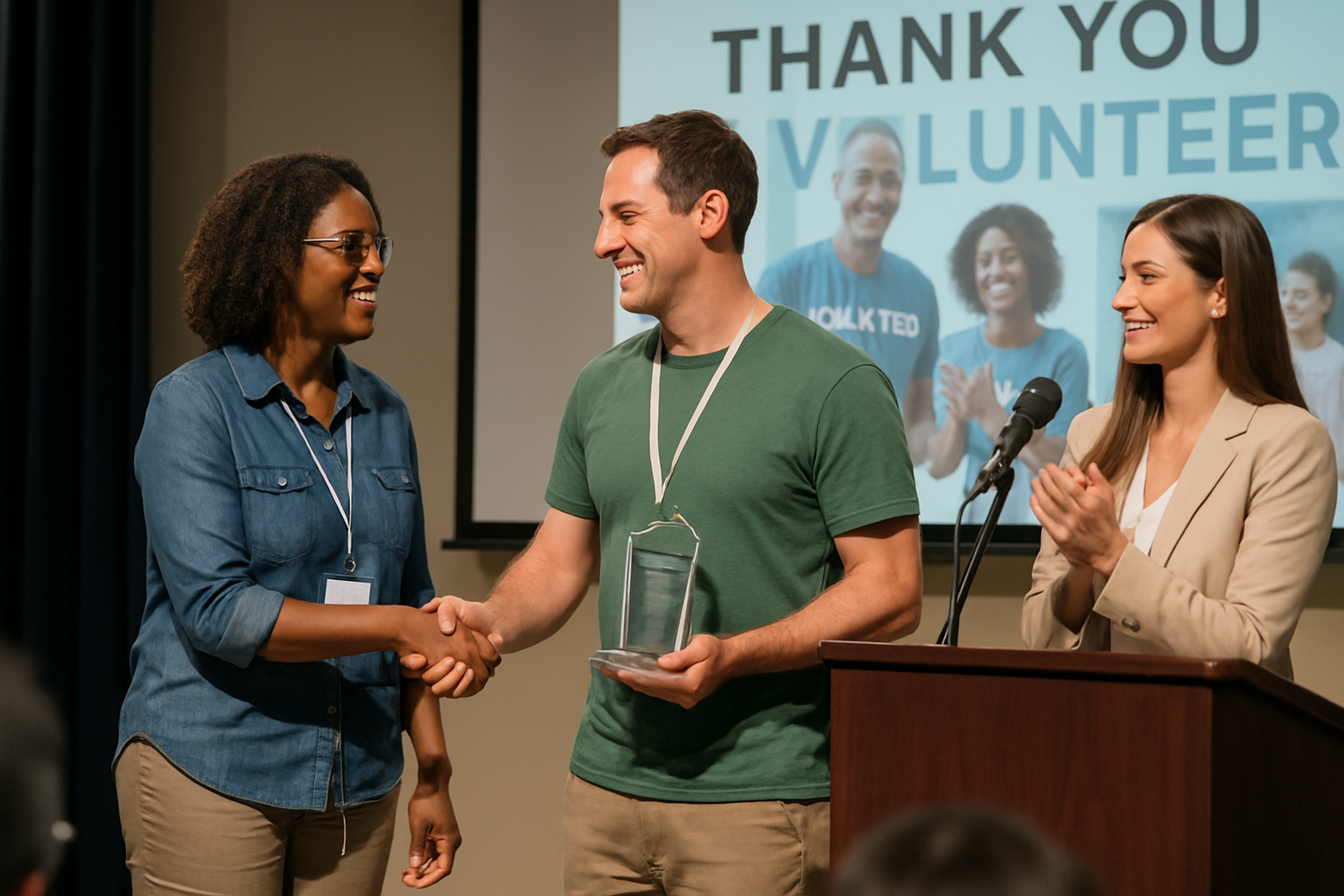
Thanking volunteers and donors is essential for building lasting relationships within an event non profit. A simple “thank you” can go a long way in showing appreciation for their contributions. Personalized messages, handwritten notes, or public acknowledgments during events can make supporters feel valued.
For example, hosting a small appreciation event or sending follow-up emails expressing gratitude can enhance donor loyalty. Recognizing their efforts publicly can also inspire others to contribute, creating a culture of giving and support within the community.
Share Event Highlights
Sharing event highlights is an effective way to celebrate success and engage supporters after an event non profit. By showcasing memorable moments through photos, videos, or social media posts, organizations can keep the excitement alive and remind attendees of the impact of their contributions.
For instance, creating a recap video that features testimonials from beneficiaries and highlights key moments can evoke emotional responses and encourage ongoing support. Sharing these highlights not only acknowledges the efforts of everyone involved but also serves as a powerful tool for attracting new supporters in future events.
10 Essential Tips for Event Non Profit Success
Understanding your audience is crucial for any event non profit. Many organizations struggle to connect with potential supporters, leaving them frustrated and unsure about how to engage effectively. Knowing who your audience is and what they care about can transform your events into memorable experiences that attract donors and fans alike. By identifying target demographics and assessing their interests, nonprofits can create tailored strategies that resonate deeply, leading to increased visibility and support.
Key Takeaways:
- Grasping your audience’s demographics helps tailor your messaging.
- Assessing interests ensures engaging and relevant events.
- Understanding preferences can enhance donor relationships and support.
Celebrate Success and Acknowledge Contributions for Event Non Profit
Celebrating success and acknowledging contributions is vital for any event non profit. Recognizing the hard work of volunteers and donors fosters a sense of community and appreciation. When individuals feel valued, they are more likely to remain engaged and support future initiatives.
Taking the time to celebrate achievements reinforces the mission of the nonprofit and encourages continued participation. This not only strengthens relationships but also creates a positive atmosphere that can lead to increased support in the long run.
Thank Volunteers and Donors
Thanking volunteers and donors is essential for building lasting relationships within an event non profit. A simple “thank you” can go a long way in showing appreciation for their contributions. Personalized messages, handwritten notes, or public acknowledgments during events can make supporters feel valued.
For example, hosting a small appreciation event or sending follow-up emails expressing gratitude can enhance donor loyalty. Recognizing their efforts publicly can also inspire others to contribute, creating a culture of giving and support within the community.
Share Event Highlights
Sharing event highlights is an effective way to celebrate success and engage supporters after an event non profit. By showcasing memorable moments through photos, videos, or social media posts, organizations can keep the excitement alive and remind attendees of the impact of their contributions.
For instance, creating a recap video that features testimonials from beneficiaries and highlights key moments can evoke emotional responses and encourage ongoing support. Sharing these highlights not only acknowledges the efforts of everyone involved but also serves as a powerful tool for attracting new supporters in future events.
FAQ
Can an event be non-profit?
Yes, an event can be non-profit if its primary goal is to raise funds for a charitable cause rather than generating profit for individuals or shareholders. Non-profit events focus on community benefit and often rely on donations, sponsorships, and ticket sales to cover costs while supporting their mission.
What qualifies something as a non-profit?
A non-profit organization is defined by its mission to serve the public good without the intention of making a profit. Qualifying factors include being registered as a non-profit entity, adhering to specific tax regulations, and using any surplus revenue to further its charitable goals rather than distributing it to owners or shareholders.
How to plan an event for a non-profit?
Planning an event for a non-profit involves several key steps: setting clear goals, selecting an appropriate venue, promoting the event effectively, and engaging with attendees. Utilizing tools like registration platforms and event management software can streamline the process. For detailed guidance, consider checking resources like Storly.ai’s content strategy for nonprofits.
What is the highest paying job in a non-profit?
The highest paying job in a non-profit typically includes executive roles such as Chief Executive Officer (CEO) or Executive Director. These positions are responsible for overseeing the organization’s operations, strategic planning, and fundraising efforts. Salaries can vary widely based on the organization’s size and budget, but experienced leaders in large non-profits can earn significant compensation, often exceeding six figures.