

Nonprofit board members play a crucial role in steering organizations toward success. However, many face challenges in understanding their responsibilities and leading effectively. This often leads to confusion and missed opportunities for growth. The good news is that by embracing knowledge from the best books for nonprofit board members, they can enhance their leadership skills and make a significant impact.
Here’s what you’ll discover in this post:
- Insights into the essential role of nonprofit board members.
- The significance of effective leadership in nonprofits.
- Key responsibilities that board members must fulfill.
- A curated list of transformative books for board members.
Understanding the Role of Nonprofit Board Members
Nonprofit board members are vital for guiding organizations. They provide oversight, support, and strategic direction. Their primary role is to ensure the organization fulfills its mission while remaining financially healthy. Many board members, however, may not fully grasp the depth of their influence. This can lead to ineffective governance and decision-making.
By understanding their role, board members can foster a culture of accountability and transparency. This understanding also helps them engage with stakeholders, including donors and the community. Ultimately, a well-informed board can drive the organization forward, ensuring it meets its goals and serves its mission effectively.
Importance of Effective Leadership
Effective leadership is the backbone of any nonprofit organization. It sets the tone for the entire team and influences how goals are pursued. When board members exhibit strong leadership, it inspires confidence among staff and volunteers. This confidence can lead to increased engagement and commitment to the nonprofit’s mission.
Moreover, effective leaders navigate challenges with ease. They encourage collaboration and innovation, fostering an environment where ideas can flourish. According to Susan J. Ellis, a nonprofit expert, “Leaders who invest in their own learning create a ripple effect throughout their organization.” By prioritizing leadership development, board members can significantly enhance their effectiveness and the overall impact of their organization.
Responsibilities of Board Members
Board members have several key responsibilities that are critical to the health of a nonprofit. First, they must ensure financial oversight, which includes approving budgets and monitoring expenditures. This responsibility is essential for maintaining donor trust and ensuring resources are used wisely.
Second, board members should actively participate in strategic planning. This involves setting long-term goals and determining the best ways to achieve them. Additionally, they are responsible for hiring and evaluating the executive director, who is pivotal in executing the board’s vision.
Finally, board members should advocate for the organization. This means promoting its mission, raising funds, and building relationships within the community. By fulfilling these responsibilities, board members can lead their nonprofit to greater heights and ensure its sustainability.
The Best Books for Nonprofit Board Members
Reading can significantly enhance the effectiveness of nonprofit board members. The best books for nonprofit board members offer valuable insights and practical strategies to improve governance and leadership. These books cover various topics, from financial management to team dynamics. By diving into these resources, board members can gain the knowledge needed to navigate challenges and drive their organizations toward success.
Here are some top recommendations that can transform the way board members lead and govern their nonprofits.
1. “The Board Book: An Insider’s Guide for Trustees and Directors”
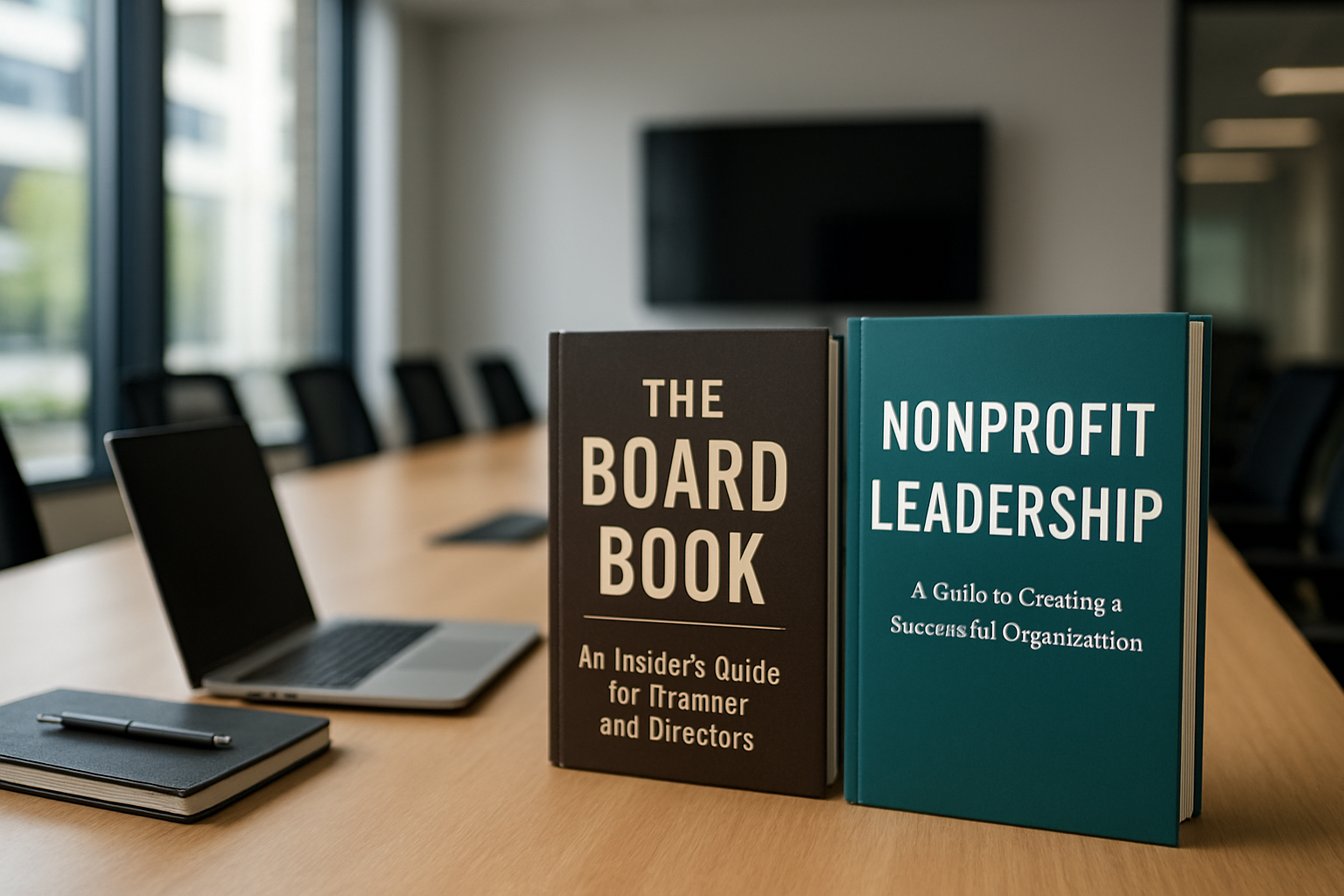
This book serves as a comprehensive guide for anyone stepping into a board role. It covers the essential functions of a board, including governance, legal responsibilities, and best practices. Written by Dr. Brian A. L. W. W. B. D. H. W. D. T. M. D. W., it provides real-world examples and practical advice. Readers will learn how to effectively navigate board meetings and make informed decisions. This book is a must-read for new and experienced board members alike, as it emphasizes the importance of strong leadership and accountability.
2. “Nonprofit Leadership: A Guide to Creating a Successful Organization”
This insightful book focuses on the unique challenges faced by nonprofit leaders. Authored by Dr. David L. H. H., it delves into strategies for building effective teams and fostering a positive organizational culture. The book emphasizes the significance of collaboration among board members and staff. It also highlights the importance of aligning with the mission and vision of the organization. By understanding these dynamics, board members can create a thriving environment that attracts support and drives success.
3. “The Art of Governance: An Executive’s Guide to Nonprofit Boards”
This book is a vital resource for board members looking to enhance their governance skills. Written by Dr. Richard Chait, it provides an in-depth look at the principles of effective governance in the nonprofit sector. The author emphasizes the importance of distinguishing between governance and management. This distinction helps board members focus on their strategic role rather than getting lost in day-to-day operations. With practical frameworks and case studies, readers learn how to create a high-performing board that drives organizational success. This guide is essential for any board member aiming to elevate their governance practices and impact.
4. “The Nonprofit Board Member’s Guide to Financial Management”
Financial literacy is crucial for nonprofit board members, and this book addresses that need directly. Authored by Dr. Michael J. Worth, it breaks down complex financial concepts into understandable terms. The book covers budgeting, financial statements, and fiscal responsibility. It also discusses how board members can ensure the organization remains financially sustainable. By understanding financial management, board members can make informed decisions that protect the nonprofit’s assets. This guide is a must-have for those wanting to strengthen their financial oversight and governance skills.
5. “Good to Great for the Social Sectors: Why Business Thinking is Not the Answer”
In this thought-provoking book, Jim Collins explores what it takes for nonprofits to achieve greatness. He argues that traditional business strategies may not always apply to the social sector. The book challenges board members to think differently about leadership and success. Collins emphasizes the importance of passion and purpose over profit. By focusing on mission-driven goals, organizations can create lasting change. This book inspires board members to adopt a unique perspective on leadership, making it a valuable addition to any nonprofit’s reading list.
6. “The Five Dysfunctions of a Team: A Leadership Fable”
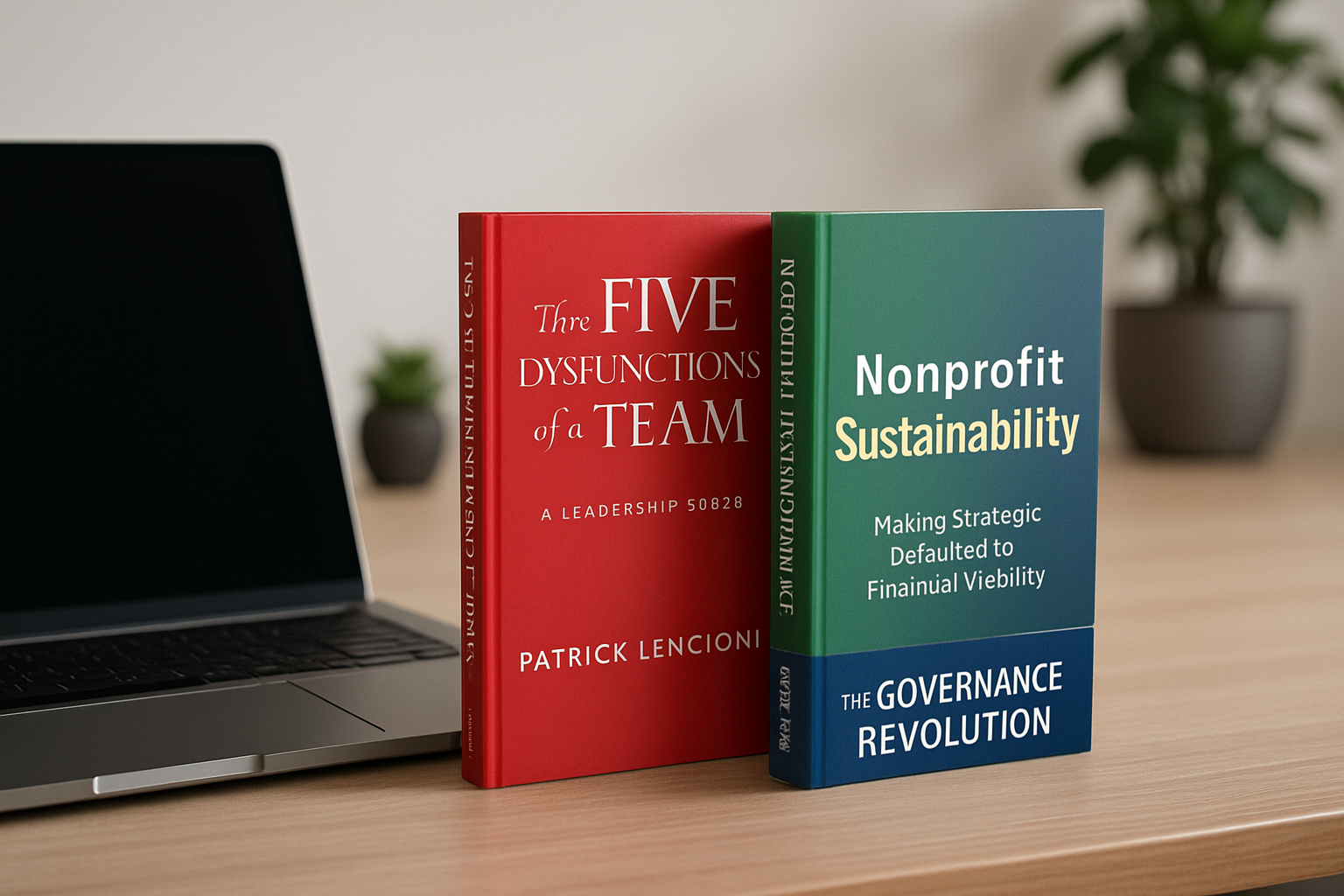
This engaging book by Patrick Lencioni uses a fable to illustrate the common pitfalls teams face. It identifies five key dysfunctions that can hinder team performance: absence of trust, fear of conflict, lack of commitment, avoidance of accountability, and inattention to results. Lencioni provides actionable strategies to overcome these challenges and build a cohesive team. For board members, understanding these dynamics is crucial for fostering collaboration and effective decision-making. By addressing these dysfunctions, nonprofit boards can enhance their overall effectiveness and drive better outcomes for their organizations.
7. “Nonprofit Sustainability: Making Strategic Decisions for Financial Viability”
This essential guide by Jeanne Bell, Jan Masaoka, and Steve Zimmerman focuses on ensuring long-term sustainability for nonprofits. The authors emphasize the importance of strategic decision-making in financial planning. They provide tools and frameworks to help board members assess their organization’s financial health and develop sustainable practices. The book covers topics like revenue diversification, cost management, and mission alignment. By implementing the strategies outlined in this book, board members can make informed choices that enhance their organization’s viability and impact.
8. “The Governance Revolution: Reimagining Board Leadership”
In this innovative book, Dr. Mary R. B. D. H. explores how nonprofit governance is evolving. She argues that traditional governance models may not be sufficient for today’s complex nonprofit landscape. The book introduces new frameworks for board leadership that prioritize adaptability, inclusivity, and engagement. By rethinking governance structures, board members can create more dynamic and effective organizations. This book challenges board members to embrace change and adopt practices that align with the needs of their communities and stakeholders, making it a vital read for forward-thinking leaders.
9. “The New Board Member’s Guide to Nonprofit Organizations”
This informative guide by Dr. J. M. H. serves as a comprehensive introduction for new board members in the nonprofit sector. It covers essential topics such as governance, roles, and responsibilities. The book also highlights the importance of understanding the organization’s mission and vision. By providing practical tips and insights, it helps newcomers navigate their roles effectively. This resource is invaluable for those looking to make a positive impact from day one. New board members will gain confidence and clarity, enabling them to contribute meaningfully to their organizations.
10. “Creating a Culture of Philanthropy: The Essential Guide for Nonprofit Leaders”
In this insightful book, the authors emphasize the importance of fostering a culture of philanthropy within nonprofit organizations. They argue that a strong philanthropic culture enhances donor engagement and strengthens community ties. The guide offers practical strategies for board members to cultivate this culture, including effective communication and relationship-building techniques. By prioritizing philanthropy, organizations can inspire greater support and commitment from donors and volunteers. This book is essential for leaders aiming to create an environment where giving and generosity thrive, ultimately benefiting the organization’s mission and goals.
How These Books Can Transform Leadership
The insights gained from the best books for nonprofit board members can significantly enhance leadership capabilities. By absorbing the knowledge and strategies presented in these resources, board members can develop a deeper understanding of their roles. This understanding allows them to lead with confidence and purpose. Moreover, these books encourage continuous learning, which is vital for adapting to the ever-changing nonprofit landscape. As board members implement the lessons learned, they create a ripple effect throughout their organizations, fostering a culture of growth and excellence.
Practical Insights for Board Members
One of the key benefits of these books is the practical insights they offer. Each title provides actionable strategies that board members can apply immediately. For instance, financial management techniques help ensure the organization remains viable. Governance frameworks guide effective decision-making processes. Additionally, team-building strategies foster collaboration among board members and staff. By putting these insights into practice, board members can improve their effectiveness and drive better outcomes for their nonprofits. This hands-on approach transforms theoretical knowledge into real-world impact.

Enhancing Team Dynamics
Improving team dynamics is another significant benefit of the knowledge gained from these books. Many titles focus on building trust, communication, and collaboration within teams. By addressing common dysfunctions as highlighted in “The Five Dysfunctions of a Team,” board members can foster a more cohesive environment. This leads to better decision-making and increased engagement among team members. When everyone works together effectively, the organization can achieve its goals more efficiently. Ultimately, enhancing team dynamics creates a positive culture that supports the nonprofit’s mission and vision.
Building Stronger Community Connections
The insights from the best books for nonprofit board members can also help in building stronger community connections. Understanding the importance of relationships is crucial for any nonprofit’s success. Many of these books emphasize the role of advocacy and outreach in fostering community ties. Board members can learn how to effectively engage with stakeholders, including donors, volunteers, and local organizations.
By applying the strategies outlined in these resources, board members can enhance their networking skills and create meaningful partnerships. This not only increases visibility but also strengthens the support base for the organization. When board members actively connect with the community, they contribute to a sense of belonging and shared purpose, ultimately driving greater impact for their nonprofit’s mission.
Conclusion: Empowering Nonprofit Board Members
Empowering nonprofit board members is essential for the success of any organization. By engaging with the best books for nonprofit board members, they can enhance their skills and knowledge, leading to more effective governance and leadership. Continuous learning is a vital part of this process, enabling board members to adapt to challenges and seize opportunities.

The Impact of Continuous Learning
Continuous learning has a profound impact on nonprofit board members. It allows them to stay updated on best practices, trends, and innovations within the sector. By committing to lifelong learning, board members can refine their skills and improve their decision-making capabilities. This not only enhances their individual performance but also contributes to the overall effectiveness of the board. As they grow in knowledge, they become better equipped to lead their organizations toward achieving their missions.
Encouraging a Reading Culture in Nonprofits
Fostering a reading culture within nonprofits can amplify the benefits of continuous learning. Board members should encourage staff and volunteers to explore relevant literature that enhances their understanding of the sector. By creating book clubs or discussion groups, organizations can facilitate knowledge sharing and collaborative learning. This culture of reading not only empowers individuals but also strengthens the organization as a whole. Ultimately, when everyone is committed to learning, the nonprofit can thrive and make a more significant impact in the community.
Frequently Asked Questions (FAQ)
What types of books are included in the list?
The list features a variety of genre books tailored for nonprofit board members. These include governance guides, financial management resources, leadership fables, and strategic planning texts. Each book is selected to provide practical insights that can help board members excel in their roles.
Are there any teaching books among the recommendations?
Yes, many of the recommended titles serve as teaching books for nonprofit board members. For instance, “The Board Book: An Insider’s Guide for Trustees and Directors” offers valuable lessons on governance and effective leadership. These books aim to educate board members on best practices and enhance their skills.
Is there an option for free shipping on these books?
When purchasing from various online retailers, many offer free shipping options, especially for orders over a certain amount. It’s always a good idea to check the specific retailer’s policies to find the best deals and shipping options available for the books listed.
Where can I find more resources for nonprofit board members?
For additional resources, you can explore websites dedicated to nonprofit leadership and governance. Many organizations provide valuable content, including articles, webinars, and toolkits. Websites like Storly.ai also offer insights on storytelling and engagement strategies that can further benefit nonprofit board members.
How can I encourage my board to read these books?
To foster a reading culture, consider organizing book discussions or creating a reading list for your board. Encouraging board members to share their thoughts and insights can make the reading experience more engaging. You can also highlight specific books during board meetings to stimulate conversation and learning.
By addressing these questions, board members can gain a deeper understanding of the resources available to them and how to leverage them for greater impact in their organizations.