

Nonprofit organizations often face the challenge of demonstrating their impact. Many struggle to share their success stories effectively, which can lead to a lack of visibility and support. However, nonprofit case studies provide a powerful solution. They showcase real-life examples of how organizations create change, engage supporters, and attract donors. By sharing these stories, nonprofits can inspire others and demonstrate their value in the community.
- Discover what nonprofit case studies are and their definitions.
- Understand why these case studies are vital for nonprofits.
- Explore inspiring examples that illustrate effective strategies and outcomes.
What Are Nonprofit Case Studies?
Definition of Nonprofit Case Studies
Nonprofit case studies are detailed accounts that highlight the efforts and successes of nonprofit organizations. They typically focus on specific projects or initiatives, outlining the goals, methods, and results achieved. These case studies serve as a narrative tool to communicate the organization’s mission, impact, and lessons learned.
By documenting real-life experiences, nonprofits can create a compelling story that resonates with stakeholders. For instance, a case study might detail how a local food bank increased its outreach by partnering with schools, showcasing both the challenges faced and the positive outcomes achieved. This storytelling approach helps to humanize the organization and connect with supporters on a deeper level.
Importance of Nonprofit Case Studies
The significance of nonprofit case studies cannot be overstated. They play a crucial role in building credibility and trust with potential donors and partners. By presenting tangible evidence of their impact, nonprofits can effectively communicate their value and attract support.
Moreover, these case studies offer valuable insights into best practices and strategies that other organizations can adopt. Sharing success stories fosters a sense of community and encourages collaboration among nonprofits. For example, when organizations share their experiences, they can inspire others to implement similar initiatives, amplifying their collective impact. Ultimately, nonprofit case studies are essential tools for driving change and securing the resources needed to continue their vital work.
Nonprofit Case Studies That Drive Change
Case Study 1: The Impact of Education on Youth
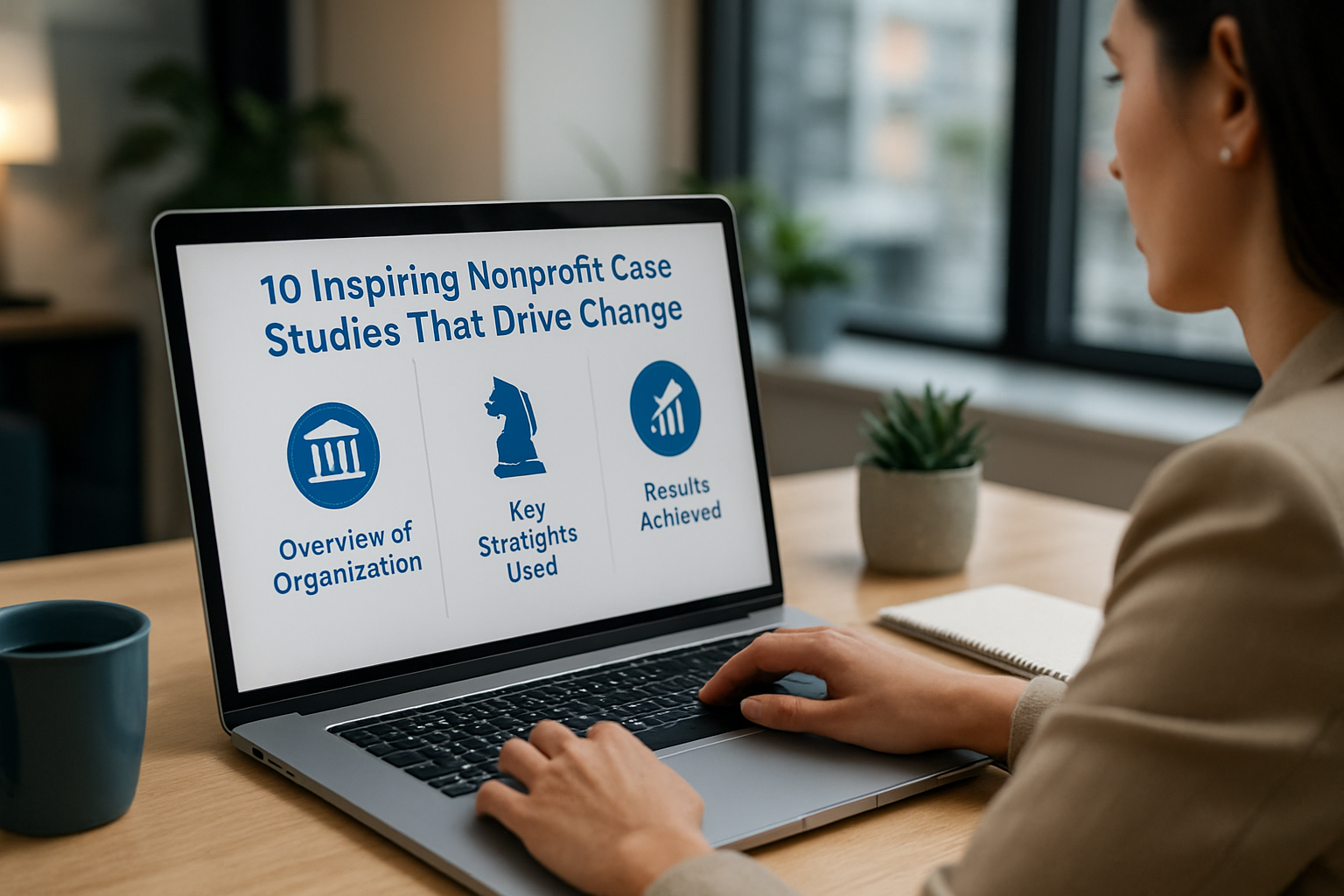
Overview of the Organization
One inspiring example of a nonprofit making a significant impact is Education for All, an organization dedicated to providing quality education to underserved youth. Founded in 2010, this nonprofit focuses on breaking down barriers that prevent children from accessing education. They work in various communities where educational resources are limited and strive to empower young minds through innovative programs.
Education for All emphasizes inclusive learning environments, ensuring that every child, regardless of their background, has the opportunity to succeed. Their efforts include after-school tutoring, mentorship programs, and scholarship opportunities for high school students. By addressing the educational gap, they aim to foster a generation of informed and engaged citizens.

Key Strategies Used
Education for All employs several effective strategies to maximize their impact on youth education. First, they focus on community engagement by collaborating with local schools, parents, and volunteers. This partnership approach ensures that programs are tailored to meet the specific needs of each community.
Second, they utilize innovative teaching methods, such as project-based learning, which encourages students to engage actively with the material. This hands-on approach fosters critical thinking and problem-solving skills. Additionally, they provide training for teachers to enhance their teaching techniques, ensuring a quality educational experience for all students.
Lastly, the organization leverages technology to expand access to resources. They offer online learning platforms that allow students to learn at their own pace while providing additional support through virtual tutoring sessions.
Results Achieved
The results achieved by Education for All are impressive and demonstrate the effectiveness of their strategies. In just five years, the organization has successfully increased school enrollment rates in targeted communities by 40%. Many students who previously struggled academically have shown significant improvement in their grades and overall confidence.
Moreover, the mentorship programs have helped over 300 high school students secure scholarships to attend college, paving the way for a brighter future. Feedback from parents and community members highlights a renewed sense of hope and investment in education, showcasing the transformative power of these initiatives.
Case Study 2: Environmental Conservation Efforts
Overview of the Organization
The second case study highlights Green Future, a nonprofit dedicated to environmental conservation efforts. Established in 2015, this organization focuses on protecting natural habitats while promoting sustainable practices in local communities. Green Future works tirelessly to combat climate change and raise awareness about environmental issues through various initiatives.
Their mission is to educate the public about the importance of preserving ecosystems and to inspire individuals to take action. By engaging with schools, businesses, and local governments, Green Future aims to create a collective effort toward sustainability and environmental stewardship.
Key Strategies Used
Green Future employs several key strategies to achieve its mission. First, they focus on community education through workshops and seminars that teach residents about sustainable practices, such as recycling and energy conservation. These events empower individuals to make informed choices that benefit the environment.
Second, the organization runs hands-on conservation projects, including tree planting and habitat restoration. Volunteers from the community actively participate in these initiatives, fostering a sense of ownership and responsibility for their local environment.
Additionally, Green Future collaborates with local businesses to promote eco-friendly practices. By encouraging companies to adopt sustainable policies, they help reduce the overall carbon footprint of the community.
Results Achieved
Green Future has achieved remarkable results since its inception. Over the past five years, they have successfully planted more than 10,000 trees, significantly improving air quality and enhancing local biodiversity.
Community participation in their workshops has increased by 60%, indicating a growing awareness and commitment to environmental issues. Furthermore, partnerships with local businesses have led to the adoption of sustainable practices by over 50 companies, creating a ripple effect of positive change in the community.
These accomplishments illustrate the powerful impact that targeted conservation efforts can have on both the environment and community engagement.
Case Study 3: Health Initiatives in Underserved Communities
Overview of the Organization
One notable nonprofit in the health sector is Health for All, an organization dedicated to improving healthcare access in underserved communities. Founded in 2012, Health for All focuses on providing essential medical services, education, and resources to populations that often face significant barriers to healthcare. Their mission is to ensure that everyone, regardless of their socioeconomic status, can receive the care they need.
Health for All operates through a network of mobile clinics and community health workers who deliver services directly to those in need. By addressing both physical and mental health, the organization aims to create healthier communities and promote overall well-being.
Key Strategies Used
Health for All employs several key strategies to effectively reach underserved populations. First, they utilize mobile clinics to bring healthcare services directly to communities with limited access to medical facilities. This approach allows them to reach individuals who may not have transportation or the means to visit a traditional clinic.
Second, the organization emphasizes health education by conducting workshops and seminars. These sessions focus on preventive care, nutrition, and mental health awareness, empowering community members to take charge of their health.
Additionally, Health for All collaborates with local organizations and government agencies to address systemic barriers to healthcare. By advocating for policy changes and increased funding for healthcare services, they work to create a more equitable healthcare system for all.
Results Achieved
Health for All has made significant strides in improving healthcare access and outcomes in underserved communities. Since its establishment, the organization has served over 50,000 individuals through its mobile clinics, providing essential services such as vaccinations, health screenings, and primary care.
Moreover, their health education initiatives have led to a 30% increase in community members seeking preventive care and regular check-ups. Feedback from participants indicates that many have adopted healthier lifestyles and are more aware of mental health issues. Through partnerships with local organizations, Health for All has successfully advocated for increased funding for healthcare services, resulting in better resources and support for the communities they serve.

Case Study 4: Empowering Women Through Microfinance
Overview of the Organization
Women’s Empowerment Fund is a nonprofit organization focused on providing microfinance opportunities to women in low-income communities. Founded in 2014, this organization aims to empower women by giving them access to small loans that can help them start or expand their businesses. By fostering economic independence, they strive to improve the overall quality of life for women and their families.
The Women’s Empowerment Fund operates in various regions, targeting areas where traditional banking services are limited. Their approach not only provides financial resources but also includes training and support to ensure women have the skills needed to succeed in their ventures.
Key Strategies Used
The Women’s Empowerment Fund employs several key strategies to effectively support women through microfinance. First, they offer tailored loan programs that cater to the unique needs of women entrepreneurs. These loans are designed with flexible repayment options, making it easier for women to manage their finances as they grow their businesses.
Second, the organization provides comprehensive training workshops covering essential topics such as financial literacy, business planning, and marketing strategies. This educational component equips women with the skills they need to make informed decisions and successfully manage their enterprises.
Additionally, the Women’s Empowerment Fund fosters a supportive community by connecting women borrowers with mentors and peer networks. This sense of community encourages collaboration and sharing of experiences, which can lead to further growth and empowerment.
Results Achieved
The results achieved by the Women’s Empowerment Fund have been transformative for many women in the communities they serve. Since its inception, the organization has disbursed over 8,000 microloans, helping women start or expand their businesses.
As a result, many participants have reported increased income and financial stability, with an average business growth rate of 40% within the first year of receiving a loan. Furthermore, the program has led to improved self-esteem and confidence among women, enabling them to take on leadership roles within their communities. Overall, these outcomes demonstrate the powerful impact of microfinance in empowering women and fostering economic development.
Case Study 5: Community Development and Housing Solutions
Overview of the Organization
Community Builders is a nonprofit organization dedicated to addressing housing challenges and promoting community development. Founded in 2011, their mission is to create affordable housing solutions while fostering vibrant communities. They focus on areas where residents face significant barriers to safe and stable living conditions.
Community Builders works with local governments, businesses, and residents to identify housing needs and develop tailored solutions. Their projects include building new homes, rehabilitating existing properties, and providing support services to help families maintain stable housing. By prioritizing community involvement, they ensure that their initiatives meet the specific needs of each neighborhood.

Key Strategies Used
Community Builders employs several effective strategies to achieve their goals. First, they engage in comprehensive community assessments to understand the unique housing challenges faced by residents. This data-driven approach enables them to develop targeted programs that address specific needs.
Second, the organization emphasizes collaboration with various stakeholders, including local governments and private developers. By forming partnerships, they can leverage resources and expertise to create sustainable housing solutions.
Additionally, Community Builders provides educational workshops for residents on topics such as financial literacy, home maintenance, and tenant rights. These initiatives empower individuals to take control of their housing situations and promote long-term stability within the community.
Results Achieved
The impact of Community Builders’ efforts has been significant. Since its inception, the organization has successfully developed over 500 affordable housing units, providing families with safe and stable living environments.
Moreover, their educational programs have reached more than 1,200 residents, equipping them with essential skills and knowledge related to housing and finances. Feedback from participants indicates increased confidence in managing their housing situations, leading to lower eviction rates and improved community cohesion. Overall, Community Builders exemplifies how targeted housing initiatives can foster positive change in communities.
Case Study 6: Arts and Culture for Social Change
Overview of the Organization
Art for Change is a nonprofit organization that harnesses the power of arts and culture to drive social change. Founded in 2016, their mission is to use creative expression as a tool for community empowerment and advocacy. By engaging artists and community members, Art for Change aims to address social issues such as inequality, discrimination, and environmental justice through various artistic mediums.
The organization organizes workshops, public art projects, and performances that encourage dialogue and reflection on pressing social issues. By fostering collaboration among artists, activists, and community members, Art for Change creates platforms for underrepresented voices and promotes cultural understanding.
Key Strategies Used
Art for Change employs several key strategies to effectively promote social change through the arts. First, they focus on community engagement by involving local residents in the creation of art projects. This participatory approach ensures that the artwork reflects the unique experiences and perspectives of the community.
Second, the organization collaborates with schools and educational institutions to integrate arts into curricula. By providing training for teachers and resources for students, Art for Change helps cultivate creativity and critical thinking skills among young people.
Additionally, they host public events and exhibitions to showcase the work of local artists while raising awareness about important social issues. These events foster a sense of community and encourage open discussions, ultimately inspiring action and change.
Results Achieved
Art for Change has achieved remarkable results since its establishment. Through various projects, the organization has engaged over 10,000 community members in artistic initiatives that promote social awareness and healing.
One notable outcome is the successful completion of a mural project that addressed local issues of inequality and discrimination. This mural not only beautified the neighborhood but also sparked conversations among residents about these critical topics. Additionally, Art for Change has partnered with schools to integrate arts education into their programs, reaching over 1,500 students and enhancing their creative skills.
Feedback from participants indicates that many feel more empowered to express themselves and advocate for change within their communities. Overall, the organization’s efforts demonstrate the transformative power of arts and culture in fostering social change.

Case Study 7: Disaster Relief and Recovery
Overview of the Organization
Relief Now is a nonprofit organization dedicated to providing immediate assistance and long-term recovery solutions for communities affected by disasters. Founded in 2010, Relief Now focuses on both natural disasters, such as hurricanes and earthquakes, and humanitarian crises, like refugee displacement. Their mission is to deliver aid quickly while empowering communities to rebuild and recover.
Relief Now operates through a network of volunteers and partnerships with local organizations to ensure that assistance reaches those in need promptly. Their programs include emergency shelter, food distribution, and mental health support for individuals impacted by disasters. By prioritizing community involvement, Relief Now aims to create resilient communities that can thrive even after facing adversity.
Key Strategies Used
Relief Now employs several key strategies to effectively respond to disasters and support recovery efforts. First, they prioritize rapid response by maintaining a well-trained team of volunteers ready to mobilize at a moment’s notice. This preparedness ensures that they can provide immediate assistance, such as food, water, and medical supplies, to affected communities.
Second, the organization conducts thorough assessments of the needs in disaster-stricken areas. By collaborating with local leaders and organizations, Relief Now ensures that their response is tailored to the specific challenges faced by each community.
Additionally, Relief Now emphasizes the importance of long-term recovery by providing resources for rebuilding infrastructure and supporting mental health services. They offer counseling and support groups to help individuals cope with trauma and rebuild their lives after a disaster.
Results Achieved
The impact of Relief Now’s efforts has been significant. Since its inception, the organization has assisted over 200,000 individuals during various disaster responses. Their rapid response teams have deployed within hours of major events, providing essential supplies and support to those affected.
Moreover, Relief Now has successfully facilitated the rebuilding of over 1,500 homes and community centers, helping families regain stability. Their mental health programs have reached more than 10,000 individuals, offering vital support to those struggling with the emotional aftermath of disasters. Feedback from community members highlights the importance of Relief Now’s work in fostering resilience and recovery in the face of adversity.
Case Study 8: Supporting Mental Health Awareness
Overview of the Organization
Mindful Lives is a nonprofit organization dedicated to raising awareness about mental health issues and providing support to individuals in need. Founded in 2018, their mission is to reduce the stigma surrounding mental health while promoting access to resources and services. Mindful Lives focuses on underserved communities where mental health support is often lacking.
The organization offers various programs, including workshops, support groups, and community outreach initiatives. By engaging with individuals and families, Mindful Lives aims to foster a culture of understanding and acceptance regarding mental health challenges, ensuring that everyone feels empowered to seek help.

Key Strategies Used
Mindful Lives employs several key strategies to effectively promote mental health awareness. First, they conduct educational workshops that cover topics such as stress management, coping techniques, and the importance of seeking help. These sessions empower participants with knowledge and tools to improve their mental well-being.
Second, the organization facilitates peer support groups where individuals can share their experiences and connect with others facing similar challenges. This sense of community helps reduce feelings of isolation and encourages open discussions about mental health.
Additionally, Mindful Lives partners with local schools and organizations to integrate mental health education into existing programs. By reaching young people early, they aim to instill healthy habits and attitudes toward mental health from an early age.
Results Achieved
Mindful Lives has made a significant impact since its founding. They have successfully reached over 5,000 individuals through their workshops and support groups, providing vital resources and information.
Feedback from participants indicates that many have experienced improved mental well-being and increased confidence in discussing their mental health. The organization has also collaborated with local schools to implement mental health education programs, benefiting over 1,200 students. Overall, Mindful Lives exemplifies how targeted efforts can raise awareness and support individuals in their mental health journeys.
Case Study 9: Food Security Initiatives
Overview of the Organization
Food for All is a nonprofit organization dedicated to addressing food insecurity in underserved communities. Founded in 2015, their mission is to ensure that everyone has access to nutritious food, regardless of their economic situation. Food for All focuses on providing immediate relief through food distribution while also working towards long-term solutions to combat hunger.
The organization operates food pantries, community gardens, and educational programs aimed at promoting healthy eating. By engaging with local partners and volunteers, Food for All strives to create sustainable food systems that empower individuals and families to thrive.
Key Strategies Used
Food for All employs several effective strategies to tackle food insecurity. First, they operate mobile food pantries that deliver fresh produce and staples directly to neighborhoods in need. This approach ensures that food reaches those who may have difficulty accessing traditional food sources.
Second, the organization emphasizes community engagement by involving residents in their programs. Through volunteer opportunities and partnerships with local businesses, Food for All fosters a sense of ownership and collaboration within the community.
Additionally, they provide nutrition education workshops that teach participants about healthy cooking, meal planning, and budgeting for food. By equipping individuals with knowledge and skills, Food for All empowers them to make healthier choices and improve their overall well-being.
Results Achieved
Food for All has made significant strides in addressing food insecurity since its inception. The organization has distributed over 1 million pounds of food to families in need, ensuring that thousands have access to nutritious meals.
Their mobile food pantries have reached more than 15,000 individuals, providing immediate relief during times of crisis. Additionally, the community gardens they established have empowered residents to grow their own food, resulting in increased self-sufficiency and improved dietary habits.
Feedback from participants indicates a greater awareness of nutrition and healthier eating practices. Overall, Food for All exemplifies how targeted initiatives can effectively combat food insecurity and foster community resilience.

Case Study 10: Advocacy for Human Rights
Overview of the Organization
Human Rights Advocates is a nonprofit organization focused on promoting and protecting human rights for marginalized communities. Founded in 2008, their mission is to raise awareness about human rights violations while advocating for policy changes that support justice and equality.
Human Rights Advocates works with local and international partners to address issues such as discrimination, violence, and social injustice. They aim to empower individuals through education, legal assistance, and advocacy campaigns, ensuring that every voice is heard and valued.
Key Strategies Used
Human Rights Advocates employs several key strategies to effectively promote human rights. First, they conduct awareness campaigns that highlight specific issues facing marginalized communities. These campaigns utilize social media, community events, and partnerships with local organizations to engage a wider audience and foster understanding.
Second, the organization provides legal support and resources for individuals facing human rights violations. They offer workshops and consultations to educate individuals about their rights and how to seek justice. This empowerment approach helps victims navigate complex legal systems.
Additionally, Human Rights Advocates actively collaborates with policymakers to influence legislation that protects human rights. By advocating for policy changes at local, national, and international levels, they work to create a more just society for all.
Results Achieved
The impact of Human Rights Advocates’ efforts has been profound. Since its founding, the organization has successfully raised awareness about critical human rights issues, reaching over 100,000 individuals through various campaigns and events.
Their legal support initiatives have assisted more than 3,000 individuals in seeking justice and navigating legal challenges. Additionally, Human Rights Advocates has played a role in influencing key policy changes, resulting in improved protections for marginalized communities. Feedback from beneficiaries highlights a renewed sense of hope and empowerment, showcasing the vital role of advocacy in promoting human rights.
Conclusion: The Power of Nonprofit Case Studies
Encouragement to Share Stories
Nonprofit case studies serve as powerful tools for storytelling, allowing organizations to showcase their impact and connect with supporters. By sharing their successes and challenges, nonprofits can inspire others and foster a sense of community. It is essential for organizations to document their journeys and share these stories widely, as they not only highlight the importance of their work but also encourage collaboration and support from the public.
Every story matters, and by amplifying these narratives, nonprofits can attract more donors and volunteers who resonate with their mission. Whether through social media, newsletters, or community events, sharing stories creates a ripple effect that can lead to greater awareness and action.

Final Thoughts on Driving Change
In conclusion, nonprofit case studies are invaluable for driving change within communities. They provide concrete evidence of the impact organizations can make and serve as inspiration for others to follow suit. By leveraging the lessons learned from these case studies, nonprofits can refine their strategies, engage with their audiences more effectively, and ultimately create a lasting difference in the lives of those they serve.
As we continue to face various social challenges, it is crucial for nonprofits to harness the power of storytelling. By doing so, they not only elevate their missions but also contribute to a broader movement towards positive change. Sharing successes, challenges, and innovative solutions can empower others to join the cause, making the world a better place for everyone.
FAQ
What is the 5% rule for nonprofits?
The 5% rule for nonprofits refers to a guideline that suggests organizations should allocate at least 5% of their annual budget to fundraising efforts. This approach ensures that nonprofits invest in activities that can generate more revenue, allowing them to sustain and grow their programs. By focusing on effective fundraising strategies, nonprofits can enhance their visibility and reach more beneficiaries.
What is the 80/20 rule for nonprofits?
The 80/20 rule, also known as the Pareto Principle, suggests that 80% of a nonprofit’s results come from 20% of its efforts. This means that a small portion of activities or donors often generates the majority of an organization’s impact. Understanding this principle can help nonprofits focus their resources on the most effective initiatives, enhancing their overall effectiveness and efficiency.
What are the 5 components of a case study?
A well-structured case study typically includes five key components:
- Introduction: Provides background information on the organization and the issue being addressed.
- Objectives: Outlines the goals of the project or initiative.
- Methods: Describes the strategies and approaches used to achieve the objectives.
- Results: Presents the outcomes and impact of the project, supported by data and testimonials.
- Conclusion: Summarizes the lessons learned and recommendations for future initiatives.
These components help create a comprehensive narrative that showcases the organization’s work and its significance in driving change.
What is the most successful nonprofit organization?
Determining the “most successful” nonprofit organization can vary based on different criteria such as impact, revenue, or reach. However, organizations like The Red Cross and Doctors Without Borders are often highlighted for their extensive global reach and significant contributions to humanitarian efforts. These organizations exemplify how effective nonprofit case studies can illustrate their successes and inspire others to contribute to their missions. By sharing these stories, they not only gain visibility but also encourage support from the community.