
Nonprofits often struggle to keep their supporters engaged. Without effective communication, it’s easy for donors and volunteers to feel disconnected. This can lead to decreased donations and fewer volunteers. However, using nonprofit newsletter examples can change the game. By showcasing inspiring stories and impactful updates, nonprofits can foster a sense of community and encourage ongoing support. This blog post will highlight ten standout newsletters that effectively engage their audience.
- Discover why nonprofit newsletter examples are crucial for engagement.
- Learn key features that make newsletters effective.
- Explore ten inspiring examples from various nonprofits.
- Get tips for crafting your own engaging newsletter.
Why Nonprofit Newsletter Examples Matter
Nonprofit newsletter examples play a vital role in keeping supporters informed and engaged. They serve as a bridge between the organization and its audience, providing updates on projects, events, and successes. When done right, newsletters can inspire action, whether that means donating, volunteering, or simply spreading the word.
Many nonprofits face the challenge of maintaining consistent communication. A well-crafted newsletter can help alleviate this issue by delivering valuable content directly to inboxes. By sharing success stories and upcoming events, organizations can keep their supporters excited and involved.
Moreover, these newsletters can establish a strong brand identity. They showcase an organization’s mission and values, allowing supporters to connect on a deeper level. In a crowded nonprofit landscape, standing out is essential. Engaging nonprofit newsletter examples can make all the difference in building lasting relationships with donors and volunteers.
Key Features of Effective Nonprofit Newsletters
Creating an effective nonprofit newsletter means incorporating several key features that boost engagement. First and foremost, the content should be relevant and valuable to the audience. This means sharing stories that resonate with supporters, such as success stories, upcoming events, and ways to get involved.
Another essential feature is consistency in branding. This includes using a recognizable logo, color scheme, and tone of voice. When supporters see familiar elements, it reinforces their connection to the organization. A well-structured layout also enhances readability, making it easier for readers to digest information quickly.
Finally, incorporating interactive elements, like surveys or polls, can further engage readers. These features not only make newsletters more dynamic but also allow nonprofits to gather valuable feedback from their audience.
Engaging Subject Lines in Nonprofit Newsletter Examples
The subject line is the first thing recipients see, so it needs to grab attention immediately. Engaging subject lines can significantly increase open rates for newsletters. They should be concise yet compelling, sparking curiosity or urgency. For instance, a subject line like “See How Your Support Changed Lives!” creates a personal connection and encourages readers to open the email.
Using action words and emotional triggers can also enhance subject lines. Phrases like “Join Us in Making a Difference” appeal to the reader’s desire to contribute. Additionally, personalization can make a big impact. Including the recipient’s name or referencing past involvement can make the message feel tailored specifically for them.
Experimenting with different subject lines can help organizations find what resonates best with their audience. Tracking open rates and adjusting accordingly ensures that newsletters remain engaging and effective.
Visual Appeal in Nonprofit Newsletter Examples
Visual appeal is crucial in crafting an effective nonprofit newsletter. A clean, attractive design captures attention and keeps readers engaged. Using high-quality images, infographics, and videos can help convey messages more powerfully than text alone. For example, a striking photo from a recent event can evoke emotions and encourage readers to connect with the cause.
Incorporating brand colors and fonts consistently throughout the newsletter strengthens the organization’s identity. This creates a cohesive look that readers will recognize. Additionally, using white space effectively helps prevent overwhelming the reader. It allows important information to stand out and makes the content easier to navigate.
Including the image below can enhance the overall visual appeal of the newsletter:

Ultimately, a visually appealing newsletter not only attracts attention but also enhances the overall reading experience, encouraging supporters to stay engaged.
Clear Calls to Action in Nonprofit Newsletter Examples
A clear call to action (CTA) is essential in nonprofit newsletters. It guides readers on what to do next, whether it’s donating, signing up for an event, or sharing the newsletter with friends. Effective CTAs are straightforward and compelling, prompting immediate responses. For example, phrases like “Donate Now to Make a Difference” create a sense of urgency and encourage action.
Positioning CTAs prominently within the newsletter also increases visibility. They should stand out visually, using contrasting colors or buttons that draw attention. Additionally, placing CTAs strategically throughout the newsletter, not just at the end, can capture interest at various points in the reading experience.
Using action-oriented language is crucial. Instead of saying “Learn More,” consider “Discover How You Can Help.” This kind of phrasing emphasizes the reader’s role in making a change. By crafting clear and engaging calls to action, nonprofits can significantly boost engagement and drive desired outcomes.
Nonprofit Newsletter Examples That Stand Out
Highlighting standout nonprofit newsletter examples can inspire organizations to enhance their own communications. These newsletters not only engage their audience but also effectively convey important messages. Below are two exceptional examples that illustrate how effective newsletters can boost engagement and showcase an organization’s mission.
Example 1: The Humane Society’s Monthly Update
The Humane Society’s Monthly Update is a fantastic example of an engaging nonprofit newsletter. It features heartwarming stories about rescued animals, which helps readers connect emotionally with the cause. Each edition includes vibrant images of animals in need, making the content visually appealing.
Additionally, the newsletter incorporates clear calls to action, encouraging readers to donate or volunteer. The layout is clean and easy to navigate, ensuring that supporters can quickly find information. Overall, this newsletter effectively fosters a sense of community among animal lovers and drives engagement.
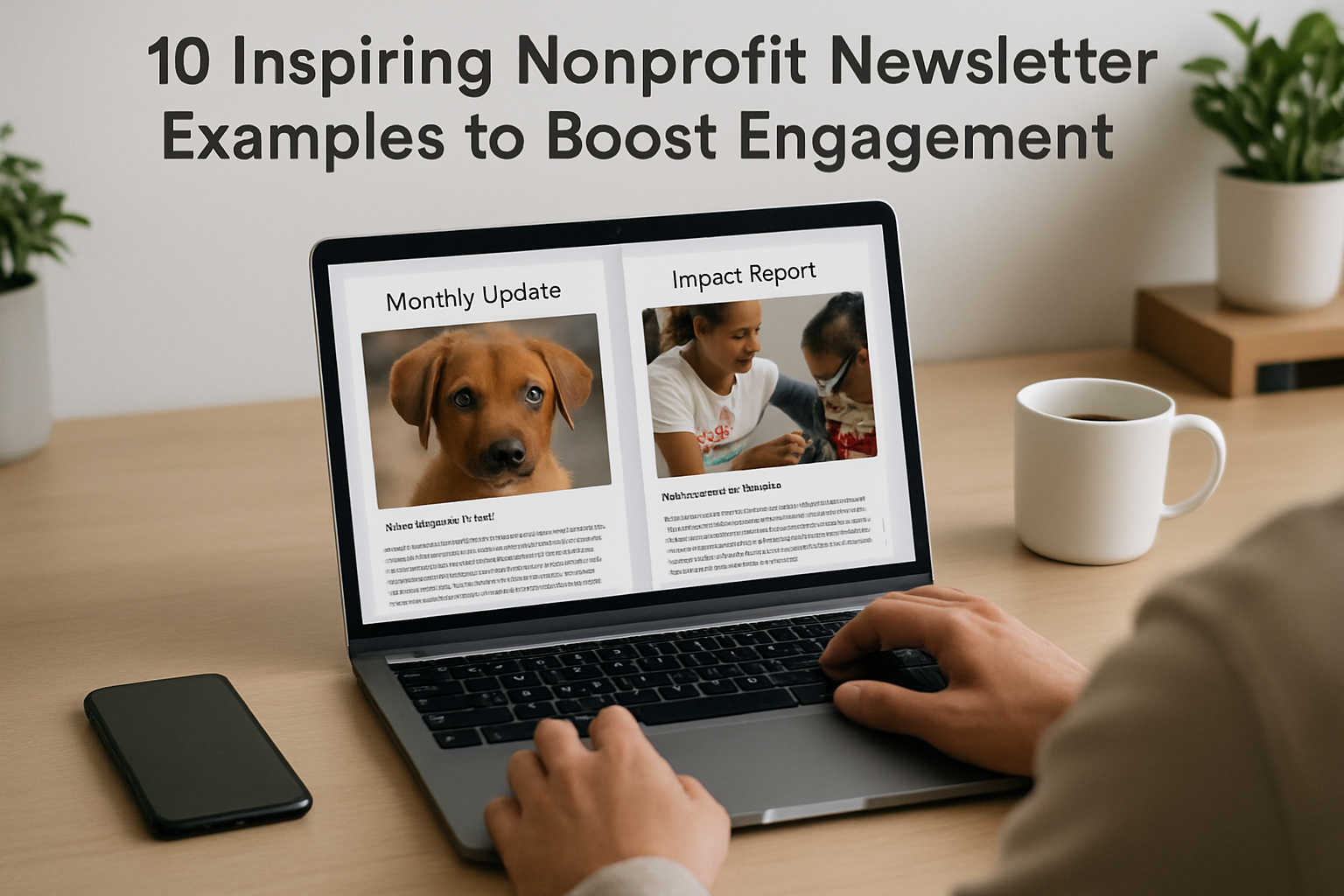
Example 2: Doctors Without Borders’ Impact Report
Doctors Without Borders’ Impact Report stands out for its powerful storytelling and impactful visuals. This newsletter focuses on real-life stories from field workers, highlighting the organization’s work in crisis zones. By sharing these narratives, it helps readers understand the importance of their support.
The report uses infographics to present data clearly, showing the impact of donations and volunteer efforts. This transparency builds trust with supporters. The newsletter also features direct links for donations and ways to get involved, making it easy for readers to take action. Overall, this example demonstrates how effective communication can inspire greater involvement in a worthy cause.
Example 3: World Wildlife Fund’s Conservation Newsletter
The World Wildlife Fund’s (WWF) Conservation Newsletter is a prime example of effective communication. It features stunning photography of wildlife and natural habitats, immediately capturing the reader’s attention. Each edition includes updates on conservation efforts and success stories, showcasing the positive impact of donations.
Additionally, WWF incorporates interactive elements, such as quizzes or polls, to engage readers further. This not only makes the newsletter more enjoyable but also encourages participation. Clear calls to action invite supporters to get involved, whether through donations or advocacy efforts. Overall, this newsletter effectively raises awareness about environmental issues while fostering a strong community of supporters.
Example 4: Habitat for Humanity’s Volunteer Spotlight
Habitat for Humanity’s Volunteer Spotlight newsletter is an excellent way to celebrate the contributions of its volunteers. Each issue highlights individual stories, showcasing the impact of their work in building homes for those in need. This personal touch helps create a sense of belonging among supporters.
The newsletter includes vibrant images of volunteers in action, making the content visually appealing. Additionally, it provides information on upcoming volunteer opportunities, encouraging readers to participate. Clear calls to action prompt readers to sign up and make a difference in their communities. By recognizing volunteers, this newsletter fosters loyalty and inspires others to get involved.
Example 5: American Red Cross’ Emergency Preparedness Tips
The American Red Cross’ Emergency Preparedness Tips newsletter is crucial for educating the public on disaster readiness. Each edition provides practical advice on how to prepare for various emergencies, such as floods or wildfires. This valuable information empowers readers to take action and protect themselves and their families.
The newsletter is designed with easy-to-read sections, making it accessible for all audiences. Engaging visuals complement the text, helping to illustrate key points. Additionally, the newsletter includes links to resources and training courses, enhancing its usefulness. By providing essential information, the American Red Cross establishes itself as a trusted resource while encouraging community preparedness.
Example 6: St. Jude Children’s Research Hospital’s Family Stories
St. Jude Children’s Research Hospital’s Family Stories newsletter is a touching example of how storytelling can engage supporters. Each edition features heartfelt narratives from families whose children have received care at St. Jude. These stories highlight the hospital’s impact and inspire readers to contribute to its mission.
The newsletter is visually appealing, incorporating vibrant photos of children and families, which helps create an emotional connection. Additionally, it includes updates on research advancements and treatment options, showcasing the organization’s commitment to fighting childhood cancer. Clear calls to action encourage readers to donate or participate in fundraising events. Overall, this newsletter effectively fosters community support through powerful storytelling.
Example 7: Feeding America’s Community Impact Newsletter
Feeding America’s Community Impact Newsletter stands out for its focus on the organization’s achievements in combating hunger. Each issue highlights local food banks and their efforts to provide meals to those in need. By showcasing success stories, the newsletter demonstrates the tangible impact of donations.
The layout is clean and easy to read, with infographics that present statistics on food insecurity. This visual data helps convey the seriousness of the issue while also celebrating progress. Calls to action encourage readers to volunteer or donate, making it easy for supporters to get involved. Overall, this newsletter effectively raises awareness about hunger while motivating action in the community.
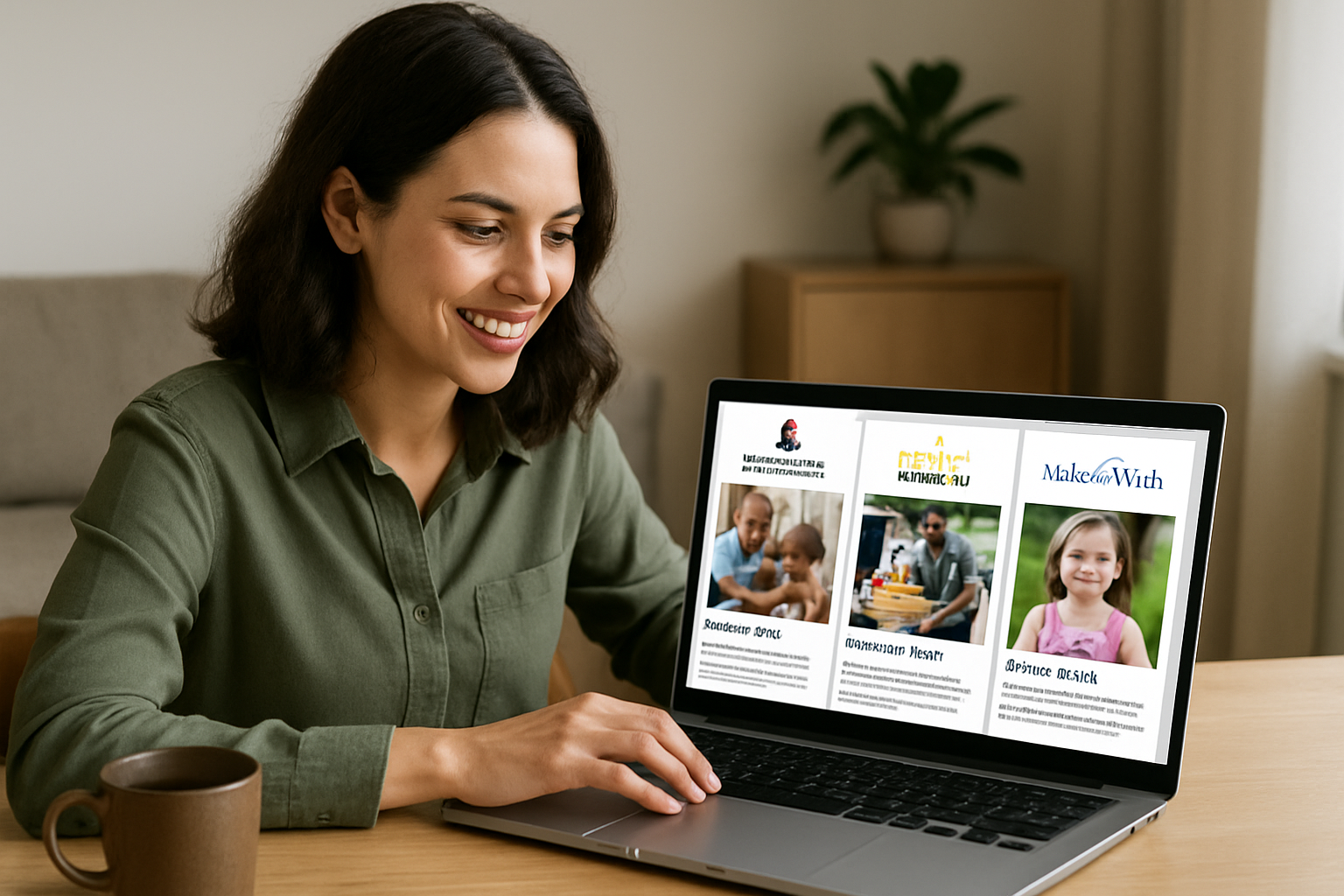
Example 8: Make-A-Wish Foundation’s Wish Stories
The Make-A-Wish Foundation’s Wish Stories newsletter is a beautiful showcase of hope and inspiration. Each edition features a child’s wish experience, detailing the joy it brings to families facing difficult times. These personal stories create an emotional connection with readers and highlight the importance of donations.
Visually, the newsletter uses bright colors and engaging images that reflect the happiness associated with each wish. It also includes updates on upcoming events and ways to support the foundation, ensuring readers know how they can help. By sharing these heartwarming stories, the newsletter fosters a strong sense of community and encourages ongoing support for the foundation’s mission.
Example 9: National Public Radio’s Listener Engagement Newsletter
National Public Radio’s (NPR) Listener Engagement Newsletter is a prime example of effective communication that fosters community. Each edition includes highlights from recent programs, listener feedback, and upcoming events. By actively involving listeners in the conversation, NPR builds a loyal audience that feels connected to the brand.
The newsletter features engaging visuals and concise summaries, making it easy for readers to find topics of interest. Additionally, NPR incorporates surveys and polls to gather listener opinions, encouraging active participation. Clear calls to action prompt readers to share their thoughts or support NPR through donations. Overall, this newsletter successfully strengthens the relationship between NPR and its audience while promoting engagement.
Example 10: The Nature Conservancy’s Environmental Updates
The Nature Conservancy’s Environmental Updates newsletter stands out for its commitment to raising awareness about conservation efforts. Each issue provides updates on projects, success stories, and ways readers can get involved. This informative approach helps educate supporters about environmental challenges and solutions.
Visually, the newsletter is appealing, featuring stunning images of nature and wildlife. It also includes infographics that effectively convey important data related to conservation efforts. Clear calls to action invite readers to participate in campaigns, donate, or volunteer. By combining education with engagement, this newsletter inspires action and fosters a strong community dedicated to protecting the planet.
Tips for Crafting Your Own Nonprofit Newsletter Examples
Crafting an effective nonprofit newsletter requires thoughtful planning and execution. Start by identifying your goals—whether it’s increasing donations, boosting volunteer sign-ups, or raising awareness. Knowing what you want to achieve will guide your content and design choices.
Engaging storytelling is key. Highlight personal stories and successes that resonate with your audience. Use visuals to complement your messages, as images can evoke emotions and enhance understanding. Additionally, ensure your newsletter is mobile-friendly, as many readers access emails on their smartphones.
Lastly, always include clear calls to action that encourage your audience to engage further. By following these tips, nonprofits can create newsletters that effectively connect with supporters.
Understanding Your Audience for Nonprofit Newsletter Examples
Understanding your audience is critical when creating nonprofit newsletter examples. Start by segmenting your audience based on factors such as demographics, interests, and past engagement. This allows for tailored content that speaks directly to each group’s needs and preferences.
Consider conducting surveys or analyzing past newsletter performance to gather insights. Knowing what topics resonate most with your audience helps in crafting relevant content. Additionally, be mindful of the tone and language used. An informal, friendly tone may work better for some audiences, while a more professional approach may suit others.
By understanding your audience, you can create newsletters that feel personalized and engaging, ultimately leading to higher levels of support.
Choosing the Right Format in Nonprofit Newsletter Examples
Choosing the right format for your nonprofit newsletter is essential for maximizing engagement. Start by deciding whether to use a traditional email format, a PDF attachment, or an online platform. Each format has its pros and cons, so consider your audience’s preferences.
A visually appealing layout is crucial. Use headings, bullet points, and images to break up text and make it easy to skim. Incorporating sections like “Upcoming Events,” “Volunteer Spotlights,” or “Success Stories” can help organize content effectively.
Additionally, ensure that your newsletter is responsive and looks good on both desktop and mobile devices. A well-structured format enhances readability and encourages recipients to engage with the content.
Measuring Success of Nonprofit Newsletter Examples
Measuring the success of your nonprofit newsletter examples is crucial for understanding their impact and improving future editions. Start by tracking key performance indicators (KPIs) such as open rates, click-through rates, and conversion rates. These metrics provide insights into how well your newsletter is engaging readers.
Using tools like Google Analytics or email marketing platforms can help you gather data effectively. For instance, analyzing which links are clicked most frequently can reveal what content resonates with your audience. Additionally, consider conducting surveys to gather direct feedback from subscribers about what they enjoy and what could be improved.
Regularly reviewing this data will allow you to make informed adjustments to your content, design, and overall strategy. By continually measuring success, nonprofits can enhance their newsletters and foster stronger connections with supporters.
Conclusion: Boost Engagement with Inspiring Nonprofit Newsletter Examples
Creating engaging nonprofit newsletter examples is essential for fostering a strong connection with supporters. By incorporating storytelling, clear calls to action, and visually appealing designs, nonprofits can effectively communicate their mission and impact. The examples discussed highlight the importance of understanding your audience and measuring success to continually improve your newsletters.
As you craft your own newsletters, remember to focus on what resonates with your audience. Use the tips provided to create content that inspires action and builds community. Ultimately, an effective newsletter not only informs but also motivates supporters to engage with your cause actively.

Frequently Asked Questions (FAQ)
What makes a nonprofit newsletter effective?
An effective nonprofit newsletter combines engaging storytelling, clear calls to action, and visually appealing design. It should resonate with your audience by sharing relevant content, such as success stories and upcoming events. Understanding your audience is crucial, as it allows you to tailor the newsletter’s tone and topics to their interests. For more tips on crafting your own newsletter, check out our guide on content strategy for nonprofits.
How often should I send out my nonprofit newsletter?
The frequency of your nonprofit newsletter depends on your organization’s capacity and audience preferences. Monthly newsletters are common, but some organizations may opt for bi-monthly or quarterly updates. Consistency is key; choose a schedule that you can maintain without sacrificing quality. To learn more about maximizing engagement, visit our page on how to grow a nonprofit organization.
What types of content should I include in my nonprofit newsletter?
Your nonprofit newsletter should include a mix of content that informs, engages, and inspires action. Consider including:
- Success stories from beneficiaries
- Upcoming events and volunteer opportunities
- Educational resources related to your mission
- Clear calls to action for donations or support
For more ideas on compelling storytelling, explore our articles on personal storytelling and creative storytelling.
How can I measure the success of my nonprofit newsletter?
To measure the success of your newsletter, track key performance indicators (KPIs) like open rates, click-through rates, and conversion rates. Analyzing these metrics will help you understand what content resonates with your audience. Tools like Google Analytics can provide valuable insights. For further guidance on measuring success, check out our tips on marketing automation for nonprofits.
How can I improve my nonprofit newsletter over time?
Improving your nonprofit newsletter involves regularly reviewing performance data and gathering feedback from your audience. Conduct surveys to learn what readers enjoy and what they would like to see more of. This information can help you refine your content and approach. For additional strategies on enhancing your communication, read about communication tools for nonprofits.
By addressing these questions, you can create a more effective and engaging nonprofit newsletter that strengthens connections with your supporters.