

Nonprofits play a crucial role in addressing social issues and making a positive impact. Yet, many struggle to gain visibility and support. This can be frustrating for those who want to make a difference. Fortunately, some organizations have found a way to shine by focusing on their missions, engaging communities, and building strong relationships with donors. In this blog post, we’ll explore what sets the largest nonprofit in the US apart, highlighting their unique approaches and inspiring stories.
- Discover what makes these nonprofits successful.
- Learn about their mission-driven focus.
- Understand how they engage with communities effectively.
- Explore their transparency and accountability practices.
- Get inspired by real-life examples of change.
What Makes These Nonprofits Stand Out?
These nonprofits stand out because they are not just about raising money; they are deeply committed to their missions. Each organization has a clear purpose that drives its activities. This mission-driven focus helps them create meaningful change in society. For instance, organizations like Feeding America work tirelessly to eliminate hunger, while the American Red Cross focuses on disaster relief. Their dedication to specific causes allows them to connect with supporters on a personal level, fostering loyalty and trust.
By prioritizing their missions, these nonprofits also attract passionate volunteers and donors. People want to be part of something bigger than themselves. When they see a nonprofit making a real difference, they are more likely to contribute their time and resources. This cycle of support amplifies the impact of these organizations and inspires others to join the cause.
Mission-Driven Focus
A mission-driven focus is essential for any nonprofit aiming to make a lasting impact. It provides direction and clarity, ensuring that every action aligns with the organization’s goals. For example, St. Jude Children’s Research Hospital is dedicated to treating and defeating pediatric cancer. Their unwavering commitment to this mission attracts generous donations and skilled professionals who want to help.
By clearly communicating their mission, these nonprofits build strong connections with their audiences. Supporters feel invested in the cause and are more likely to share their stories. This creates a ripple effect, encouraging others to get involved and support the mission. Moreover, a strong mission can attract partnerships with businesses and other organizations, further expanding their reach and resources.
Community Engagement
Community engagement is another critical factor that sets these nonprofits apart. They actively involve local communities in their initiatives, creating a sense of ownership and shared purpose. For instance, Habitat for Humanity encourages volunteers to help build homes in their neighborhoods. This hands-on approach not only fosters community spirit but also raises awareness about the importance of affordable housing.
Effective community engagement goes beyond just recruiting volunteers. It involves listening to the needs and concerns of the community. By understanding what matters most to the people they serve, nonprofits can tailor their programs and initiatives accordingly. This responsiveness strengthens relationships and builds trust, making it more likely that community members will support the organization in return.
Transparency and Accountability
Transparency and accountability are vital components for any nonprofit organization, especially for those recognized as the largest nonprofit in the US. These organizations must demonstrate that they use resources wisely and ethically. For instance, the American Red Cross publishes annual reports detailing their financial health and how donations are spent. This openness builds trust with donors and supporters, assuring them that their contributions are making a real difference.
Moreover, accountability involves being answerable to stakeholders, including donors, volunteers, and the communities they serve. Nonprofits that actively seek feedback and address concerns show that they value input from their supporters. This two-way communication fosters a culture of trust and collaboration.

By prioritizing transparency and accountability, these organizations not only enhance their credibility but also inspire others to follow suit. When people see a nonprofit being open about its operations, they are more likely to support it, knowing their money is going to a worthy cause.
Overview of the Largest Nonprofit in US
The largest nonprofit in the US plays a significant role in addressing various social issues. These organizations are dedicated to serving the public good rather than generating profit. They focus on causes such as education, health care, poverty alleviation, and environmental protection. By understanding their structure and purpose, we can appreciate their impact on society.
Nonprofits often rely on donations, grants, and volunteers to operate. Their effectiveness hinges on the ability to mobilize resources and engage communities. This overview will highlight the definition of nonprofits and their importance in our society, showcasing why they matter.
Definition of Nonprofits
Nonprofits are organizations that operate for purposes other than making a profit. They are often classified under section 501(c)(3) of the Internal Revenue Code, which allows them to receive tax-deductible donations. Unlike businesses, any surplus revenue generated by nonprofits is reinvested into their programs and services instead of being distributed to shareholders.
These organizations can take various forms, including charities, foundations, and advocacy groups. Each type serves a specific function, whether it’s providing direct assistance, funding research, or promoting awareness. Understanding the definition of nonprofits helps clarify their vital role in creating positive change.
Importance in Society
Nonprofits hold immense importance in society as they address gaps that government and private sectors may overlook. They tackle critical issues like hunger, education, healthcare, and environmental conservation. For example, Feeding America works tirelessly to combat food insecurity, while the World Wildlife Fund focuses on wildlife preservation.
By filling these gaps, nonprofits enhance community resilience and promote social welfare. They also empower individuals by providing resources and support systems. Furthermore, nonprofits often inspire civic engagement, encouraging people to volunteer and advocate for change. Their contributions are essential in fostering a more equitable and compassionate society.
The Largest Nonprofit in US: Detailed Profiles
The largest nonprofit in the US includes a variety of organizations making significant impacts across different sectors. Each of these nonprofits has its own mission and approach to creating change. In this section, we will delve into the profiles of some of the most influential nonprofits, beginning with United Way Worldwide.
1. United Way Worldwide
Mission and Impact
United Way Worldwide aims to improve lives by mobilizing the caring power of communities. Their mission is to create lasting change in education, income stability, and health. They work with local partners to identify community needs and develop solutions tailored to those challenges.
For instance, United Way supports programs that help children succeed in school, provide job training for adults, and ensure access to healthcare. Their impact is felt nationwide, as they collaborate with various stakeholders to tackle pressing issues.

By focusing on these critical areas, United Way has significantly improved the quality of life for countless individuals and families. Their holistic approach demonstrates the power of community collaboration in addressing social challenges effectively.
Key Programs
United Way Worldwide implements several key programs designed to address community needs effectively. One of their primary initiatives is the Success By 6 program, which focuses on early childhood education. This program helps ensure that children are prepared for school by providing resources and support to families.
Another important initiative is the Volunteer Income Tax Assistance (VITA) program. It offers free tax preparation services to low-income individuals, helping them maximize their refunds and gain financial stability. Additionally, United Way promotes Health and Wellness initiatives that encourage healthy lifestyles and access to medical care.
Through these programs, United Way Worldwide demonstrates its commitment to creating lasting change in communities across the country.
2. Feeding America
Mission and Impact
Feeding America is dedicated to combating hunger in the United States. Their mission is to provide food assistance to those in need while raising awareness about food insecurity. They operate a nationwide network of food banks, pantries, and meal programs that distribute millions of meals each year.
The impact of Feeding America is profound. They serve over 40 million people, including children and seniors, who struggle with hunger. By partnering with local organizations, they ensure that food reaches those who need it most. Their efforts not only address immediate hunger but also work towards long-term solutions, such as improving access to nutritious food and advocating for policy changes.
Key Programs
Feeding America operates several key programs to address hunger effectively. One of their flagship initiatives is the Food Bank Network, which connects over 200 food banks across the country. This network ensures that surplus food from manufacturers, retailers, and farms is distributed to local communities in need.
Another critical program is the BackPack Program, which provides children with nutritious food to take home over weekends and holidays. This initiative helps alleviate food insecurity for students who rely on school meals during the week. Additionally, Feeding America runs the Mobile Pantry Program, delivering food directly to underserved areas.
Through these vital programs, Feeding America works tirelessly to combat hunger and improve food access for millions.
3. Salvation Army
Mission and Impact
The Salvation Army is committed to helping individuals and families in need through various services and programs. Their mission is to provide support without discrimination, focusing on meeting both physical and spiritual needs. They are known for their disaster relief efforts, homeless shelters, and rehabilitation programs for those struggling with addiction.
The impact of the Salvation Army is significant, as they serve millions each year. Their emergency services provide immediate assistance during crises, while long-term programs help individuals regain stability. For example, their Adult Rehabilitation Centers offer a holistic approach to recovery, addressing emotional, social, and spiritual needs.

By focusing on comprehensive care, the Salvation Army has transformed countless lives, demonstrating the power of compassion and community support.
Key Programs
The Salvation Army offers a variety of key programs aimed at meeting the diverse needs of communities. One of their primary initiatives is the Emergency Disaster Services, which provides food, shelter, and support during natural disasters and emergencies. This program ensures that affected individuals receive immediate assistance and care.
Another significant program is the Pathway of Hope, designed to help families break the cycle of poverty. This initiative offers case management, financial education, and job training to empower families to achieve self-sufficiency. Additionally, the Salvation Army operates numerous youth programs, including summer camps and after-school activities, to support children’s development and well-being.
Through these impactful programs, the Salvation Army continues to serve those in need and foster resilience in communities.
4. YMCA
Mission and Impact
The YMCA, or Young Men’s Christian Association, is dedicated to strengthening communities through youth development, healthy living, and social responsibility. Their mission is to promote holistic well-being by providing programs and services that cater to individuals of all ages.
The impact of the YMCA is profound, as they serve millions of people across the United States. They offer various programs, such as youth sports, swimming lessons, and fitness classes, promoting physical health and personal growth. The YMCA also focuses on community engagement through initiatives like Healthy Kids Day, which encourages families to lead active lifestyles.
By fostering a sense of belonging and community support, the YMCA plays a vital role in enhancing the quality of life for individuals and families.
Key Programs
The YMCA offers several key programs that contribute to community well-being. One of their most popular initiatives is the Youth Sports Program, which provides children with opportunities to learn teamwork and develop athletic skills in a safe environment. This program fosters physical fitness while promoting social interaction among peers.
Another important offering is the Healthy Living Program, which focuses on improving the overall health of individuals through fitness classes, nutrition education, and wellness coaching. Additionally, the YMCA’s After School Programs provide a safe space for children to engage in educational and recreational activities, ensuring they are supported outside school hours.
Through these diverse programs, the YMCA enhances the quality of life for countless individuals and families, reinforcing its commitment to community health and development.
5. American Red Cross
Mission and Impact
The American Red Cross is dedicated to preventing and alleviating human suffering during emergencies. Their mission encompasses disaster relief, blood donation, and health and safety training. They respond to natural disasters, such as hurricanes and wildfires, providing shelter, food, and medical assistance to those affected.
The impact of the American Red Cross is significant, as they serve millions of people each year. Their disaster response efforts ensure that individuals receive immediate support when facing crises. Additionally, their Blood Services program collects and distributes lifesaving blood products to hospitals, helping patients in need of transfusions.
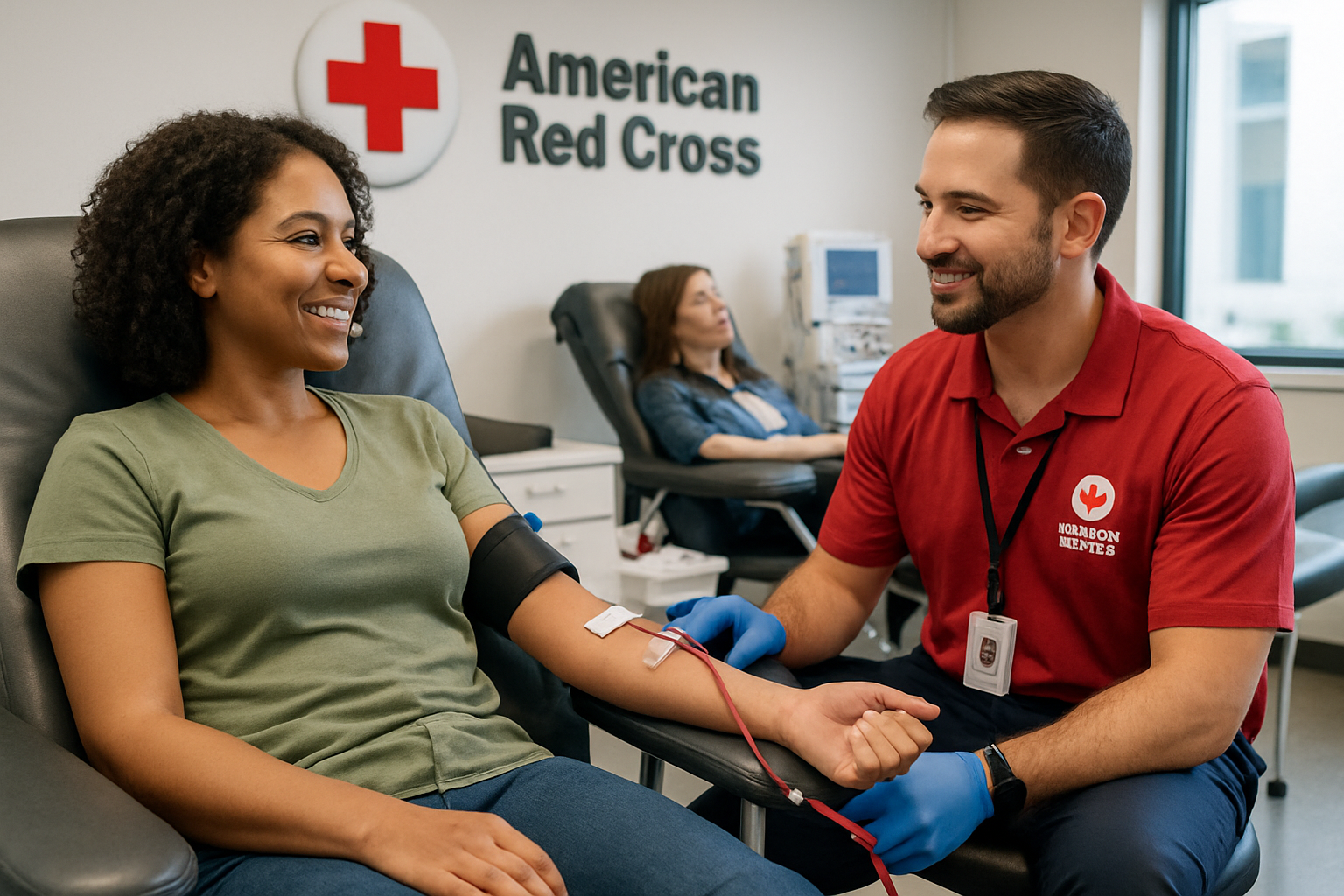
By focusing on preparedness and recovery, the American Red Cross plays a crucial role in building resilient communities and saving lives during emergencies.
Key Programs
The American Red Cross offers several key programs designed to support individuals during emergencies. One of their most vital initiatives is the Disaster Relief Services, which provides immediate assistance to those affected by disasters. This includes shelter, food, and medical care, ensuring that individuals receive the help they need when it matters most.
Another significant program is the Home Fire Campaign, which aims to reduce fire-related deaths and injuries. The campaign provides free smoke alarms and safety education to communities at risk. Additionally, the Red Cross offers Health and Safety Training, teaching essential skills like CPR and first aid to empower individuals to respond effectively in emergencies.
Through these impactful programs, the American Red Cross demonstrates its commitment to helping people in their time of need.
6. St. Jude Children’s Research Hospital
Mission and Impact
St. Jude Children’s Research Hospital is dedicated to treating and curing pediatric catastrophic diseases, primarily cancer. Their mission is to ensure that no child is denied treatment based on race, religion, or a family’s ability to pay. This commitment to providing world-class care has made St. Jude a leader in pediatric research and treatment.
The impact of St. Jude is profound, as they have contributed significantly to increasing survival rates for children with cancer. Their innovative research leads to groundbreaking treatments and therapies that benefit patients worldwide. Families can stay at St. Jude without worrying about medical bills, allowing them to focus on their child’s recovery.
By prioritizing both treatment and research, St. Jude Children’s Research Hospital plays a critical role in advancing pediatric medicine and improving the lives of countless children and their families.
Key Programs
St. Jude Children’s Research Hospital implements several key programs that significantly enhance their mission. One of the most notable is the Clinical Research Program, which conducts groundbreaking studies to develop new treatments for pediatric diseases. This program not only helps current patients but also sets the stage for future advancements in medical care.
Another essential initiative is the Family-Centered Care Program. This program provides comprehensive support services, including counseling and educational resources, to families navigating their child’s illness. Additionally, St. Jude offers a Patient Navigation Program, which assists families in understanding treatment options and coordinating care.
Through these vital programs, St. Jude Children’s Research Hospital remains committed to improving outcomes for children with serious illnesses.
7. Habitat for Humanity
Mission and Impact
Habitat for Humanity is dedicated to eliminating poverty housing and homelessness. Their mission is to provide affordable housing solutions for families in need, enabling them to build and own safe, decent homes. By partnering with local communities, Habitat for Humanity empowers families to achieve stability and self-sufficiency.
The impact of Habitat for Humanity is substantial, as they have helped millions of people secure a place to call home. Their approach combines volunteer labor with donations of money and materials to construct homes. Families contribute sweat equity by helping build their houses, fostering a sense of ownership and pride.

By focusing on affordable housing, Habitat for Humanity plays a crucial role in transforming lives and strengthening communities, ensuring that everyone has access to a safe and stable home.
Key Programs
Habitat for Humanity runs several key programs that support their mission of providing affordable housing. One of the most impactful is the Homeownership Program, which helps families purchase homes through affordable mortgages and financial education. This program empowers families to build equity and achieve long-term stability.
Another essential initiative is the Repair Program, which assists low-income homeowners in maintaining and repairing their houses. This ensures that families can live safely and comfortably in their homes. Additionally, Habitat for Humanity offers Global Village Trips, where volunteers travel to assist in building homes in underserved communities around the world.
Through these programs, Habitat for Humanity continues to make a difference in the lives of families, helping them secure safe and decent housing.
8. Boys & Girls Clubs of America
Mission and Impact
The Boys & Girls Clubs of America (BGCA) is committed to helping young people reach their full potential. Their mission focuses on providing a safe and supportive environment for children and teens, fostering their personal and academic development. BGCA emphasizes the importance of youth engagement in positive activities.
The impact of BGCA is significant, as they serve millions of young people across the United States. They offer various programs, including after-school tutoring, leadership training, and sports activities. By focusing on education, health, and character development, the Boys & Girls Clubs empower youth to become responsible citizens and leaders in their communities.
Through their dedicated efforts, BGCA plays a vital role in shaping the futures of countless young individuals, ensuring they have the tools and support to succeed.
Key Programs
The Boys & Girls Clubs of America (BGCA) offers several key programs that contribute to the development of youth. One of their flagship initiatives is the Smart Moves Program, which educates children about making healthy choices and resisting peer pressure. This program empowers young people with essential life skills.
Another important offering is the Youth of the Year Program, which recognizes outstanding teens who demonstrate leadership and service. This initiative not only honors these individuals but also provides them with scholarships and opportunities for personal growth. Additionally, BGCA runs various sports leagues and arts programs that promote teamwork and creativity among members.
Through these impactful programs, the Boys & Girls Clubs of America continue to support and inspire youth across the nation.
9. World Wildlife Fund (WWF)
Mission and Impact
The World Wildlife Fund (WWF) is dedicated to conserving the world’s biological diversity and ensuring sustainable use of natural resources. Their mission focuses on protecting endangered species and their habitats while addressing global challenges such as climate change and deforestation.
The impact of WWF is significant, as they work in over 100 countries to promote conservation efforts. They engage in critical projects that protect wildlife, restore ecosystems, and advocate for sustainable practices. For example, WWF’s Wildlife Conservation Program aims to save iconic species like tigers and elephants from extinction through habitat protection and anti-poaching initiatives.

By focusing on both environmental and social issues, WWF plays a vital role in creating a sustainable future for our planet and its inhabitants.
Key Programs
The World Wildlife Fund (WWF) implements several key programs to advance its mission of conservation. One notable initiative is the Global Conservation Program, which focuses on protecting critical habitats and endangered species worldwide. This program involves research, advocacy, and community engagement to ensure effective conservation strategies.
Another significant program is the Sustainable Agriculture Initiative, which promotes practices that balance food production with environmental protection. By working with farmers and businesses, WWF encourages sustainable practices that benefit both wildlife and communities. Additionally, their Climate Program addresses the impacts of climate change on ecosystems, advocating for policies that reduce carbon emissions and promote renewable energy.
Through these essential programs, WWF continues to make a meaningful impact on global conservation efforts.
10. ASPCA (American Society for the Prevention of Cruelty to Animals)
Mission and Impact
The ASPCA is dedicated to preventing cruelty to animals and promoting their welfare. Their mission focuses on rescuing animals from abuse, providing shelter, and advocating for better treatment and protection of animals across the United States. The ASPCA works tirelessly to ensure that all animals receive the care and respect they deserve.
The impact of the ASPCA is profound, as they rescue thousands of animals each year from neglect and cruelty. Their Animal Rescue Program responds to emergencies and rescues animals in distress. They also operate a National Shelter Outreach program that provides resources and support to local shelters, helping them improve their services.
By focusing on education, advocacy, and direct rescue efforts, the ASPCA plays a vital role in advancing animal welfare and ensuring that every animal has the opportunity for a safe and loving home.
Key Programs
The ASPCA offers several key programs that enhance its mission of preventing cruelty to animals. One of their primary initiatives is the Animal Rescue Team, which responds to emergencies and rescues animals from abusive situations. This team works tirelessly to provide immediate care and rehabilitation for rescued animals.
Another significant program is the Spay/Neuter Initiative, aimed at reducing pet overpopulation. By providing low-cost or free spay/neuter services, the ASPCA helps prevent unwanted litters and promotes responsible pet ownership. Additionally, their Community Outreach Program focuses on educating the public about animal welfare and providing resources to pet owners in need.
Through these impactful programs, the ASPCA continues to make a difference in the lives of animals and advocates for their rights and well-being.
How These Nonprofits Inspire Change
Nonprofits like those mentioned above inspire change by actively engaging with communities and addressing pressing social issues. They create a ripple effect of positive impact through their programs, initiatives, and the stories of individuals they help. By sharing these stories, nonprofits can motivate others to join the cause and contribute to their missions.
These organizations not only provide services but also empower individuals to take action, fostering a sense of community and collaboration. Through their efforts, they inspire hope and resilience, proving that collective action can lead to significant change.
Community Stories and Testimonials
Community stories and testimonials play a crucial role in illustrating the impact of nonprofits. When individuals share their experiences, it humanizes the mission and highlights the real-world effects of the organization’s work. For instance, a family who received housing assistance from Habitat for Humanity may share how having a stable home transformed their lives.
Such stories resonate with potential donors and volunteers, encouraging them to support the cause. They serve as powerful reminders of the difference that nonprofits make in people’s lives, inspiring others to get involved. As one volunteer stated, “Seeing the joy on a child’s face when they receive help is what motivates me to continue supporting this organization.”
The Role of Donors and Supporters
Donors and supporters are vital to the success of nonprofits. Their contributions provide essential funding that allows organizations to carry out their missions effectively. Whether it’s financial support, volunteering time, or spreading awareness, every effort counts.
For example, Feeding America relies on donations to purchase food and distribute it to food banks across the nation. Similarly, the ASPCA depends on supporters to fund rescue operations and educational programs. By engaging donors and supporters, nonprofits can expand their reach and enhance their impact.
Ultimately, the collaboration between nonprofits and their supporters creates a powerful force for change, demonstrating that together, they can tackle even the most challenging issues facing society.
Conclusion: The Impact of the Largest Nonprofit in US
The largest nonprofit in the US plays a crucial role in addressing various social issues and inspiring change within communities. Through their dedicated missions, innovative programs, and unwavering commitment to service, these organizations have transformed countless lives. They highlight the importance of collective action and demonstrate how focused efforts can lead to significant improvements in society.
By showcasing the incredible work of nonprofits like United Way, Feeding America, and St. Jude Children’s Research Hospital, we gain insight into the profound impact they have on individuals and communities. Their stories remind us of the power of compassion and collaboration, encouraging us all to contribute to meaningful causes.

Call to Action for Supporting Nonprofits
Supporting nonprofits is essential for fostering positive change in our communities. There are many ways to get involved, whether through financial contributions, volunteering time, or spreading awareness about their missions. Every action counts, no matter how small.
Consider donating to your favorite nonprofit or volunteering your skills to help with their initiatives. You can also share their stories on social media to raise awareness and inspire others to join the cause. Together, we can amplify the impact of these organizations and help them continue their vital work.
Join the movement to support nonprofits and make a difference in the lives of those in need. Your involvement can create lasting change and inspire hope for a brighter future.
FAQ
What is the biggest non-profit in the USA?
The biggest nonprofit in the USA is United Way Worldwide. This organization is dedicated to improving lives by mobilizing the caring power of communities. They focus on education, income stability, and health, making a significant impact across the nation. United Way’s extensive network and community-driven approach allow them to address various social issues effectively.
What is the richest charity?
The richest charity is often considered to be the Bill & Melinda Gates Foundation. With an endowment of over $50 billion, this foundation focuses on global health, poverty alleviation, and education. Their substantial financial resources enable them to fund large-scale initiatives that have a transformative impact worldwide.
How much does a CEO of a non-profit get paid?
The salary of a CEO of a nonprofit can vary widely depending on the organization’s size, location, and budget. On average, nonprofit CEOs earn between $100,000 and $300,000 annually. However, some larger organizations may pay their executives significantly more. For instance, the CEO of the American Red Cross has been reported to earn a salary in the mid-six figures, reflecting the organization’s scale and complexity.
What is the difference between a non-profit and a 501(c)(3)?
A nonprofit is a broad term that refers to any organization that operates for purposes other than making a profit. A 501(c)(3) is a specific type of nonprofit recognized by the IRS as tax-exempt. This designation allows donors to make tax-deductible contributions, which can incentivize giving. While all 501(c)(3) organizations are nonprofits, not all nonprofits qualify for 501(c)(3) status. Other types of nonprofits may focus on advocacy, social welfare, or labor, and they may not have the same tax benefits.
By understanding these distinctions and facts about the largest nonprofits, readers can better appreciate the important work these organizations do and how they fit into the broader landscape of charitable giving.