

Non profit organizations often face challenges in achieving their missions, especially with limited resources. By teaming up with others, they can amplify their efforts and make a bigger difference. Non profit collaborations bring together diverse skills and resources, creating powerful partnerships that benefit communities. This blog post dives into the world of non profit collaborations, showcasing how these alliances can drive meaningful impact.
- Discover what non profit collaborations are and their significance.
- Explore real-world examples of successful partnerships.
- Understand how these collaborations can enhance community support and visibility.
What Are Non Profit Collaborations?
Non profit collaborations refer to partnerships formed between two or more non profit organizations or between nonprofits and other sectors like businesses or government entities. These partnerships aim to pool resources, share knowledge, and work together toward common goals. By collaborating, organizations can tackle complex issues more effectively than they could alone.
These alliances can take various forms, including joint programs, shared fundraising efforts, or co-hosted events. The essence lies in leveraging each partner’s strengths to create a greater impact. For instance, a local animal shelter might partner with a veterinary clinic to provide better care for animals and increase adoption rates.
Definition of Non Profit Collaborations
The definition of non profit collaborations emphasizes cooperation between organizations to achieve shared objectives. This collaborative spirit allows non profits to address social issues more comprehensively. Instead of working in isolation, they join forces to maximize their reach and effectiveness.
Collaboration can manifest in many ways, such as co-developing services, sharing facilities, or engaging in joint marketing campaigns. Each partnership is unique and tailored to the specific needs and goals of the involved parties. Ultimately, the aim is to create synergies that benefit both organizations and the communities they serve.
Importance of Non Profit Collaborations
The importance of non profit collaborations cannot be overstated. These partnerships enhance resource efficiency, allowing organizations to do more with less. By combining their strengths, non profits can reach wider audiences, improve service delivery, and increase their overall impact.
Moreover, collaboration fosters innovation. When diverse minds come together, they generate new ideas and solutions. This collective approach can lead to more effective programs and initiatives. For example, a health organization might collaborate with a fitness center to promote wellness, leading to improved community health outcomes.
Additionally, strong collaborations can boost visibility and credibility. When organizations work together, they can leverage each other’s networks, attracting more donors and supporters. As industry expert Jane Smith states, “Collaboration is the key to unlocking greater potential in the non profit sector.”
Collaboration Example 1: Local Food Banks and Restaurants
Local food banks and restaurants often join forces to tackle food insecurity in their communities. This collaboration is a win-win situation: restaurants can reduce food waste while food banks can provide fresh meals to those in need. By working together, they ensure that surplus food reaches individuals who may not have access to nutritious options.
How They Work Together
Restaurants donate excess food to local food banks, which then distribute it to families facing hunger. This partnership helps restaurants save on disposal costs and allows them to contribute positively to their communities. Many establishments even host events where they prepare meals for food banks, engaging staff and customers in the process.
For instance, a popular pizza place might partner with a nearby food bank to create special meal kits. These kits are then distributed to families, providing them with ready-to-eat meals. Such collaborations highlight the power of community involvement and showcase how local businesses can make a significant difference.
Impact on the Community
The impact of non profit collaborations between food banks and restaurants is profound. These partnerships not only alleviate hunger but also foster a sense of community spirit. When local businesses step up to support food banks, they inspire others to do the same.
Additionally, this collaboration helps raise awareness about food insecurity, encouraging more people to get involved. According to a report by Feeding America, food banks that collaborate with restaurants can increase their food distribution by up to 30%.
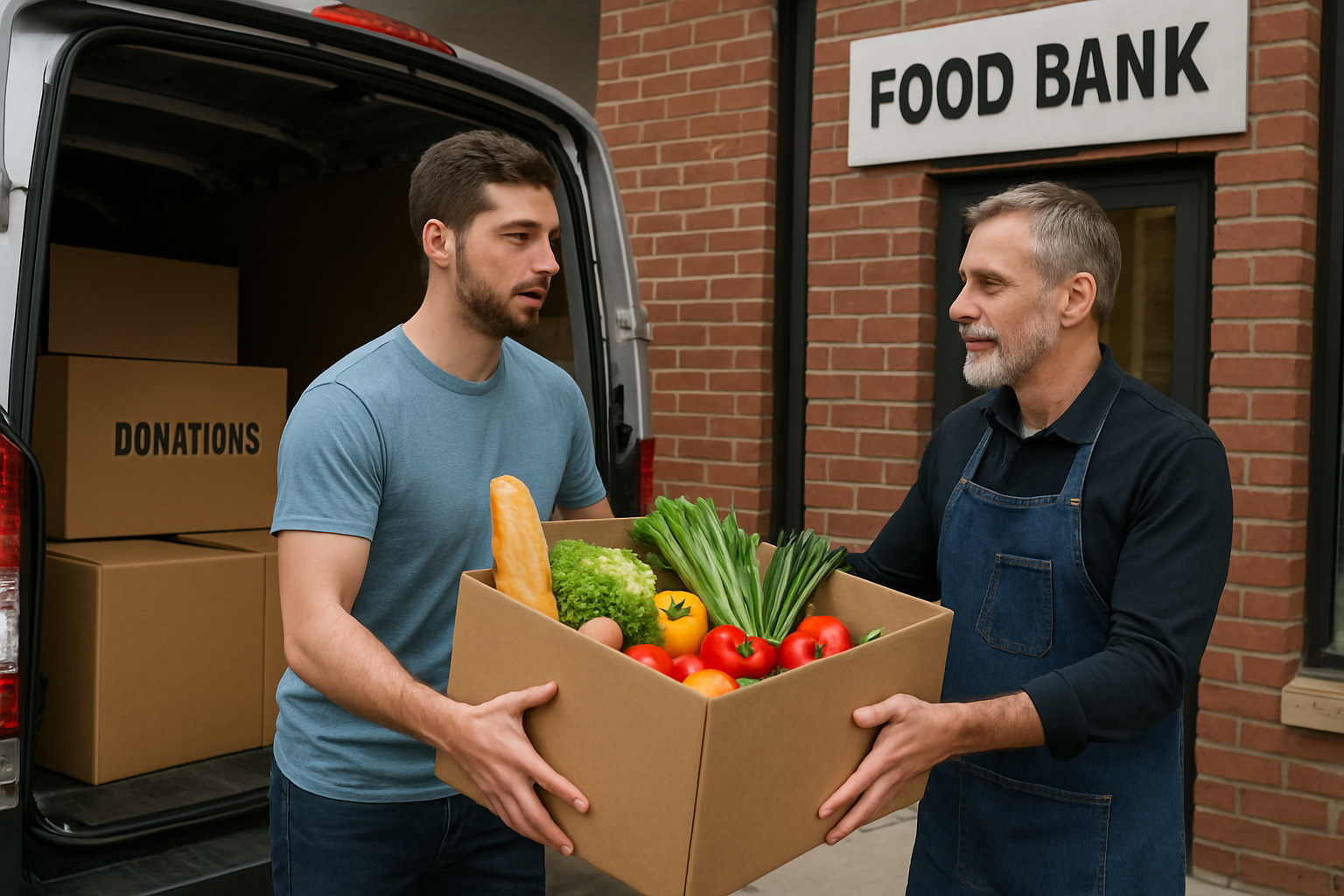
In summary, the alliance between food banks and restaurants creates a ripple effect, improving lives and strengthening communities.
Collaboration Example 2: Schools and Nonprofits
Schools and nonprofits often collaborate to enhance educational experiences and provide essential support services for students. These partnerships can take many forms, from after-school programs to mentorship initiatives. By working together, schools and nonprofits can address various challenges that students face, ensuring they have the resources they need to succeed.
Joint Programs for Student Support
Joint programs between schools and nonprofits focus on specific needs within the student population. For example, a nonprofit dedicated to literacy may partner with a local school to offer reading programs for struggling students. This collaboration enables the nonprofit to provide specialized resources and trained volunteers while the school can offer access to students who need help.
Another common collaboration involves mental health support. Nonprofits might provide counselors or workshops in schools to help students cope with stress and anxiety. These programs not only enhance students’ well-being but also create a supportive environment that fosters academic success.
Benefits for Students and Nonprofits
The benefits of non profit collaborations between schools and nonprofits are significant. For students, these partnerships provide access to additional resources, such as tutoring, counseling, and extracurricular activities. With increased support, students often show improved academic performance and overall well-being.
Nonprofits also gain from these collaborations. By partnering with schools, they can reach a larger audience and fulfill their mission more effectively. This exposure can lead to increased visibility and support from the community. As nonprofit leader John Doe states, “Collaborating with schools allows us to make a lasting impact on the lives of young people.”
In summary, when schools and nonprofits work together, they create a powerful support system that benefits students and strengthens the community.
Collaboration Example 3: Environmental Groups and Corporations
Environmental groups and corporations often partner to tackle sustainability challenges. These collaborations can lead to innovative solutions that benefit both the environment and businesses. By joining forces, they can leverage resources and expertise to create impactful projects that promote ecological health and responsible practices.
Projects for Sustainability
Projects for sustainability often focus on reducing waste, conserving resources, or promoting renewable energy. For instance, an environmental nonprofit might collaborate with a corporation to implement a recycling program in their facilities. This partnership not only helps the company reduce its carbon footprint but also encourages employees to adopt more sustainable practices.
Another example is a partnership between a conservation group and a corporation that manufactures eco-friendly products. Together, they might develop educational campaigns that raise awareness about environmental issues while promoting sustainable consumption. Such initiatives can engage the community and inspire individuals to take action for a healthier planet.

Results of Their Partnerships
The results of non profit collaborations between environmental groups and corporations can be significant. These partnerships often lead to measurable improvements in sustainability efforts, such as reduced waste and increased energy efficiency. For example, a collaboration might result in a corporation achieving a 20% reduction in greenhouse gas emissions over five years.
Additionally, these alliances can enhance corporate reputation. Companies that actively engage in sustainability initiatives often see increased customer loyalty and trust. According to a study by Nielsen, 66% of consumers are willing to pay more for sustainable brands. This demonstrates how effective collaborations can benefit both the environment and the bottom line.
In summary, the partnership between environmental groups and corporations creates a powerful force for positive change, driving sustainability efforts and fostering a greener future.
Collaboration Example 4: Health Organizations and Fitness Centers
Health organizations and fitness centers often collaborate to promote healthy lifestyles in their communities. These partnerships leverage the strengths of both sectors to provide comprehensive wellness programs. By joining forces, they can reach more individuals and encourage healthier habits that lead to improved overall well-being.
Promoting Healthy Lifestyles
Promoting healthy lifestyles is a primary goal of collaborations between health organizations and fitness centers. For example, a local health clinic might partner with a gym to offer free fitness classes and health screenings. This initiative not only encourages community members to engage in physical activity but also provides them with valuable health information.
Additionally, these partnerships can create awareness campaigns around nutrition and exercise. Health organizations may work with fitness centers to develop workshops that educate participants about balanced diets and effective workout routines. Such programs empower individuals to take charge of their health and make informed choices.
Community Health Improvements
The impact of non profit collaborations between health organizations and fitness centers can lead to significant community health improvements. By providing access to resources and support, these partnerships help reduce rates of obesity, diabetes, and other chronic illnesses.
For instance, a joint initiative might result in a community-wide fitness challenge, encouraging residents to adopt healthier lifestyles. As a result, participants often report increased energy levels, improved mental health, and enhanced social connections. According to a study published in the Journal of Public Health, communities with active wellness programs see a decrease in healthcare costs and an increase in life expectancy.
In summary, the collaboration between health organizations and fitness centers fosters a culture of wellness, leading to healthier communities and a better quality of life for all.
Collaboration Example 5: Animal Shelters and Veterinary Clinics
Animal shelters and veterinary clinics often collaborate to improve the welfare of animals in their communities. These partnerships are essential for providing necessary care and increasing adoption rates. By working together, they can ensure that animals receive the medical attention they need while also finding loving homes.
Providing Care and Adoption Services
Providing care and adoption services is a key focus of the collaboration between animal shelters and veterinary clinics. For instance, a local shelter might partner with a veterinary clinic to offer discounted spay and neuter services. This initiative helps control the pet population while making it more affordable for pet owners.
Additionally, veterinary clinics may host adoption events in partnership with shelters. These events allow potential adopters to meet animals in need of homes while receiving valuable information about pet care. By combining resources, both organizations can effectively promote responsible pet ownership and increase adoption success rates.

Positive Outcomes for Animals
The positive outcomes of non profit collaborations between animal shelters and veterinary clinics are significant. These partnerships lead to improved health and welfare for animals, as they receive timely medical care and support. For example, animals that undergo regular check-ups and vaccinations have a higher chance of being adopted and thriving in their new homes.
Moreover, these collaborations can enhance community awareness about animal welfare issues. When shelters and clinics work together, they can educate the public on topics such as responsible pet ownership and the importance of adopting rather than buying pets. As a result, communities become more engaged in animal welfare, leading to better outcomes for animals in need.
In summary, the alliance between animal shelters and veterinary clinics creates a supportive network that benefits both animals and the community, ultimately leading to healthier and happier pets.
Collaboration Example 6: Arts Organizations and Local Businesses
Arts organizations and local businesses often collaborate to enrich cultural experiences in their communities. These partnerships bring together creative talents and commercial resources, leading to vibrant cultural events that engage residents and attract visitors. By joining forces, they can create a thriving arts scene that benefits everyone involved.
Supporting Cultural Events
Supporting cultural events is a primary focus of collaborations between arts organizations and local businesses. For example, a local theater might partner with nearby restaurants to offer dinner-and-show packages. This collaboration not only boosts ticket sales for the theater but also drives customers to the restaurants, creating a win-win situation.
Additionally, local businesses often sponsor art festivals, exhibitions, or performances. By providing funding or in-kind support, they help arts organizations cover costs while gaining exposure for their brand. Such partnerships foster a sense of community pride and encourage more people to participate in cultural activities.
Economic and Social Benefits
The economic and social benefits of non profit collaborations between arts organizations and local businesses are substantial. These partnerships can stimulate local economies by attracting tourists and increasing foot traffic. According to a report from the National Endowment for the Arts, every dollar invested in the arts generates about $4 in economic activity.
Moreover, these collaborations enhance social cohesion within communities. Cultural events foster connections among residents, creating a sense of belonging and shared identity. As local artist Jane Doe notes, “When businesses support the arts, they invest in the heart of the community.”
In summary, the collaboration between arts organizations and local businesses creates a dynamic cultural landscape, driving economic growth and enriching the social fabric of the community.
Collaboration Example 7: International NGOs and Local Communities
International NGOs and local communities often collaborate to address pressing social issues and empower grassroots initiatives. These partnerships leverage the expertise of NGOs while respecting the knowledge and culture of local communities. By working together, they can create sustainable solutions that lead to meaningful change.
Empowering Grassroots Initiatives
Empowering grassroots initiatives is a central theme in the collaboration between international NGOs and local communities. For instance, an NGO focused on education may partner with local leaders to develop programs tailored to the specific needs of the community. This approach ensures that initiatives are culturally relevant and more likely to succeed.
Additionally, NGOs often provide training and resources to local groups, enabling them to take charge of their development. For example, a health NGO might work with community members to establish health clinics, empowering locals to manage their healthcare needs. Such collaborations foster ownership and build capacity within the community.

Long-Term Impact on Development
The long-term impact of non profit collaborations between international NGOs and local communities can be transformative. When local voices are included in decision-making processes, projects tend to be more effective and sustainable. Over time, these partnerships can lead to significant improvements in areas such as education, health, and economic development.
Moreover, successful collaborations often inspire other communities to take similar actions, creating a ripple effect of positive change. According to a study by the World Bank, communities that engage with NGOs experience higher levels of social capital and resilience.
In summary, the alliance between international NGOs and local communities fosters empowerment and sustainable development, resulting in lasting benefits for individuals and society as a whole.
Conclusion: The Future of Non Profit Collaborations
As the landscape of social issues evolves, so too does the need for effective non profit collaborations. The future of these partnerships will likely be shaped by advancements in technology, changing community needs, and a growing emphasis on sustainability. Organizations that adapt and innovate in their collaborative efforts will be better positioned to make a lasting impact.
Trends to Watch in Non Profit Collaborations
Several trends are emerging in the realm of non profit collaborations. First, the integration of technology is becoming essential. Nonprofits are increasingly using digital platforms to connect with partners, streamline operations, and enhance communication. This shift allows for more efficient collaboration and broader outreach.
Additionally, there is a growing focus on diversity and inclusion within partnerships. Organizations are recognizing the importance of diverse perspectives in driving innovation and addressing complex issues. Collaborations that prioritize inclusivity will likely yield more comprehensive and effective solutions.
Finally, sustainability is gaining traction as a central theme in collaborations. Nonprofits and businesses alike are seeking ways to incorporate environmentally friendly practices into their initiatives, ensuring that their impact lasts for generations to come.
Final Thoughts on Driving Impact
In conclusion, the potential of non profit collaborations to drive meaningful impact is immense. By working together, organizations can pool resources, share expertise, and address pressing social challenges more effectively. As they navigate the future, embracing technology, diversity, and sustainability will be key to fostering successful partnerships.
Ultimately, the success of these collaborations depends on the commitment of all parties involved to create positive change. When nonprofits, businesses, and communities unite, they can transform lives and build a brighter future for everyone.
Frequently Asked Questions
What is an example of a nonprofit collaboration?
An example of a nonprofit collaboration can be seen when local food banks partner with restaurants to address food insecurity. In this partnership, restaurants donate surplus food to food banks, which then distribute it to families in need. This collaboration not only helps reduce food waste but also ensures that nutritious meals reach those who may not have access to them.
What is the 33% rule for nonprofits?
The 33% rule for nonprofits suggests that no more than one-third of a nonprofit’s total revenue should come from a single source. This guideline encourages organizations to diversify their funding streams, reducing reliance on any one donor or grant. By following this rule, nonprofits can enhance their financial stability and sustainability, allowing them to focus on their missions more effectively.
What is the 5% rule for nonprofits?
The 5% rule for nonprofits typically refers to the recommendation that organizations should allocate at least 5% of their annual budget to unrestricted funding. Unrestricted funds provide nonprofits with the flexibility to address emerging needs or unexpected challenges. This approach allows organizations to adapt and respond effectively while pursuing their goals.
How to partner with nonprofit organizations?
Partnering with nonprofit organizations involves several key steps. First, identify potential partners whose missions align with your goals. Research their work and reach out to discuss mutual interests. Building relationships is crucial, so consider attending events or networking opportunities within the nonprofit sector.
Once you’ve established a connection, propose specific collaboration ideas that benefit both parties. Whether it’s through joint programs, fundraising efforts, or community events, clear communication and shared objectives are essential for a successful partnership. For more tips on growing a nonprofit organization, check out our guide on how to grow a nonprofit organization.
By following these steps, you can create impactful partnerships that drive change and enhance community support.