

Annual reports are more than just a summary of a nonprofit’s activities; they are powerful tools that can engage supporters and attract new donors. Many nonprofits struggle to present their impact in a compelling way, which can lead to missed opportunities for connection and funding. By choosing the right annual report themes nonprofit, organizations can effectively showcase their achievements and inspire action among their audience.
- Discover the significance of annual reports for nonprofits.
- Learn how specific themes can enhance engagement.
- Explore 12 inspiring themes to elevate your next report.
- Get tips on selecting the right theme for your organization.
Understanding the Importance of Annual Report Themes Nonprofit
Annual reports play a crucial role in communicating a nonprofit’s mission and accomplishments to stakeholders. They provide transparency about how funds are utilized and demonstrate the impact of donations. A well-crafted report not only highlights successes but also builds trust with supporters.
Choosing the right annual report themes nonprofit is essential because it sets the tone for how the information is presented. Themes help unify the content, making it easier for readers to digest and remember key messages. By focusing on engaging themes, nonprofits can create reports that resonate emotionally, encouraging further support and involvement.
Why Annual Reports Matter
Annual reports serve as a vital communication tool for nonprofits. They summarize achievements, financial health, and future goals, providing a clear picture of the organization’s impact. These reports help build credibility and trust, essential elements for maintaining donor relationships. When supporters see how their contributions have made a difference, they’re more likely to continue their support.
Moreover, annual reports can attract new donors. A well-designed report can showcase the organization’s mission and values, drawing in individuals who share similar interests. According to a study by the Nonprofit Finance Fund, organizations that regularly share their outcomes are more likely to receive additional funding. Thus, investing time in creating an engaging report is not just beneficial—it’s necessary for long-term sustainability.
How Themes Influence Engagement
Themes play a significant role in how well an annual report engages its audience. A focused theme can help convey complex information in a more relatable way. For instance, using storytelling as a theme allows nonprofits to share personal stories from beneficiaries, making the data more impactful. This emotional connection can motivate readers to take action, whether it’s donating or volunteering.
Additionally, a consistent theme enhances visual appeal, making the report easier to navigate. Incorporating infographics, charts, and images aligned with the chosen theme can break up text and keep readers interested. Research shows that visuals can increase retention rates by up to 65%. By carefully selecting annual report themes nonprofit, organizations can significantly boost engagement and inspire their audience to become advocates for their cause.
12 Inspiring Annual Report Themes Nonprofit
Choosing the right theme for an annual report can transform it from a simple document into a compelling narrative that captures the essence of a nonprofit’s work. Here are twelve inspiring themes that nonprofits can use to engage their audience and effectively communicate their impact. Each theme is designed to resonate with supporters and encourage them to continue their involvement.
1. Storytelling Through Impact
Storytelling is one of the most powerful tools a nonprofit can use in its annual report. This theme focuses on sharing real-life experiences that highlight the organization’s impact. By weaving together narratives of those who have benefited from the nonprofit’s work, the report becomes more than just statistics; it becomes a collection of heartfelt stories that resonate with readers.
Highlighting Success Stories
An effective way to implement storytelling is by featuring success stories prominently throughout the report. These stories can include testimonials from beneficiaries, showcasing how the nonprofit has made a difference in their lives. For instance, a nonprofit focused on education might share a story about a student who overcame obstacles to achieve academic success with the organization’s support.

By using quotes and personal anecdotes, nonprofits can create an emotional connection with readers. This strategy not only highlights achievements but also encourages donors to see the tangible results of their contributions. As author and philanthropist Dan Pallotta said, “The world is not changed by people who sort of care. It’s changed by people who care enough.” Emphasizing these success stories in annual reports can inspire continued support and engagement.
Using Quotes from Beneficiaries
Incorporating quotes from beneficiaries can significantly enhance the storytelling theme in an annual report. These personal testimonials provide authentic voices that illustrate the impact of the nonprofit’s work. For example, a quote from a family who received assistance can humanize the data and make it relatable to readers. It allows supporters to hear firsthand how their contributions have changed lives.
Quotes can also serve as powerful endorsements, showcasing the effectiveness of programs. When potential donors see real stories and experiences, it builds trust and credibility. As noted by nonprofit expert Vu Le, “Stories are the best way to connect with people.” Therefore, including heartfelt quotes in annual reports can deepen emotional engagement and foster a stronger connection to the cause.
2. Visual Journey of Progress
Visual elements are essential in creating an engaging annual report. A “Visual Journey of Progress” theme focuses on using graphics to tell the story of the nonprofit’s achievements over the year. This approach makes complex information more digestible and appealing to readers.
Infographics and Charts
Infographics and charts are effective tools for illustrating key data points and milestones. They can visually represent growth, such as the number of people served or funds raised, making it easier for readers to grasp the organization’s impact at a glance. For instance, a pie chart showing the distribution of funds can highlight transparency in financial management.
According to a study by the Social Science Research Network, visuals can improve comprehension by up to 80%. By integrating infographics and charts into the annual report, nonprofits can create a dynamic narrative that captures attention and communicates progress effectively.
Before and After Comparisons
Before and after comparisons are a compelling way to showcase the impact of a nonprofit’s work. This visual strategy allows readers to see tangible changes resulting from the organization’s efforts. For example, a nonprofit focused on housing might present images of a community before renovations and after, illustrating the transformation made possible by donor support.
This technique not only highlights achievements but also evokes an emotional response from the audience. By showing the difference made through specific initiatives, nonprofits can effectively communicate the value of their work. As the saying goes, “A picture is worth a thousand words,” and these comparisons can powerfully convey the success of programs in a way that statistics alone cannot.

3. Community-Centric Focus
Focusing on community is essential for many nonprofits, and this theme emphasizes the importance of local partnerships and collaborations. A community-centric approach highlights how the organization works alongside local groups to achieve shared goals. This not only strengthens community ties but also fosters a sense of collective responsibility.
Featuring Local Partnerships
Featuring local partnerships in the annual report can enhance credibility and showcase collaborative efforts. By highlighting stories of successful partnerships, nonprofits can illustrate how working together amplifies impact. For instance, a nonprofit that collaborates with schools, businesses, and other organizations can demonstrate a united front in addressing community challenges.
These partnerships can be showcased through case studies or joint projects that have made a difference. By emphasizing these relationships, nonprofits can attract new supporters who want to be part of a community-focused mission. Engaging with local partners also reflects a commitment to grassroots efforts, further enhancing the organization’s reputation within the community.
Showcasing Community Events
Showcasing community events in an annual report is an excellent way to highlight the nonprofit’s engagement with its audience. These events can include fundraisers, awareness campaigns, or volunteer days that bring people together for a common cause. By featuring vibrant images and stories from these gatherings, the report can illustrate the organization’s active role within the community.
Including testimonials from participants can further enhance this section. When community members share their experiences, it adds authenticity and encourages others to get involved. As local resident Sarah Johnson said during a recent fundraising event, “It’s inspiring to see so many people come together for a shared purpose.” This kind of engagement not only strengthens community bonds but also showcases the nonprofit’s commitment to creating positive change.
4. Sustainability and Environmental Impact
Sustainability is a significant theme for many nonprofits today, especially those focused on environmental issues. Highlighting sustainability and environmental impact in an annual report demonstrates the organization’s commitment to responsible practices. This theme can resonate well with supporters who prioritize eco-friendly initiatives and social responsibility.
Green Initiatives
Green initiatives are vital for showcasing how a nonprofit contributes to environmental conservation. This can include efforts such as reducing waste, promoting renewable energy, or participating in community clean-up events. For example, a nonprofit dedicated to wildlife preservation might detail its reforestation projects, illustrating how they help restore natural habitats.
By presenting these initiatives through engaging narratives and visuals, organizations can inspire action among supporters. According to the World Wildlife Fund, “Every small action counts towards a larger goal.” By emphasizing green initiatives in annual reports, nonprofits can foster a deeper connection with environmentally conscious donors and volunteers, encouraging them to support sustainable practices.
Carbon Footprint Reduction Efforts
Highlighting carbon footprint reduction efforts in an annual report is essential for nonprofits committed to sustainability. This theme showcases how organizations are actively working to lessen their environmental impact. By detailing specific strategies, such as reducing energy consumption or utilizing eco-friendly materials, nonprofits can demonstrate their dedication to a greener future.
For instance, a nonprofit might share its transition to renewable energy sources or initiatives to reduce travel emissions. Presenting measurable outcomes, like the percentage decrease in carbon emissions over the year, can further illustrate success. As environmental advocate Greta Thunberg said, “I have learned that you are never too small to make a difference.” By emphasizing these efforts, nonprofits can inspire supporters to join in on the mission of sustainability.

5. Celebrating Volunteers
Volunteers are the backbone of many nonprofits, and celebrating their contributions is crucial in an annual report. This theme allows organizations to express gratitude and recognize the hard work of individuals who dedicate their time and skills to support the cause. Highlighting volunteers not only boosts morale but also encourages others to get involved.
Volunteer Spotlights
Including volunteer spotlights in the report can personalize the narrative and showcase the diverse talents within the organization. For example, a nonprofit could feature a volunteer who has gone above and beyond in their service, sharing their story and impact. This approach helps humanize the organization and fosters a sense of community among supporters.
By sharing quotes and experiences from volunteers, the report can illustrate the real difference they make. As one volunteer stated, “Being part of this team has changed my life, and I’m proud to contribute to something bigger than myself.” Celebrating volunteers in this way can motivate others to join the cause and strengthen the nonprofit’s community engagement.
Testimonials from Volunteers
Incorporating testimonials from volunteers in an annual report adds a personal touch that can resonate with readers. These firsthand accounts provide insight into the volunteer experience and highlight the impact of their contributions. For instance, a volunteer might share how their involvement has not only benefited the nonprofit but also enriched their own life.
These testimonials can serve as powerful endorsements for potential donors, showcasing the organization’s positive environment and mission. When volunteers express their passion for the cause, it can inspire others to get involved. As one volunteer put it, “I never thought I could make such a difference, but this organization showed me how impactful my efforts can be.” By featuring these voices, nonprofits can foster a sense of community and encourage further engagement.
6. Financial Transparency
Financial transparency is crucial for building trust with donors and stakeholders. An annual report should clearly outline how funds are allocated and spent, demonstrating accountability and responsible management. This theme focuses on providing a detailed overview of the organization’s financial health, which can reassure supporters about their contributions.
Breakdown of Expenses
A breakdown of expenses is vital in showcasing financial transparency. This section can include charts or graphs that illustrate where funds are directed, such as program costs, administrative expenses, and fundraising efforts. For example, a pie chart could visually represent the percentage of the budget dedicated to different initiatives, making it easy for readers to understand.
By providing clear and concise financial information, nonprofits can enhance credibility and foster donor confidence. According to the Better Business Bureau, organizations that practice transparency are more likely to receive ongoing support. A well-structured financial breakdown not only informs but also strengthens the relationship between the nonprofit and its supporters.
Donor Acknowledgments
Acknowledging donors in an annual report is essential for building lasting relationships and expressing gratitude. This theme highlights the contributions of individuals, businesses, and foundations that support the nonprofit’s mission. By recognizing these supporters, organizations can show appreciation and encourage continued involvement.
Including a dedicated section for donor acknowledgments can take various forms, such as a list of major donors, personalized thank-you messages, or spotlight features on key contributors. For example, a nonprofit might share a story about a donor who has made a significant impact through their generosity. This not only honors the donor but also illustrates the real-world effects of their support, reinforcing the importance of community engagement.

7. Thematic Campaigns
Thematic campaigns can enhance an annual report by aligning the organization’s efforts with global events or awareness days. This approach allows nonprofits to connect their mission with broader movements, increasing relevance and engagement. By tying their work to well-known themes, organizations can attract attention and inspire action from supporters.
Aligning with Global Events
Aligning with global events, such as Earth Day or International Women’s Day, can provide a timely context for the nonprofit’s initiatives. For instance, a nonprofit focused on environmental conservation could launch a campaign around Earth Day, showcasing its efforts to protect natural resources. This not only elevates the organization’s visibility but also demonstrates its commitment to global issues.
Using visuals and narratives that reflect these themes can create a cohesive message throughout the report. By engaging with current events, nonprofits can resonate with their audience and encourage them to participate in campaigns. As noted by marketing expert Seth Godin, “People don’t buy goods and services. They buy relations, stories, and magic.” Thematic campaigns can weave these elements together, making the annual report more impactful and memorable.
Seasonal Themes for Reports
Incorporating seasonal themes into an annual report can create a fresh and engaging narrative. By aligning the report’s content with the time of year, nonprofits can tap into the emotions and sentiments associated with specific seasons. For instance, a report released during the winter holidays can emphasize themes of giving and community support, while a spring release might focus on renewal and growth.
Seasonal themes also allow for creative visuals and storytelling techniques that resonate with readers. Using imagery and language that reflect the season can enhance the overall presentation of the report. Additionally, it can make the information feel timely and relevant, encouraging readers to connect emotionally with the nonprofit’s mission and achievements throughout the year.
8. Digital Innovation
Digital innovation is transforming how nonprofits present their annual reports. This theme focuses on leveraging technology to enhance engagement and accessibility. By embracing digital formats, organizations can reach a wider audience and provide interactive experiences that traditional print reports cannot offer.
Use of Interactive Elements
Integrating interactive elements into an annual report can significantly boost reader engagement. Features like clickable charts, videos, or embedded social media feeds allow readers to explore content in a more dynamic way. For example, a nonprofit might include a video showcasing its programs or an interactive map highlighting project locations.
These elements can make the report more visually appealing and informative, encouraging readers to spend more time exploring the content. According to the Content Marketing Institute, interactive content generates twice as many conversions as static content. By incorporating interactive features, nonprofits can create a memorable and impactful annual report that captivates their audience and encourages deeper connections with their mission.
QR Codes for Additional Content
Integrating QR codes into an annual report is a modern way to enhance reader engagement. These codes can link to additional content, such as videos, interviews, or detailed project updates, providing a richer experience for readers. For instance, scanning a QR code could take a supporter directly to a short film showcasing the nonprofit’s impact or a gallery of photos from recent events.
This interactive feature encourages readers to explore beyond the printed page, making the report more dynamic and informative. As technology continues to evolve, incorporating QR codes can help nonprofits stay relevant and connected with their audience. This approach not only adds value to the report but also demonstrates the organization’s commitment to innovation.

9. Cultural Heritage and Diversity
Focusing on cultural heritage and diversity in an annual report allows nonprofits to celebrate the rich backgrounds of the communities they serve. This theme emphasizes inclusion and highlights the importance of understanding different perspectives. By sharing diverse stories, organizations can foster a sense of belonging among supporters and beneficiaries alike.
Highlighting Diverse Stories
Highlighting diverse stories is essential for showcasing the unique experiences of individuals within the nonprofit’s community. This can include narratives from beneficiaries representing various cultural backgrounds, illustrating how the organization’s work impacts them differently. For example, a nonprofit focused on education might share stories from students of different ethnicities, emphasizing how tailored programs meet their specific needs.
By presenting these diverse voices, nonprofits can create a more comprehensive picture of their impact. This approach not only enriches the narrative but also aligns with the values of equity and inclusion. As noted by diversity advocate Verna Myers, “Diversity is being invited to the party; inclusion is being asked to dance.” By celebrating cultural heritage, nonprofits can invite everyone to participate and engage with their mission.
Celebrating Cultural Events
Celebrating cultural events in an annual report is a fantastic way for nonprofits to honor the diverse backgrounds of their communities. By highlighting specific events, such as festivals, heritage months, or traditional celebrations, organizations can showcase their commitment to inclusivity and respect for various cultures. This approach not only enriches the narrative but also fosters a sense of belonging among supporters.
For instance, a nonprofit might feature stories about how it participated in local cultural festivals, showcasing its engagement with the community. Including photos and testimonials from these events can bring the report to life, making it more relatable and engaging. As community leader Maria Gonzalez said, “When we celebrate our differences, we strengthen our unity.” By recognizing cultural events, nonprofits can create a deeper connection with their audience and demonstrate their dedication to diversity.
10. Future Vision
A strong future vision is essential for any nonprofit, and this theme emphasizes the organization’s goals and aspirations for the coming year. By outlining specific objectives, nonprofits can provide clarity on their direction and inspire confidence among supporters. This section serves as a roadmap, showing how the organization plans to build on past successes and address upcoming challenges.
Goals for the Next Year
Setting clear goals for the next year is crucial for maintaining momentum and accountability. Nonprofits can outline their strategic priorities, such as expanding programs, increasing community outreach, or enhancing fundraising efforts. For example, a nonprofit focused on health might set a goal to increase access to services by 20% within the next year.
By presenting measurable goals, organizations can demonstrate their commitment to continuous improvement. This transparency encourages donors to invest in the mission, knowing their contributions will help achieve tangible outcomes. As nonprofit consultant John Smith stated, “A clear vision is the first step toward achieving great things.” By articulating their future vision, nonprofits can inspire support and foster a sense of shared purpose among their community.
Upcoming Projects and Initiatives
In an annual report, outlining upcoming projects and initiatives is vital for demonstrating a nonprofit’s forward-thinking approach. This section provides supporters with insight into what the organization plans to achieve in the near future. By sharing specific projects, nonprofits can generate excitement and anticipation among their audience.
For instance, a nonprofit focused on environmental conservation might announce plans to launch a new community garden project aimed at promoting sustainable practices. Highlighting these initiatives not only showcases the organization’s commitment to growth but also invites supporters to get involved. As the saying goes, “The best way to predict the future is to create it.” By detailing upcoming projects, nonprofits can inspire confidence and encourage donations that will help turn these plans into reality.

11. Testimonials and Endorsements
Including testimonials and endorsements in an annual report adds credibility and reinforces the impact of the nonprofit’s work. This theme allows organizations to showcase the voices of those who have experienced their programs firsthand. By featuring quotes from beneficiaries, partners, or community leaders, nonprofits can illustrate the real-world effects of their efforts.
Quotes from Key Stakeholders
Quotes from key stakeholders can significantly enhance the narrative of an annual report. For example, a local business owner who collaborates with the nonprofit might share their perspective on the positive changes in the community. These endorsements provide authentic validation of the organization’s mission and effectiveness.
Incorporating diverse voices ensures that the report reflects a wide range of experiences and perspectives. As community advocate Lisa Chen said, “This organization has transformed lives, and I’m proud to support their mission.” By including such testimonials, nonprofits can strengthen their relationship with current supporters and attract new ones, showcasing the collective impact of their work.
Success Metrics from Supporters
Including success metrics from supporters in an annual report can provide valuable insights into the effectiveness of a nonprofit’s initiatives. These metrics can highlight how donor contributions have translated into tangible outcomes, reinforcing the impact of their support. For instance, showcasing statistics such as the number of people served, funds raised, or projects completed can effectively demonstrate success.
By presenting these metrics clearly, nonprofits can build trust and transparency with their audience. For example, a nonprofit focused on education might report that 95% of students improved their grades after participating in their programs. This kind of data not only celebrates achievements but also encourages ongoing support from donors who want to see their contributions make a difference.
12. Collaborative Efforts
Highlighting collaborative efforts in an annual report showcases the importance of partnerships in achieving a nonprofit’s mission. This theme emphasizes how working with other organizations, businesses, and community groups can amplify impact and drive meaningful change. By sharing stories of collaboration, nonprofits can illustrate the power of teamwork in addressing complex social issues.
Partner Organization Highlights
Featuring partner organization highlights can provide a deeper understanding of the collective efforts made toward a common goal. For instance, a nonprofit focused on hunger relief might spotlight its collaboration with local farms, food banks, and community centers. This not only showcases the strength of partnerships but also emphasizes the interconnectedness of various initiatives.
Including testimonials or quotes from partner organizations can further enhance this section. As a representative from a collaborating agency stated, “Together, we can achieve more than we ever could alone.” By highlighting these collaborative efforts, nonprofits can inspire supporters to recognize the value of unity in making a positive impact within the community.
Joint Success Stories
Sharing joint success stories in an annual report emphasizes the power of collaboration and showcases the tangible outcomes achieved through partnerships. These narratives highlight specific projects where multiple organizations have come together to address community needs. By illustrating how combined efforts have led to significant changes, nonprofits can inspire confidence and encourage future collaborations.
For example, a nonprofit focused on youth development might share a story about a successful mentorship program created in partnership with local schools and businesses. This story could detail how mentors helped students improve their academic performance and gain essential life skills.

These joint success stories not only celebrate achievements but also reinforce the message that working together can lead to greater impact. As community leader James Thompson noted, “When we unite our resources and expertise, we can create lasting change.” By highlighting these collaborative victories, nonprofits can motivate supporters to engage in partnerships that further their mission and enhance community well-being.
Tips for Choosing the Right Annual Report Themes Nonprofit
Selecting the right theme for an annual report is essential for effectively communicating a nonprofit’s impact and engaging its audience. Here are some tips to help organizations choose themes that resonate with their supporters and align with their mission.
Know Your Audience
Understanding your audience is the first step in selecting an appropriate annual report theme. Different stakeholders, such as donors, volunteers, and community members, may have varying interests and motivations. By considering what resonates with each group, nonprofits can tailor their themes to capture attention and foster engagement.
For example, if the audience includes younger supporters, incorporating modern design elements or interactive features may be effective. Conversely, if the audience consists of long-term donors, focusing on success stories and financial transparency can build trust and strengthen relationships. Knowing your audience allows nonprofits to create reports that speak directly to their interests and values.
Align with Your Mission
Choosing a theme that aligns with the nonprofit’s mission is crucial for maintaining consistency and authenticity. The theme should reflect the core values and goals of the organization, reinforcing its purpose and commitment to making a difference. When the theme resonates with the mission, it creates a cohesive narrative that enhances the overall message of the report.
For instance, a nonprofit focused on environmental conservation might choose a theme centered around sustainability and green initiatives. This alignment not only strengthens the organization’s identity but also helps supporters understand how their contributions directly support the mission. By ensuring that the chosen theme reflects the nonprofit’s objectives, organizations can create impactful and meaningful annual reports that inspire action and support.
Keep It Simple and Engaging
When creating an annual report, simplicity and engagement should be at the forefront of the design and content. A clear and straightforward layout makes it easier for readers to navigate the report and absorb key information. Avoiding clutter and excessive jargon helps ensure that the message resonates with a wide audience.
Incorporating visuals, such as images and infographics, can enhance engagement by breaking up text and illustrating important points. For example, using charts to represent data can make complex information more digestible. Additionally, including compelling stories and testimonials can draw readers in and create an emotional connection to the nonprofit’s mission.
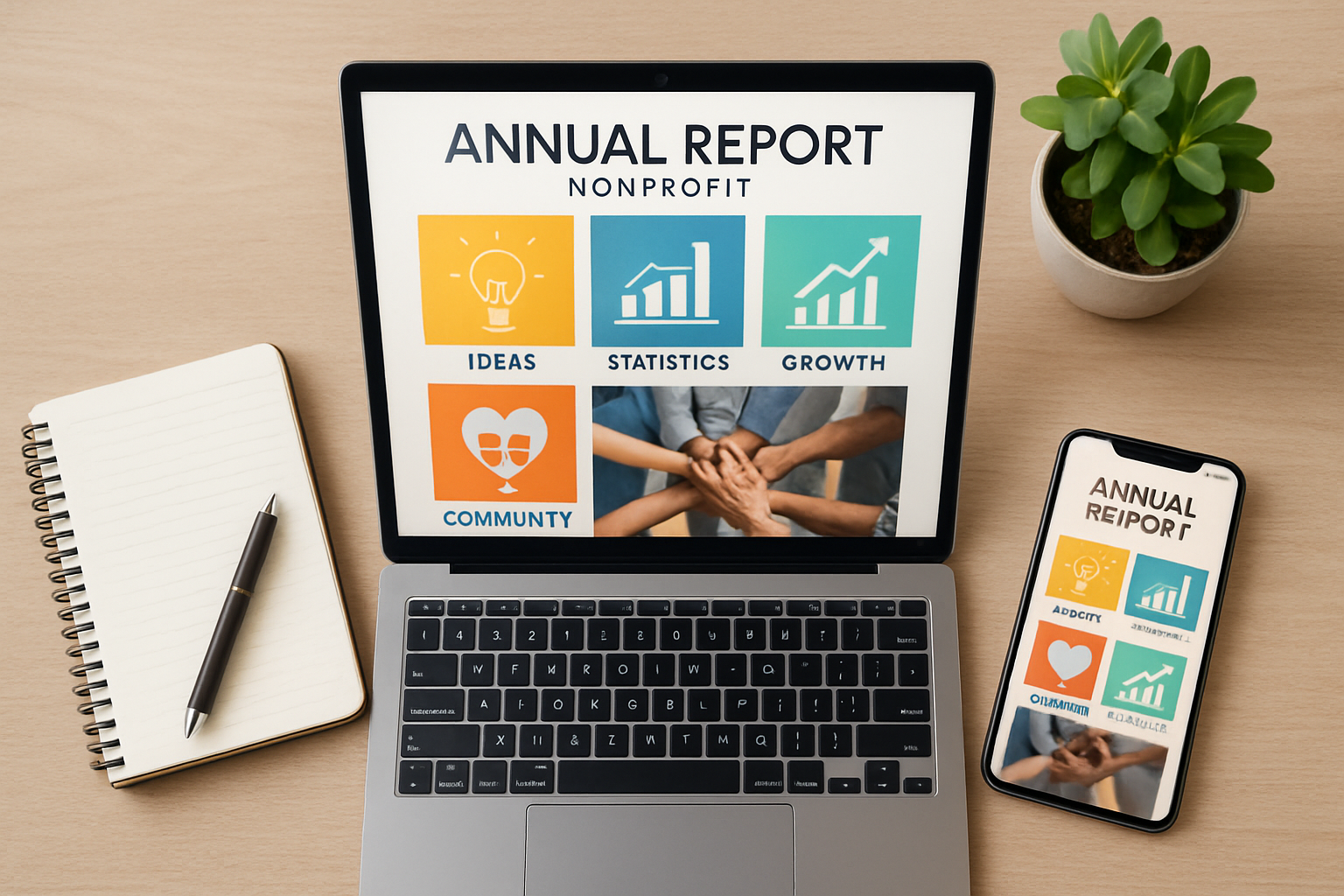
Ultimately, the goal is to communicate effectively while keeping the reader interested. By focusing on simplicity and engagement, nonprofits can create annual reports that not only inform but also inspire action and foster a deeper connection with their audience. A well-designed report encourages supporters to stay engaged and continue contributing to the organization’s mission.
Conclusion: Elevate Your Annual Report Themes Nonprofit
Creating an impactful annual report is essential for nonprofits to communicate their achievements and engage with supporters. By selecting the right themes, organizations can effectively showcase their work and inspire continued involvement. The themes discussed throughout this post provide a framework for crafting reports that resonate with diverse audiences.
Recap of Key Themes
To recap, key themes for annual reports include storytelling through impact, visual journeys, community-centric focuses, sustainability efforts, and cultural diversity. Each theme serves a unique purpose, whether it’s highlighting success stories or showcasing collaborative efforts. By incorporating these elements, nonprofits can create a compelling narrative that reflects their mission and values.
Encouragement to Get Creative
Nonprofits are encouraged to get creative when developing their annual report themes. Experimenting with different formats, visuals, and interactive elements can make the report more engaging and memorable. Remember, the goal is to connect with your audience and demonstrate the impact of their support. By thinking outside the box and embracing innovation, nonprofits can elevate their annual reports and inspire action within their communities.
Frequently Asked Questions (FAQ)
What are some effective themes for nonprofit annual reports?
Effective themes for nonprofit annual reports include storytelling through impact, visual journeys of progress, and community-centric focuses. These themes help highlight achievements and engage supporters. For more ideas, check out our post on 12 Inspiring Annual Report Themes for Nonprofits.
How can I make my annual report more engaging?
To make your annual report more engaging, consider incorporating visuals like infographics and charts to present data clearly. Additionally, using storytelling techniques, such as featuring success stories and testimonials from beneficiaries, can create emotional connections. Explore more about this approach in our article on the power of storytelling.
Why is financial transparency important in an annual report?
Financial transparency builds trust with donors and stakeholders. By providing a clear breakdown of expenses and acknowledging donor contributions, nonprofits demonstrate accountability. This not only reassures supporters but also encourages continued investment in the organization. For tips on financial management, visit our guide on communication tools for nonprofits.
How can I effectively showcase partnerships in my report?
Showcasing partnerships can be done by highlighting joint success stories and collaborative projects. Including quotes from partner organizations can reinforce the impact of these collaborations. For more insights on fostering partnerships, check out our blog on how to grow a nonprofit organization.
What role do cultural events play in an annual report?
Cultural events play a significant role by celebrating diversity and inclusion within the community. Highlighting participation in local festivals or heritage celebrations can strengthen community ties and show commitment to various cultural backgrounds. For more on this topic, read about personal storytelling in nonprofit communications.
How can I measure the success of my annual report?
Measuring the success of your annual report can be done by tracking engagement metrics, such as the number of downloads, feedback from readers, and increased donations following its release. Gathering testimonials from supporters can also provide qualitative data on the report’s impact. For further information, explore our insights on ethical storytelling.
By addressing these frequently asked questions, nonprofits can better understand how to craft effective annual reports that resonate with their audience and inspire continued support.